GLP-1 Option

from$99/mo
SemaglutideRx
GLP-1 Receptor Agonist
SemaglutideRx
GLP-1 Receptor Agonist
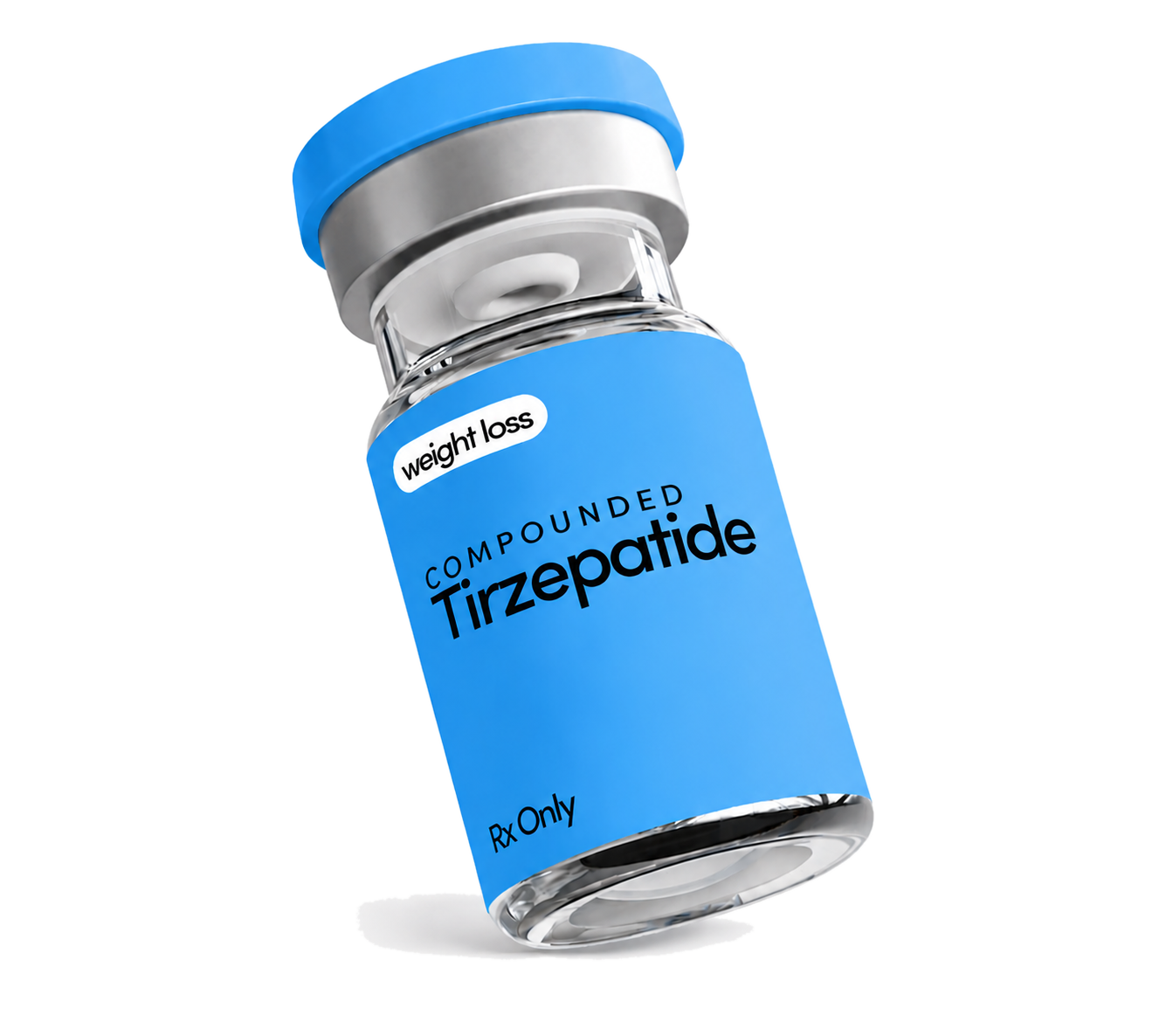
TirzepatideRx
Dual GLP-1 + GIP Receptor Agonist

Semaglutide ODT PillsRx
GLP-1 Receptor Agonist - Oral Dissolving Tablet
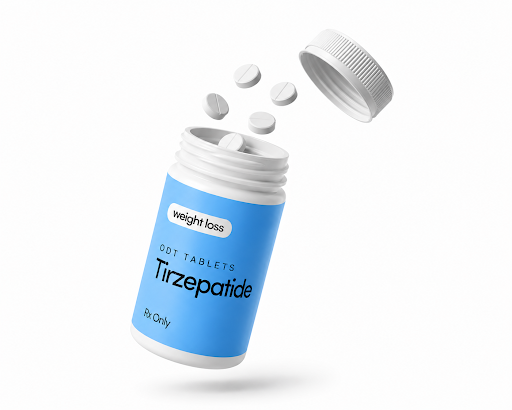
Tirzepatide ODT PillsRx
Dual GLP-1 + GIP Receptor Agonist - Oral Dissolving Tablet

Men's Complete Hair Growth PillRx
Minoxidil, Finasteride, Biotin

Men's Advanced Hair SprayRx
Minoxidil, Finasteride, Fluocinolone, Tretinoin

Women's Premium Hair SprayRx
Minoxidil, Tretinoin, Fluocinolone, Biotin, Melatonin

Women's Complete Hair Growth PillRx
Minoxidil, Vitamin E, Biotin
Written by Luma Meds Team
August 16, 2026 · 11 min read

If you're considering a GLP-1 medication for weight loss, one of the first numbers you may encounter is your BMI.
BMI is commonly used when healthcare providers evaluate whether someone may be eligible for prescription weight-management medications such as semaglutide or tirzepatide.
But BMI isn't the entire story.
Your medical history, current health conditions, medications, previous weight-loss efforts, and overall treatment goals can also be important.
Here's what BMI means and how it fits into GLP-1 eligibility.
BMI stands for Body Mass Index.
It's a calculation that compares your weight with your height.
The formula is:
You don't usually need to calculate this yourself, because BMI calculators can determine it from your height and weight.
For adults, BMI is generally categorized as:
| BMI | Category |
|---|---|
| Below 18.5 | Underweight |
| 18.5 – 24.9 | Healthy weight |
| 25.0 – 29.9 | Overweight |
| 30.0 – 34.9 | Class 1 obesity |
| 35.0 – 39.9 | Class 2 obesity |
| 40.0+ | Class 3 obesity |
BMI is widely used because it's quick, inexpensive, and easy to calculate.
For adults, commonly used eligibility criteria for prescription medications approved for chronic weight management include:
That means someone doesn't necessarily need to have a BMI above 30 to potentially qualify.
For example, an adult with a BMI of 28 may meet the weight-related criteria if they also have an appropriate health condition associated with excess weight.
Eligibility is not automatic
Eligibility is not automatic
Final eligibility still depends on the specific medication and an evaluation by a licensed healthcare provider.
Potentially, yes.
This is one of the most common areas of confusion.
A BMI between 25 and 29.9 falls within the overweight category.
For many chronic weight-management medications, someone with a BMI of at least 27 plus a qualifying weight-related condition may meet the weight-related criteria for treatment.
A healthcare provider still needs to evaluate the complete situation.
A BMI of 30 or greater falls within the obesity category for adults.
For medications with the common chronic weight-management criteria described above, a BMI of 30 or greater can meet the weight-related threshold without requiring an additional weight-related condition.
However:
A provider still needs to consider your health history, current medications, potential contraindications, treatment goals, and other relevant factors.
Here's a simple example.
Imagine someone is 5'5" and 180 pounds.
Their BMI would be approximately 30.0, which places them around the threshold for the obesity category.
Another person could weigh exactly 180 pounds but be considerably taller, giving them a lower BMI.
That's why weight alone isn't generally used to determine weight category. Height matters too.
Not directly.
BMI estimates weight relative to height.
It doesn't actually measure how much of someone's body is:
It also doesn't show where body fat is located.
For example, someone with substantial muscle mass may have a relatively high BMI even though they don't have a high percentage of body fat. On the other hand, someone can have a BMI within the healthy-weight range while still having metabolic risk factors that deserve attention.
BMI is therefore best viewed as a screening tool rather than a complete measurement of someone's health.
Despite its limitations, BMI remains useful. It's:
It gives healthcare providers a convenient starting point when evaluating weight-related health. But a thoughtful medical evaluation shouldn't stop at BMI.
A healthcare provider may consider several additional factors before prescribing a GLP-1 medication.
Not necessarily.
GLP-1 medications generally aren't dosed simply according to someone's body weight or BMI. Someone with a BMI of 40 doesn't automatically need twice as much medication as someone with a BMI of 30.
Medications such as semaglutide and tirzepatide typically follow established dose-escalation schedules. Patients usually begin at a lower dose and gradually increase based on the medication's dosing schedule, treatment response, tolerability, and provider guidance.
The goal of titration
The goal of titration
It isn't to reach the highest dose as quickly as possible. It's to find an effective and tolerable treatment approach.
This is another common question.
Imagine someone begins treatment with a BMI of 34 and eventually reaches a BMI of 27. That doesn't automatically mean the medication suddenly has to be stopped.
The patient's starting condition, treatment response, current health, and long-term weight-management plan all matter. Obesity is generally managed as a chronic condition, and maintaining lost weight can be an important part of treatment.
Research has also shown that stopping GLP-1 treatment can be followed by weight regain in some patients.
Whether treatment should continue, change, or stop should be determined with the prescribing healthcare provider rather than based on crossing a single BMI number.
For the commonly used adult chronic weight-management criteria, a BMI below 27 generally falls below the labeled BMI threshold for medications such as Wegovy or Zepbound when used for weight management.
That doesn't mean BMI alone tells you whether you're healthy. It means the medication may not be indicated for weight management based on those standard BMI criteria.
Someone concerned about their weight, body composition, or metabolic health can still discuss those concerns with a healthcare provider.
No single number is.
BMI has real limitations. It doesn't distinguish muscle from fat, doesn't measure fat distribution, and doesn't directly evaluate metabolic health.
Healthcare providers may get a more complete picture by considering information such as:
BMI can be useful without being treated as a complete definition of someone's health.
GLP-1 medications are prescription treatments.
Determining whether someone may benefit involves more than entering height and weight into a calculator. A healthcare provider needs to determine whether the treatment is medically appropriate and whether there are reasons a particular medication shouldn't be used.
The evaluation also gives patients an opportunity to discuss:
The BMI calculation is simply one part of that process.
BMI is one of the main screening tools used to determine potential eligibility for prescription weight-management medications.
For many adult GLP-1-based weight-management treatments, the commonly used weight criteria are:
But qualifying based on BMI doesn't automatically mean a medication is right for you. And BMI itself isn't a perfect measurement of health or body fat.
The best approach is to consider BMI alongside medical history, weight-related conditions, medications, treatment goals, and other measures of health.
At Luma Meds, eligible patients complete an online medical evaluation that is reviewed by a licensed healthcare provider to determine whether an available weight-management treatment may be appropriate for their individual needs.
Physician-guided weight loss
New patient programs start from $99/month. Complete a brief online evaluation, and a licensed provider will review your history and determine whether treatment is appropriate.
Start your online visitThis article is for educational purposes only and is not a substitute for professional medical advice. Eligibility and treatment decisions are determined by a licensed healthcare provider. Prescription medications require medical evaluation and approval. Individual results vary.
This article is for educational purposes only and is not intended to provide medical advice, diagnosis, or treatment. Individual treatment decisions should be made with a licensed healthcare provider.
Share this article