Best Value
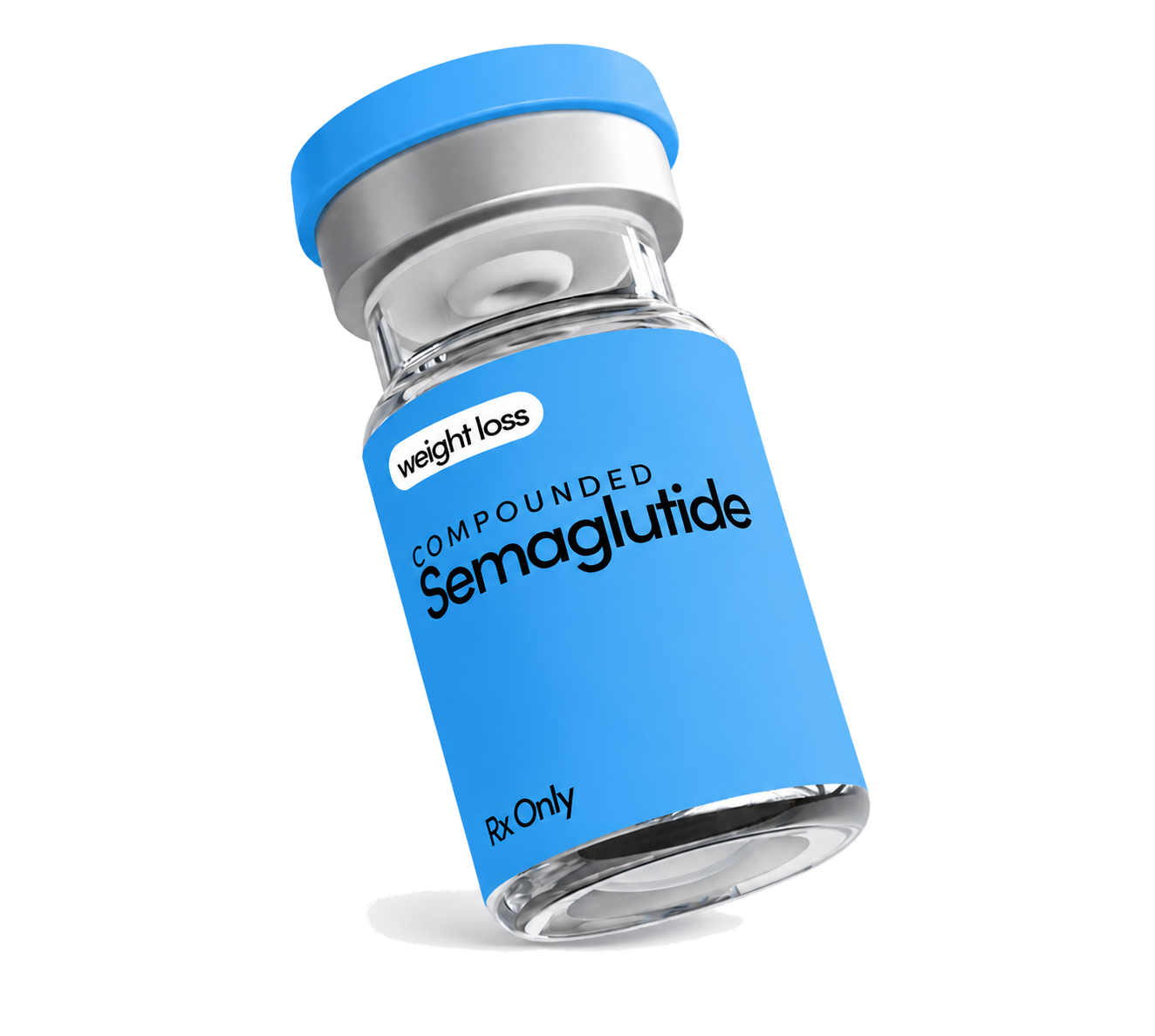
from$99/mo
SemaglutideRx
GLP-1 Receptor Agonist
SemaglutideRx
GLP-1 Receptor Agonist
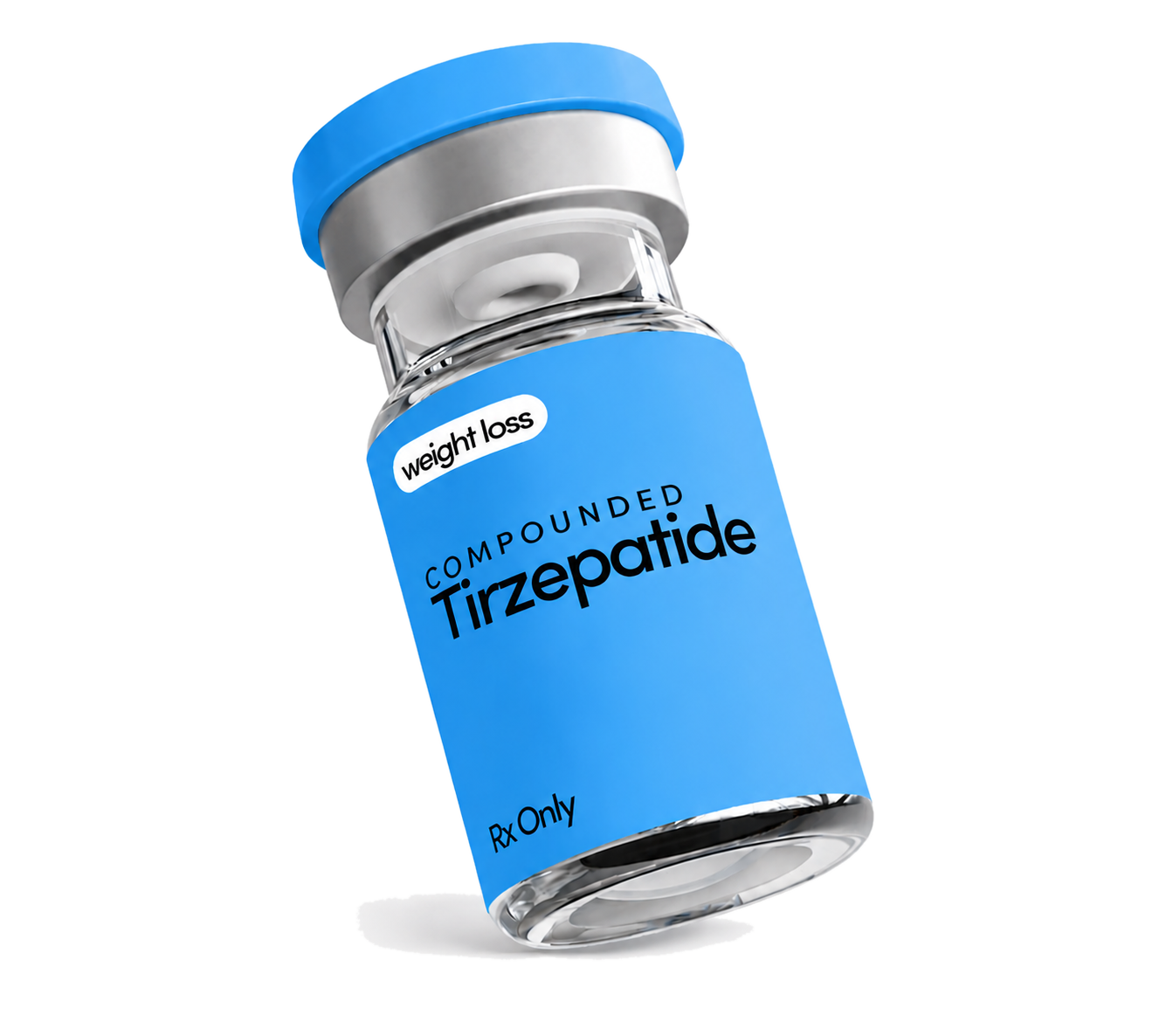
TirzepatideRx
Dual GLP-1 + GIP Receptor Agonist

Semaglutide ODT PillsRx
GLP-1 Receptor Agonist - Oral Dissolving Tablet
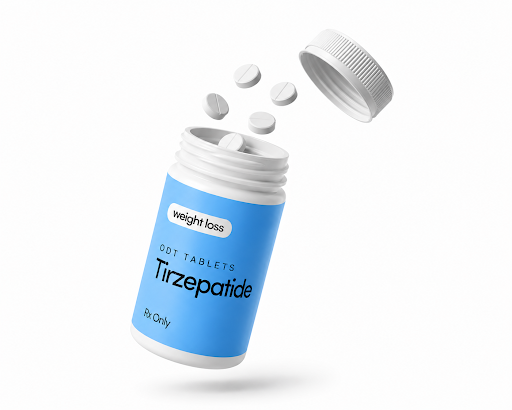
Tirzepatide ODT PillsRx
Dual GLP-1 + GIP Receptor Agonist - Oral Dissolving Tablet

Men's Complete Hair Growth PillRx
Minoxidil, Finasteride, Biotin

Men's Advanced Hair SprayRx
Minoxidil, Finasteride, Fluocinolone, Tretinoin
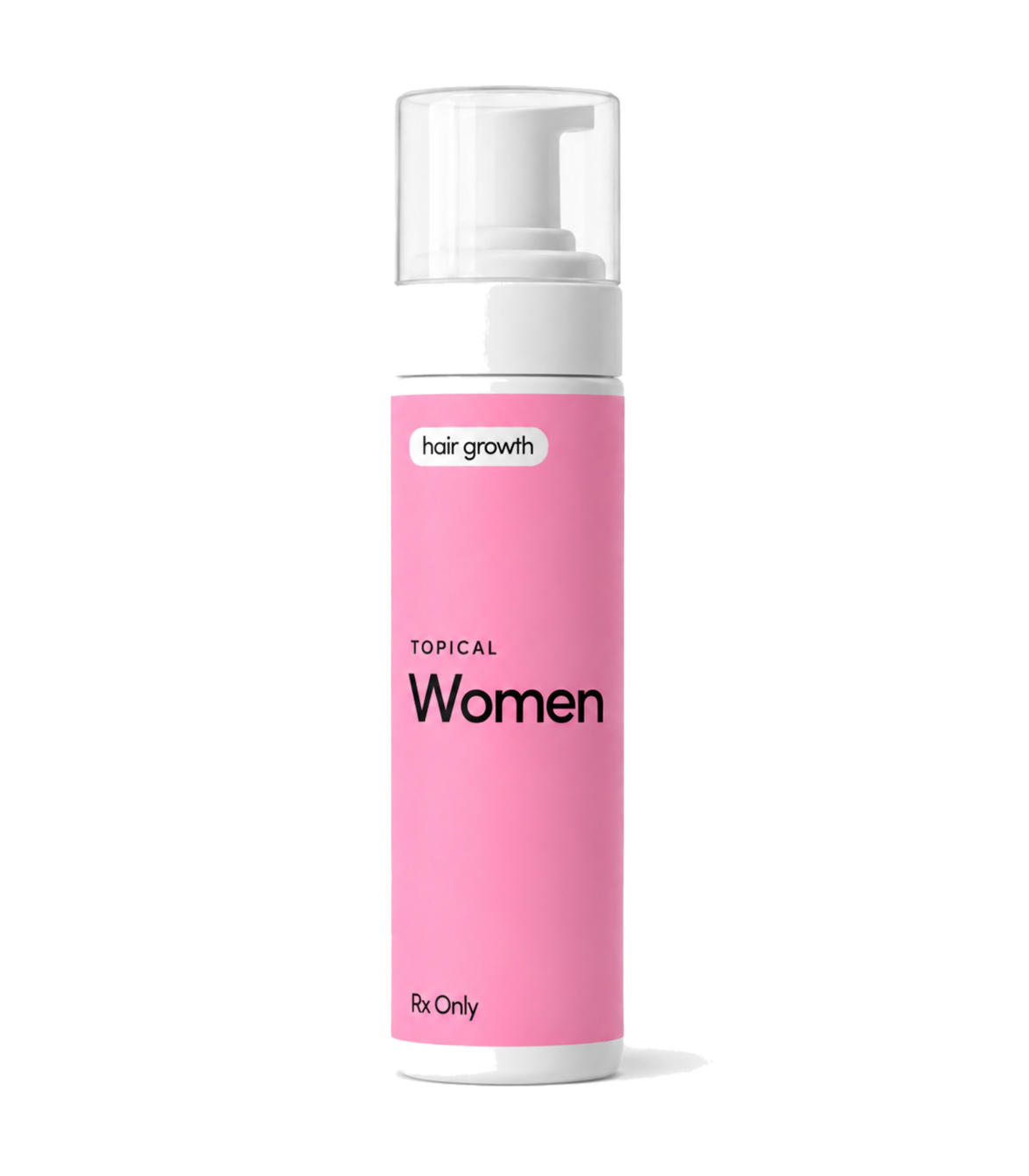
Women's Premium Hair SprayRx
Minoxidil, Tretinoin, Fluocinolone, Biotin, Melatonin

Women's Complete Hair Growth PillRx
Minoxidil, Vitamin E, Biotin
Written by Luma Meds Team
August 3, 2026 · 11 min read

Hair loss can be alarming—especially when it starts after beginning a new medication. Some patients taking tirzepatide have reported increased hair shedding, which raises an understandable question: Does tirzepatide cause hair loss?
The answer is more complicated than a simple yes or no. Hair loss has been reported in people using tirzepatide, but researchers are still working to understand exactly why it happens. Current evidence suggests that rapid weight loss, reduced calorie intake, nutritional changes, and temporary shifts in the hair-growth cycle may play an important role.
In many cases, the pattern may resemble a temporary form of shedding called telogen effluvium.
Hair doesn't grow continuously. Each hair follicle moves through a natural cycle that includes:
Telogen effluvium occurs when a larger-than-usual number of hairs enter the resting and shedding phases at approximately the same time. Instead of developing isolated bald spots, patients often notice more generalized shedding across the scalp.
They may see:
Telogen effluvium can occur after the body experiences a significant physical or metabolic change.
Yes.
Rapid or substantial weight loss has long been associated with telogen effluvium. A 2024 dermatology study examined 140 patients who developed telogen effluvium associated with weight loss. Participants had lost an average of approximately 15% of their body weight, and faster rates of weight loss were also observed in many of those affected.
This relationship existed before GLP-1 medications became widely used. Similar temporary shedding has historically been observed after:
Because tirzepatide can produce substantial weight reduction, researchers believe the weight-loss process itself may contribute to hair shedding in some patients.
There isn't strong evidence showing that tirzepatide directly damages hair follicles.
Recent research has found an association between GLP-1 medications and hair-loss reports, particularly with semaglutide and tirzepatide, but causation has not been established.
A 2026 review of the available evidence noted that most of the current data come from observational studies, retrospective analyses, and adverse-event reporting systems rather than trials specifically designed to determine whether GLP-1 medications directly cause alopecia.
Another 2026 systematic review found that telogen effluvium and androgenetic alopecia were among the most frequently reported patterns, with rapid weight loss emerging as one possible contributor.
The current picture
The current picture
Hair growth requires energy and nutrients. When calorie intake falls substantially, the body may temporarily redirect resources toward functions considered more essential than hair growth.
Possible contributing factors can include:
Not every person who loses weight develops hair shedding. However, larger or faster changes in body weight may increase the likelihood of telogen effluvium in susceptible individuals.
Usually not.
One of the confusing things about telogen effluvium is that the shedding often appears weeks or months after the triggering event. That means someone may start tirzepatide, begin losing weight, and not notice increased shedding until later.
By that point, it can be easy to assume the most recent medication dose caused the problem. In reality, the hair follicles may have entered the resting phase several weeks earlier.
This delayed pattern is one reason determining the exact cause of hair shedding can be difficult.
When shedding is caused by telogen effluvium, it is often temporary. Once the underlying trigger improves and the body stabilizes, the normal hair-growth cycle can gradually resume.
However, hair grows slowly. Even after shedding begins to improve, visible changes in thickness can take several months.
It's also important to recognize that not every type of hair loss is telogen effluvium. Some people may already have conditions such as:
Weight loss or metabolic stress may sometimes make an existing condition more noticeable.
There's no guaranteed way to prevent hair shedding, but supporting adequate nutrition during weight loss may help reduce avoidable contributors.
Patients should avoid treating tirzepatide as a reason to stop eating. Even when appetite drops, the body still needs adequate nutrition.
Important considerations may include:
Your healthcare provider may recommend laboratory testing if they suspect another contributor.
Biotin is heavily marketed for hair growth, but taking large amounts isn't automatically helpful. True biotin deficiency is relatively uncommon.
If your hair shedding is caused primarily by rapid weight loss or telogen effluvium, simply adding a high-dose biotin supplement may not address the underlying cause. Some supplements can also interfere with certain laboratory tests.
Instead of automatically adding supplements, it may be more useful to determine whether you actually have a nutritional deficiency.
Protein is important for maintaining muscle, skin, and hair during weight loss. Because tirzepatide can significantly reduce appetite, some patients may unintentionally eat much less protein than they did before treatment.
That doesn't mean every patient needs a high-protein diet or protein supplements. However, adequate protein intake is an important part of maintaining nutrition while losing weight.
A healthcare professional or registered dietitian can help determine what intake is appropriate for your individual needs.
Not automatically.
Stopping medication suddenly may not immediately stop telogen effluvium because the hair-growth cycle has already shifted. Instead, discuss the shedding with your healthcare provider.
They may review:
The appropriate response depends on the cause.
Consider speaking with a healthcare professional if hair shedding is:
Patchy hair loss, scarring, redness, scaling, or significant scalp discomfort may suggest something other than typical telogen effluvium and deserves evaluation.
If the shedding is due to temporary telogen effluvium, hair can generally begin returning to its normal growth cycle once the underlying trigger has resolved.
But regrowth takes time. Hair grows only gradually, which means improvement isn't usually visible immediately after shedding slows. Patients may notice shorter new hairs appearing before overall density begins to look fuller.
The process can take several months.
Hair loss has been reported in some people taking tirzepatide, but current research does not clearly establish that tirzepatide directly damages hair follicles.
Rapid weight loss appears to be one important potential explanation. Significant changes in body weight, calorie intake, protein intake, nutritional status, and physical stress can trigger telogen effluvium, a temporary form of diffuse hair shedding.
Recent research has found signals linking tirzepatide and other GLP-1 therapies with hair-loss reports, but researchers are still working to determine exactly how much of that association comes from the medication itself versus the weight-loss process.
If you're experiencing hair shedding while taking tirzepatide, don't assume you need to stop treatment immediately. A healthcare provider can help evaluate your rate of weight loss, nutrition, laboratory values, and hair-loss pattern to determine what may be contributing.
At Luma Meds, eligible patients are evaluated by a licensed healthcare provider who can monitor treatment response, side effects, and other concerns that arise during a medical weight-loss program.
Luma Meds Treatment Option
Luma Meds offers compounded tirzepatide for eligible patients, with ongoing follow-up from a licensed healthcare provider who can help you manage side effects and monitor nutrition throughout treatment.
Explore Tirzepatide PlansStart your consultation
Complete a short online intake. A licensed provider reviews your health history and determines whether a compounded tirzepatide or semaglutide plan is appropriate.
Start your online visitThis article is for educational purposes only and is not intended to provide medical advice, diagnosis, or treatment. Individual treatment decisions should be made with a licensed healthcare provider.
Share this article