Most Popular

from$139.99/mo
SemaglutideRx
GLP-1 Receptor Agonist
SemaglutideRx
GLP-1 Receptor Agonist
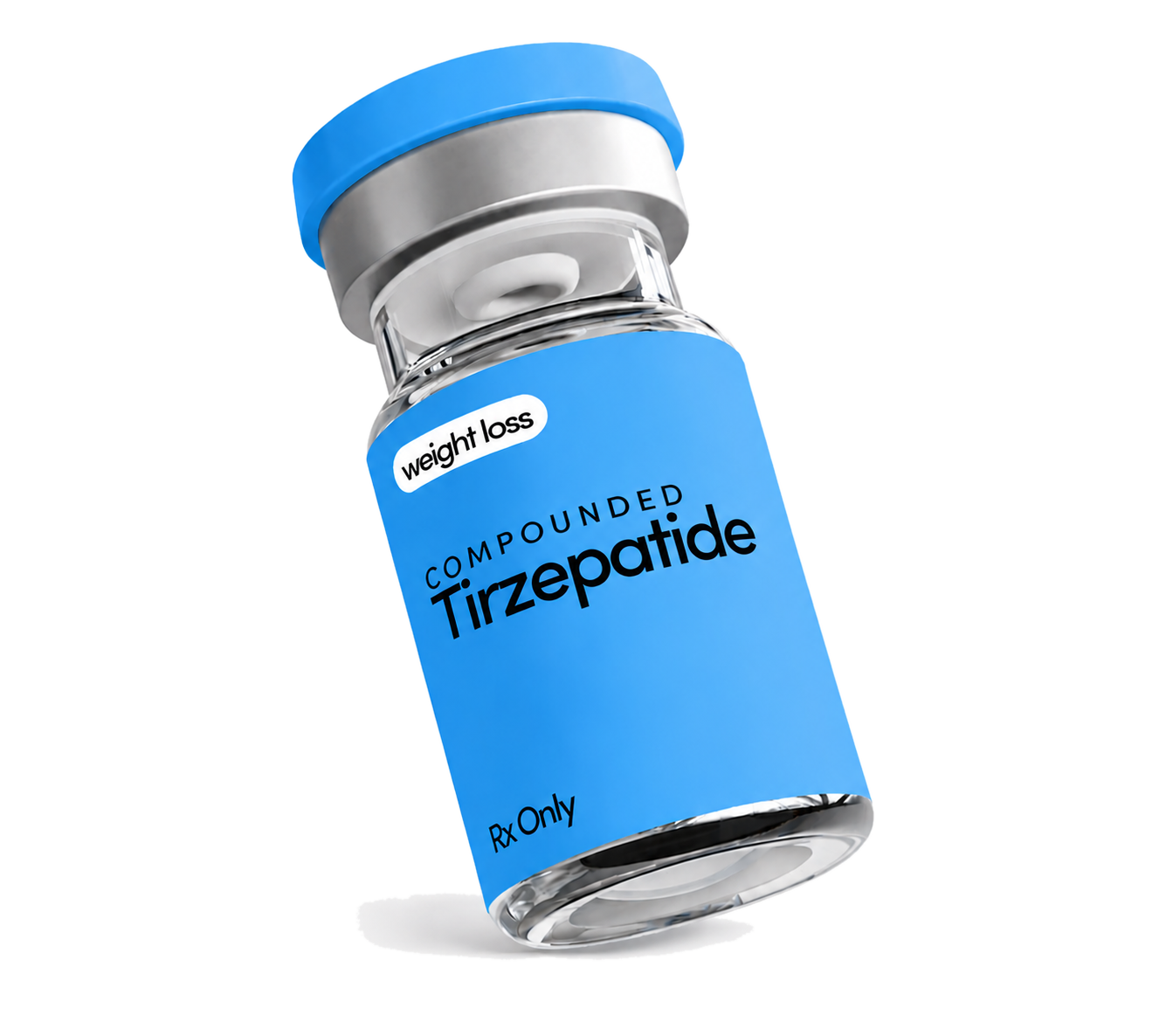
TirzepatideRx
Dual GLP-1 + GIP Receptor Agonist

Semaglutide ODT PillsRx
GLP-1 Receptor Agonist - Oral Dissolving Tablet
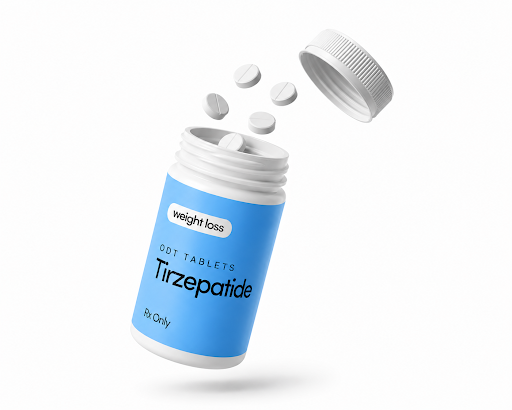
Tirzepatide ODT PillsRx
Dual GLP-1 + GIP Receptor Agonist - Oral Dissolving Tablet
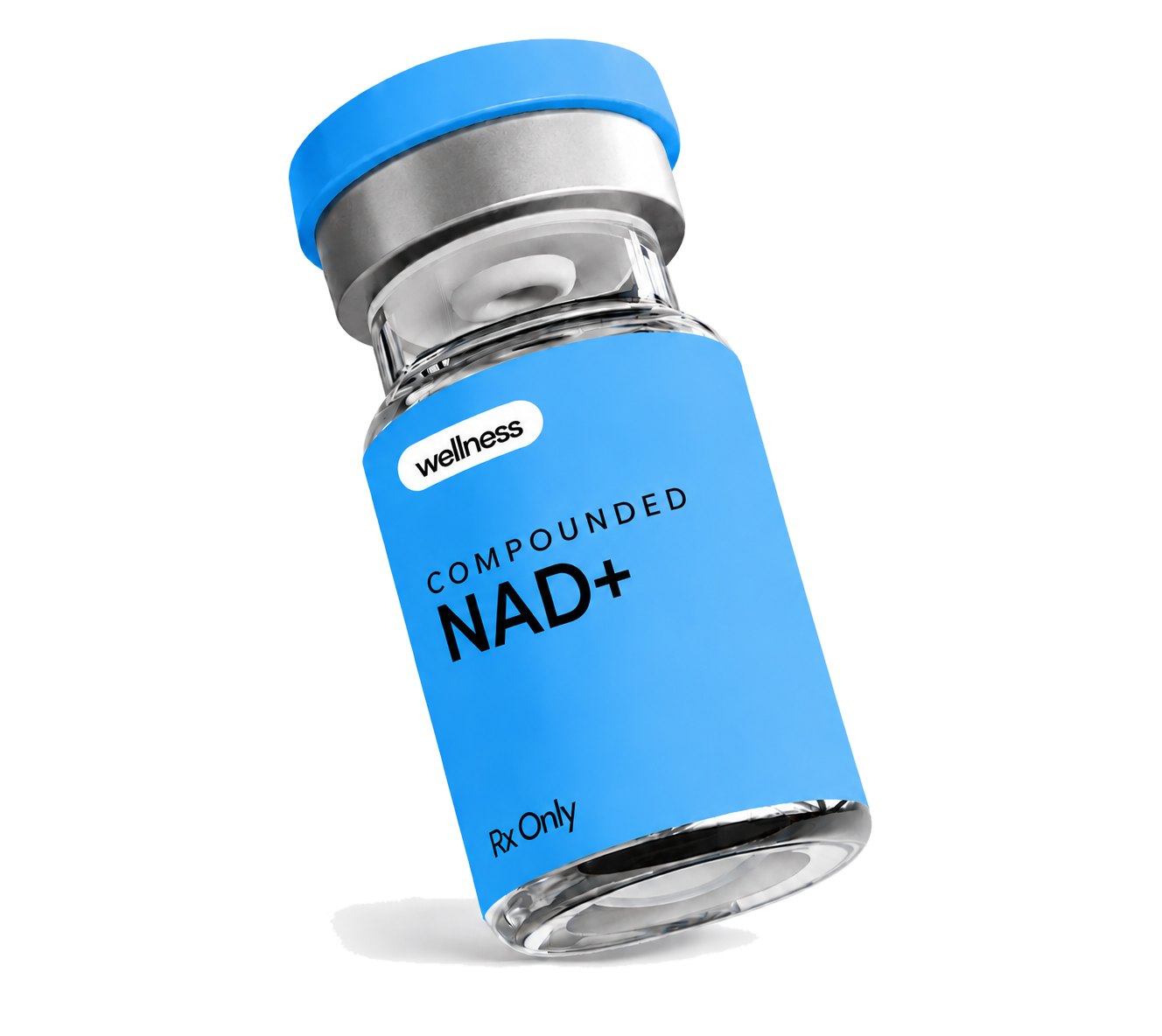
NAD+Rx
Energy, Focus, Recovery

SermorelinRx
Recovery, Sleep, Vitality
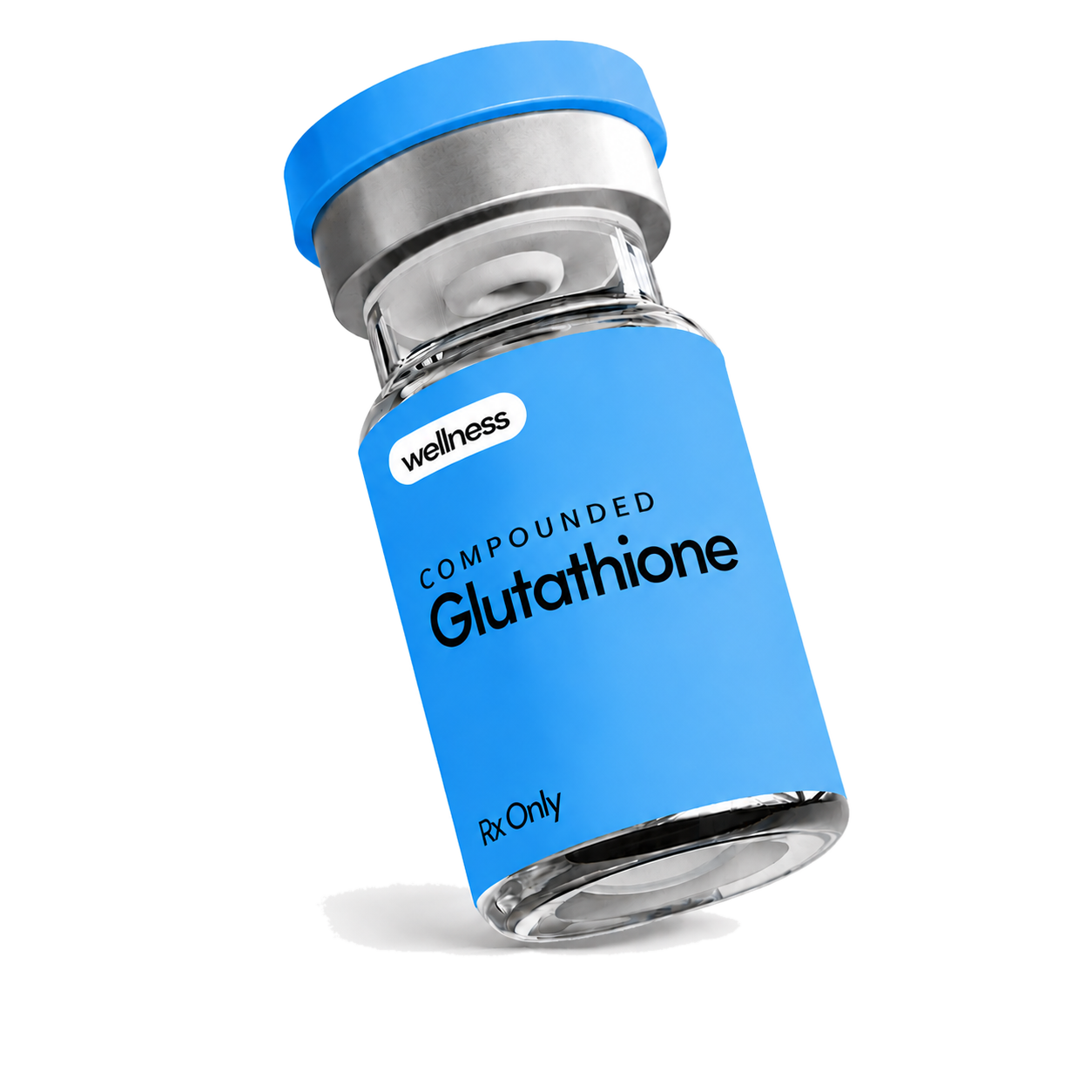
GlutathioneRx
Skin, Immunity, Wellness
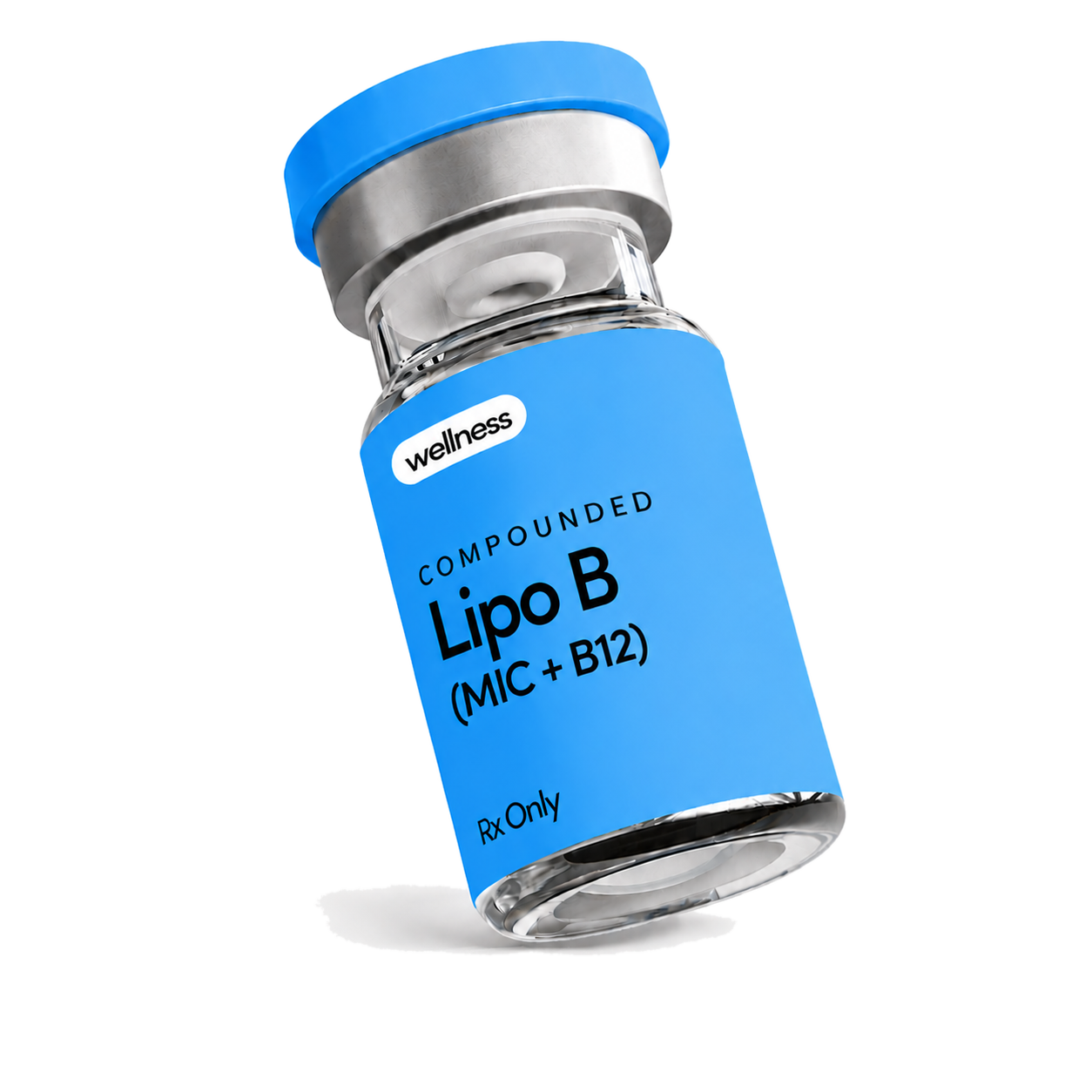
Lipo-B (MIC + B12)Rx
Energy, Metabolism, Wellness

Men's Complete Hair Growth PillRx
Minoxidil, Finasteride, Biotin

Men's Advanced Hair SprayRx
Minoxidil, Finasteride, Fluocinolone, Tretinoin

Women's Premium Hair SprayRx
Minoxidil, Tretinoin, Fluocinolone, Biotin, Melatonin

Women's Complete Hair Growth PillRx
Minoxidil, Vitamin E, Biotin
Written by Luma Meds Team
August 13, 2026

You've probably heard of B12 shots — but what happens when B12 is combined with nutrients involved in fat metabolism, liver function, and cellular health?
That's the idea behind MIC + B12, commonly known as a lipotropic injection.
The name sounds complicated. The ingredients aren't.
Each plays a different role in normal metabolism, and together they've become a popular wellness option for people interested in metabolic support, energy, and complementing a healthy weight-management routine.
So what does each ingredient actually do? Let's break down the injection.
Let's get the strange word out of the way.
“Lipo” means fat. “Tropic” essentially means acting on or having an affinity for something.
A lipotropic compound generally refers to a nutrient involved in the body's normal processing, transport, or metabolism of fats, particularly in the liver.
That doesn't mean a lipotropic injection simply enters your body and starts melting fat. Your metabolism is much more complicated than that.
Instead, MIC injections combine nutrients that participate in different metabolic processes. Think support — not a shortcut.
MIC + B12 is designed to complement the work you're already doing, rather than replace nutrition, movement, or an appropriate weight-management plan.
This is where the formula gets interesting. Instead of one ingredient trying to do everything, MIC combines several nutrients with different jobs.
| Ingredient | Its role in the body |
|---|---|
| Methionine | An essential amino acid involved in methylation and normal metabolism |
| Inositol | Participates in cell signaling and several metabolic pathways |
| Choline | Helps transport fats and supports normal liver and cellular function |
| Vitamin B12 | Helps your body use nutrients for energy and supports healthy blood and nerve cells |
Let's look at each one.
Methionine is an essential amino acid. “Essential” means your body needs it but can't make enough on its own, so it has to come from your diet.
But methionine isn't just something used to build protein. It also participates in an important process called methylation.
Don't worry — you don't need a biochemistry lesson. The easy version is: methionine helps provide building blocks used in chemical reactions your cells depend on.
Through its conversion into compounds such as S-adenosylmethionine (SAM), methionine participates in reactions involved in normal:
Methionine is also historically classified as a lipotropic nutrient because of its relationship with lipid metabolism.
Did you know?
Did you know?
Your body cannot manufacture methionine from scratch.
It's one of the nine essential amino acids, meaning you normally obtain it through foods containing protein.
Inositol is probably the ingredient patients recognize the least.
It's a naturally occurring compound found in the body and in many foods. One of its major jobs involves cellular signaling.
Think of your cells as constantly receiving messages. Hormones and other signals arrive at the cell, and something has to help carry that message inside. Inositol-containing compounds participate in some of those signaling pathways.
Inositol has been researched in areas involving:
This has made inositol particularly interesting in the broader metabolic-wellness world.
It isn't a stimulant and it isn't a fat-burning drug. It's a nutrient-like compound involved in systems your cells already use.
If there's one MIC ingredient that makes the term “lipotropic” easier to understand, it's choline.
Choline is an essential nutrient involved in several important processes. Your body uses it to help:
Choline is especially important to the liver's ability to package and transport lipids. When choline levels become severely deficient, fat can accumulate in the liver.
That's one reason choline has such an established connection with normal fat metabolism.
The simple version? Your body needs choline to properly handle and transport fats. That's very different from saying choline “burns body fat” — but it explains why choline has become one of the cornerstone ingredients in lipotropic formulas.
Now we get to the ingredient most people already know: vitamin B12.
You've probably heard someone say: “I got a B12 shot for energy.”
There's a real biological reason B12 gets associated with energy. Vitamin B12 participates in processes your body needs to convert the nutrients you eat into usable cellular energy. It also plays important roles in:
But here's an important distinction: B12 isn't caffeine.
It doesn't stimulate your nervous system to artificially make you feel wired. Instead, B12 is something your body actually requires for normal metabolism — and when someone is deficient in B12, fatigue and weakness can be among the symptoms.
Not necessarily.
This is where wellness marketing sometimes gets ahead of biology.
If someone is B12 deficient, correcting that deficiency can make a meaningful difference. If someone already has adequate B12 levels, an additional B12 injection isn't guaranteed to suddenly give them unlimited energy.
That's why we prefer to describe B12 as supporting normal energy metabolism rather than calling it an “energy booster.” It's more accurate — and it explains what B12 is actually doing.
Now the formula makes much more sense.
Together, MIC + B12 combines several nutrients involved in the metabolic processes your body already relies on. That's the basic concept behind a lipotropic injection.
This is probably the question you actually came here to ask.
Not by itself.
There's no injection that replaces the basic biology of weight management. And MIC + B12 hasn't been proven in high-quality clinical trials to independently cause significant weight loss.
But that's not really the best way to think about it.
Lipotropic injections are generally used as support alongside a larger wellness or weight-management routine. That routine may already include:
MIC + B12 can then be incorporated as another piece of that broader strategy.
Pro tip
Pro tip
If someone tells you MIC + B12 will simply “melt fat away,” that's overselling it.
A better way to think about lipotropic injections is: supporting metabolic pathways while you do the things that actually drive your progress.
Weight loss isn't only about what the scale says.
Anyone who's been actively losing weight knows there are days when maintaining the routine itself is the hard part. You're trying to eat differently, stay active, exercise, keep your protein intake up, stay consistent — and potentially follow a medical weight-management program.
That's why MIC + B12 has become a popular companion treatment in wellness and weight-management settings. Rather than replacing a weight-loss strategy, it's designed to fit alongside one.
For patients who are already putting in the work, that can make it an appealing addition to their routine.

These are not the same type of treatment — and they shouldn't be marketed as if they are.
GLP-1 medications such as semaglutide and tirzepatide act on specific hormone receptors and have clinical evidence demonstrating meaningful effects on appetite and body weight. MIC + B12 does something very different.
| MIC + B12 | GLP-1 medication | |
|---|---|---|
| Primary concept | Nutrient/metabolic support | Medical weight management |
| Directly reduces appetite? | No established effect | Yes |
| Contains nutrients used by the body? | Yes | No |
| Designed to independently produce major weight loss? | No | Yes, when clinically appropriate |
| Can complement a broader wellness routine? | Yes | Yes |
You don't necessarily have to think of it as MIC or weight-loss treatment. For an appropriate patient, the conversation may instead be: “What can support the overall plan I'm already following?”
There's another obvious question: “Why not just take these nutrients in a vitamin?”
For B12 specifically, injectable administration bypasses gastrointestinal absorption, which can be particularly useful in certain people with B12 deficiency or absorption problems. Both oral and injectable B12 can be effective in appropriate circumstances.
MIC injections also package several ingredients into one prescribed injectable formulation, rather than requiring someone to build their own combination of individual supplements.
For patients comfortable with injections, that can make the routine straightforward: one formula, multiple components, one wellness routine.
Lipotropic injections may appeal to someone thinking:
That's really where MIC + B12 makes the most sense. Not as a miracle weight-loss injection — as another tool within a bigger wellness strategy.
Lipo-B (MIC + B12)
Complete a quick online visit and, if appropriate, a licensed provider will prescribe MIC + B12 lipotropic injections shipped directly to your door.
Start your Lipo-B visitLet's keep expectations straightforward.
And that's okay. A wellness treatment doesn't have to be miraculous to be useful.
MIC + B12 sounds complicated until you break down the name:
Put them together, and you get what's commonly called a lipotropic injection.
Successful wellness rarely comes down to one thing. It's usually the combination of what you eat, how you move, how you sleep, how consistent you are, your metabolic health — and, when appropriate, medical support. MIC + B12 fits into that picture as a way of providing several nutrients involved in the metabolic systems you're already asking your body to use every day.
It's not a shortcut to weight loss. It's not a replacement for healthy habits. And it's not designed to compete with prescription weight-loss medications. It's designed to complement the bigger picture.
For people already investing in their weight, energy, and overall wellness, MIC + B12 offers another way to support the metabolic processes working behind the scenes.
This article is for educational purposes only and is not intended to provide medical advice, diagnosis, or treatment. Individual treatment decisions should be made with a licensed healthcare provider.
Share this article