Best Value
from$99/mo
SemaglutideRx
GLP-1 Receptor Agonist
SemaglutideRx
GLP-1 Receptor Agonist
TirzepatideRx
Dual GLP-1 + GIP Receptor Agonist

Semaglutide ODT PillsRx
GLP-1 Receptor Agonist - Oral Dissolving Tablet
Tirzepatide ODT PillsRx
Dual GLP-1 + GIP Receptor Agonist - Oral Dissolving Tablet
Men's Complete Hair Growth PillRx
Minoxidil, Finasteride, Biotin
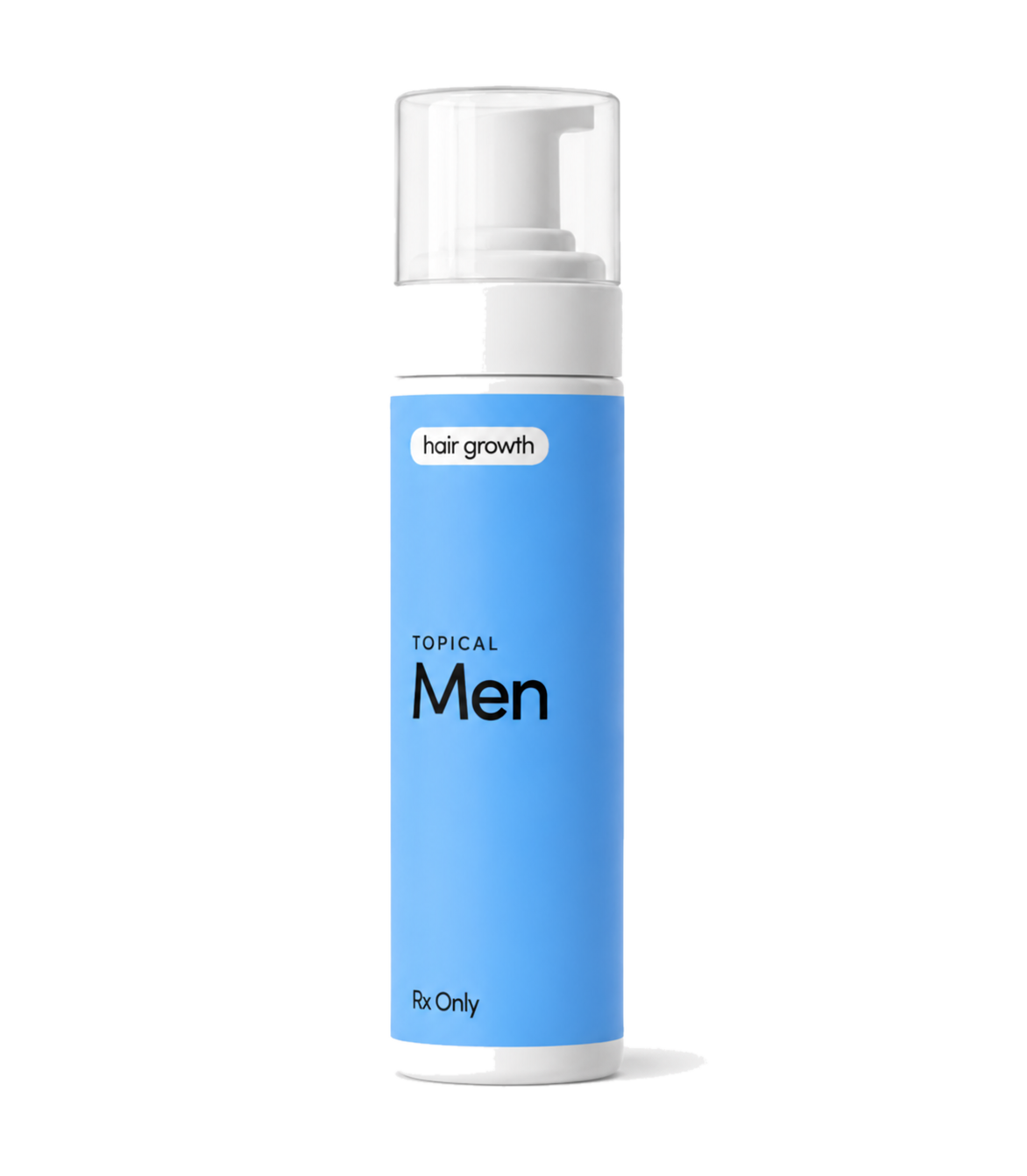
Men's Advanced Hair SprayRx
Minoxidil, Finasteride, Fluocinolone, Tretinoin
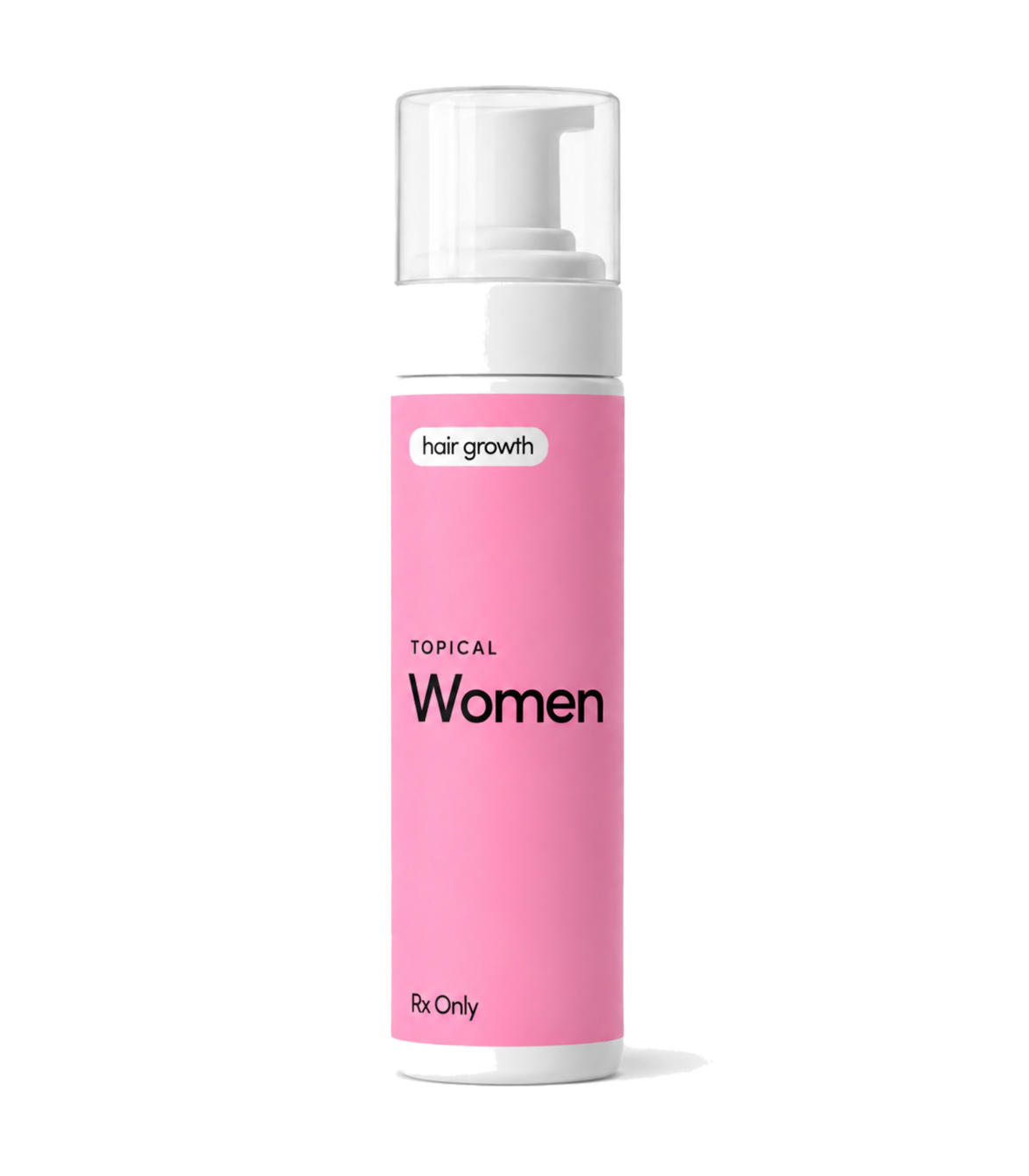
Women's Premium Hair SprayRx
Minoxidil, Tretinoin, Fluocinolone, Biotin, Melatonin
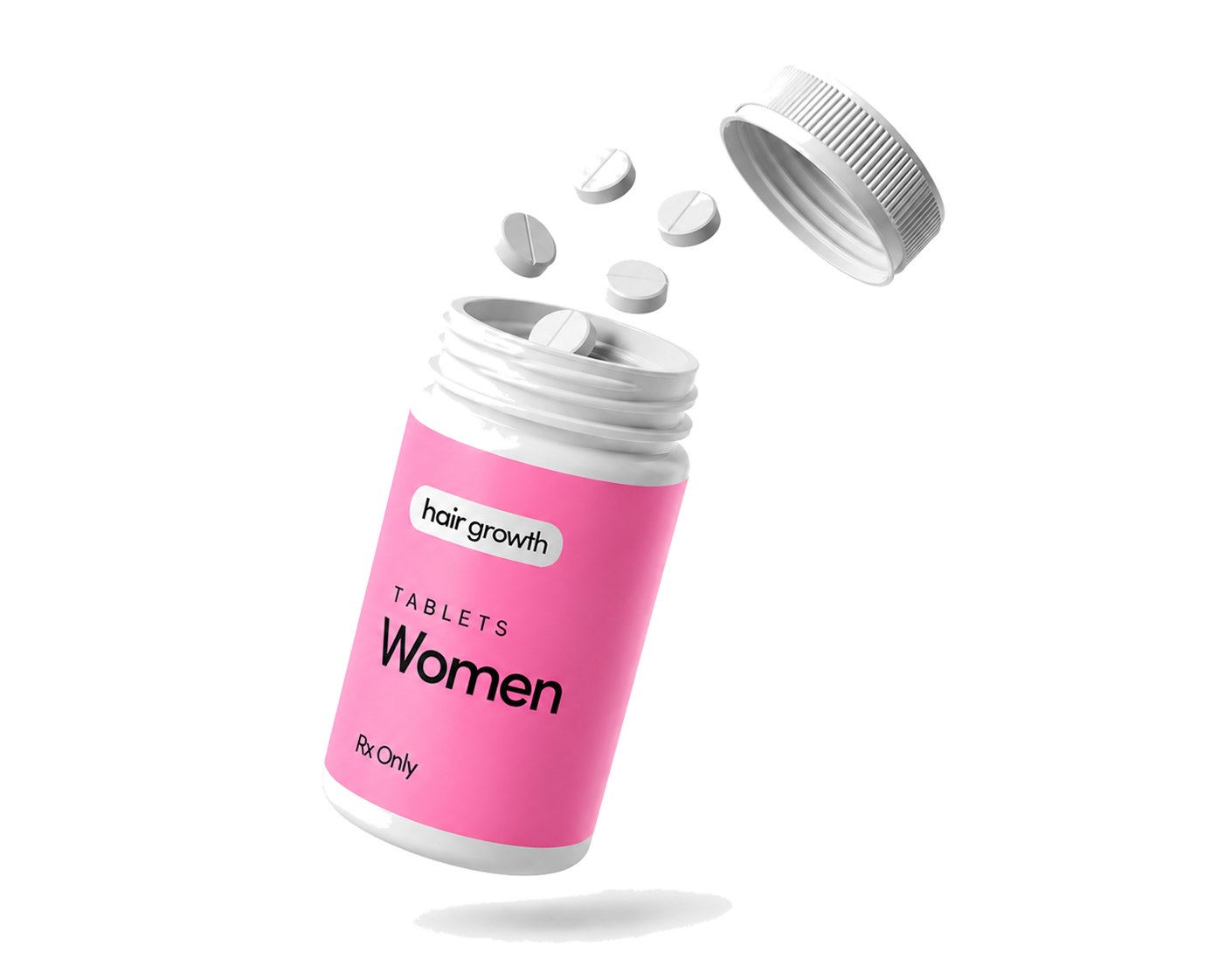
Women's Complete Hair Growth PillRx
Minoxidil, Vitamin E, Biotin
Written by Luma Meds Team
August 10, 2026 · 10 min read
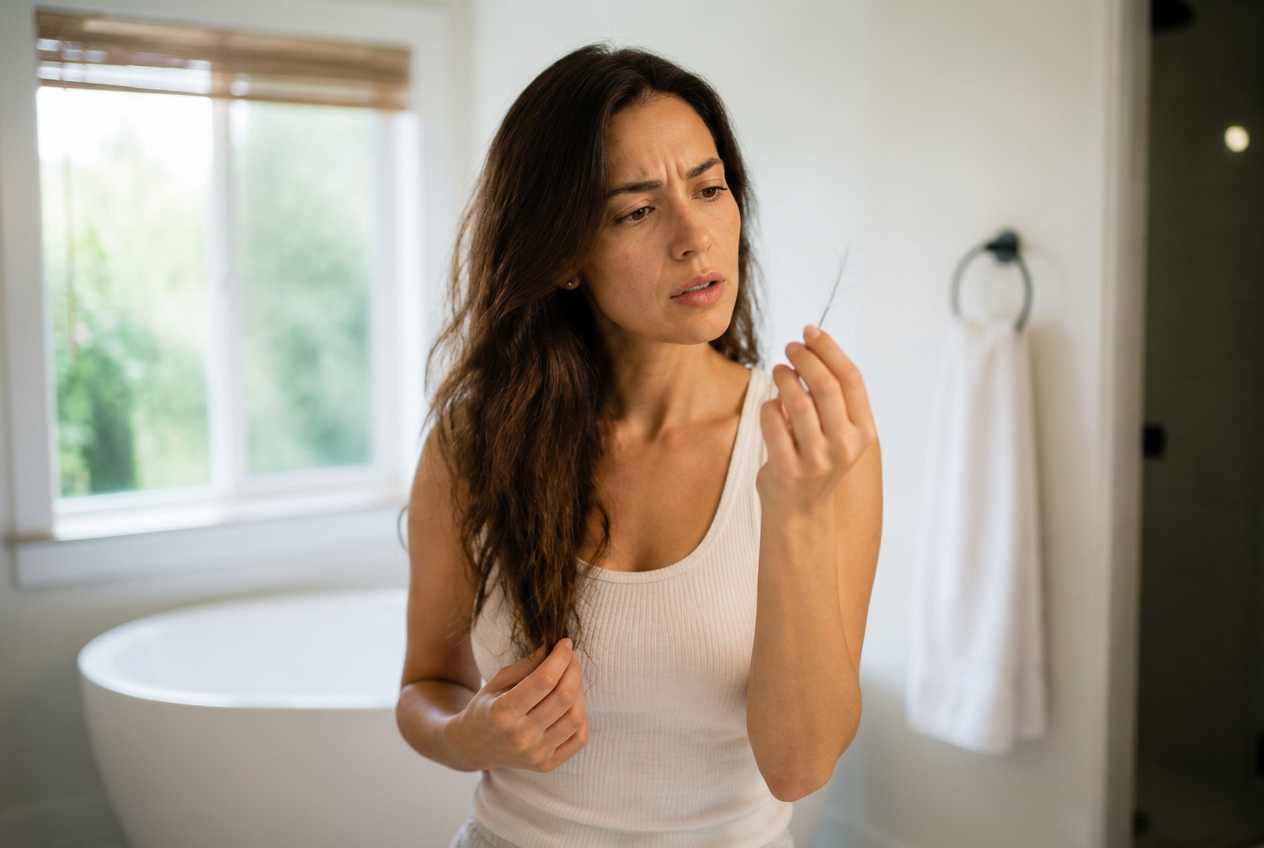
If you're experiencing increased shedding or thinning hair, you may have heard that you should “check your ferritin.”
But what exactly is ferritin — and what does it have to do with your hair?
Iron is an essential mineral used throughout the body. Ferritin is a protein that stores iron and is commonly measured to help estimate your body's iron reserves. When iron stores become too low, hair growth may be affected.
Research has found an association between low ferritin levels and certain types of hair loss, particularly telogen effluvium, a condition that causes increased shedding across the scalp. But the relationship isn't as simple as saying that every person with hair loss needs more iron.
Iron and ferritin are related, but they're not the same thing.
Iron is a mineral your body needs for important processes including oxygen transport, energy metabolism, and normal cellular function. Ferritin is a protein that stores iron.
Think of iron as the money you're currently using, and ferritin as some of the money you have stored away.
A ferritin blood test can therefore give healthcare providers useful information about your body's iron stores.
Low iron stores have been associated with hair loss, particularly diffuse shedding. One possible presentation is telogen effluvium.
Normally, individual hairs move through several phases:
Telogen effluvium occurs when an unusually large number of hairs enter the resting and shedding phase. The result can be noticeable hair shedding throughout the scalp. Iron deficiency is one potential trigger, although telogen effluvium can have many others.
A 2022 systematic review and meta-analysis involving more than 10,000 women found that women with nonscarring hair loss had significantly lower ferritin levels on average than women without hair loss. More recent research has similarly found lower ferritin levels among patients with telogen effluvium.
Yes. This is an important distinction.
Iron deficiency and iron-deficiency anemia aren't necessarily the same stage of the problem. Hemoglobin measures the oxygen-carrying protein in red blood cells, while ferritin helps assess stored iron.
Someone's iron stores can become depleted before their hemoglobin falls enough to meet the criteria for anemia. That means someone can potentially have low ferritin with normal hemoglobin.
Normal hemoglobin isn't the whole story
Normal hemoglobin isn't the whole story
A normal hemoglobin result doesn't always provide the complete picture when investigating possible iron deficiency.
This is where things become less clear.
There is no universally accepted ferritin number that guarantees healthy hair growth. Different hair-loss studies have used different thresholds for defining low ferritin or iron deficiency.
You may see people online say that ferritin needs to be:
The research doesn't support one universal “perfect ferritin level” for everyone's hair. Some studies have found an association between lower ferritin and hair loss, while others haven't found iron deficiency to be significantly more common among women with hair loss than women without it.
So ferritin should be interpreted in context rather than treated as a hair-growth score.
Hair follicles contain rapidly dividing cells. Producing a new hair fiber requires substantial cellular activity, and iron participates in processes necessary for normal cell function and DNA synthesis.
When the body doesn't have adequate iron available, hair growth may become a lower priority compared with essential physiological functions. That may contribute to disruption of the normal hair cycle in susceptible individuals.
However, scientists are still studying exactly how iron deficiency contributes to different forms of hair loss.
Low iron stores can happen for many reasons. Potential causes include:
Women who menstruate are particularly susceptible to iron deficiency because iron is lost through menstrual blood.
Finding low ferritin is therefore only the first step. It's also important to understand why iron stores became low.
Hair shedding related to iron deficiency often resembles telogen effluvium. Instead of one clearly defined bald patch, you may notice:
Telogen effluvium usually produces relatively diffuse shedding rather than the patterned recession commonly associated with male pattern baldness. However, multiple types of hair loss can occur at the same time — for example, someone can have female pattern hair loss and telogen effluvium together.
It can be useful, particularly when someone has unexplained diffuse shedding or other signs suggesting possible iron deficiency. A healthcare provider may consider tests such as:
Not every person with hair loss needs every laboratory test. The pattern of hair loss, medical history, diet, medications, menstrual history, recent illness, weight changes, and other symptoms can help guide the evaluation.
Hair Loss
Complete a quick online visit and a licensed provider can review your hair-loss pattern and history to determine whether a prescription treatment may be appropriate for you.
Start your hair visitIf someone is genuinely iron deficient, correcting the deficiency may help address one potential contributor to hair shedding. But taking iron isn't a universal hair-loss treatment.
If your ferritin level is already adequate, taking additional iron hasn't been established as a way to make hair grow faster or thicker. And hair loss can have many causes unrelated to iron, including:
Correcting iron deficiency won't necessarily treat these other causes.
More iron isn't automatically better. Iron supplements can cause side effects such as:
Excessive iron accumulation can also be harmful. That's why it's generally better to identify whether iron deficiency is actually present rather than taking high-dose iron solely because you're experiencing hair loss.
A healthcare provider can interpret ferritin alongside other laboratory values and your overall medical history.
Even after an underlying trigger is corrected, hair doesn't immediately return to normal. Hair follicles operate on a slow biological cycle.
If iron deficiency contributed to telogen effluvium, correcting the deficiency addresses the trigger — but follicles still need time to transition back into active growth. As a result, changes in shedding and visible density may take several months to become noticeable.
Hair recovery is usually measured in months, not days or weeks.
One of the biggest mistakes when investigating hair loss is becoming focused on a single laboratory number. Ferritin can provide valuable information, but hair loss may be influenced by multiple factors at the same time.
Someone with low ferritin may also have:
A complete hair-loss evaluation looks at the pattern, timing, medical history, nutrition, laboratory findings, and potential triggers together.
Low iron stores can contribute to hair shedding, and ferritin is one of the most useful blood tests for evaluating the body's stored iron. Research has found that women with nonscarring hair loss tend to have lower ferritin levels on average, and recent evidence has found a significant association between lower ferritin and telogen effluvium.
But there isn't one universally accepted ferritin level that guarantees optimal hair growth. A low ferritin result should be interpreted alongside hemoglobin, other iron studies, symptoms, medical history, and the type of hair loss you're experiencing.
And if your iron levels are already adequate, taking additional iron isn't necessarily going to make your hair grow.
The goal isn't simply to make the ferritin number higher. It's to identify and correct an actual deficiency when one exists, while determining whether something else may also be contributing to hair loss.
At Luma Meds, eligible patients can discuss their hair-loss concerns and available treatment options with a licensed healthcare provider to determine an approach that may be appropriate for their individual needs.
This article is for educational purposes only and is not intended to provide medical advice, diagnosis, or treatment. Individual treatment decisions should be made with a licensed healthcare provider.
Share this article