Best Value

from$99/mo
SemaglutideRx
GLP-1 Receptor Agonist
SemaglutideRx
GLP-1 Receptor Agonist
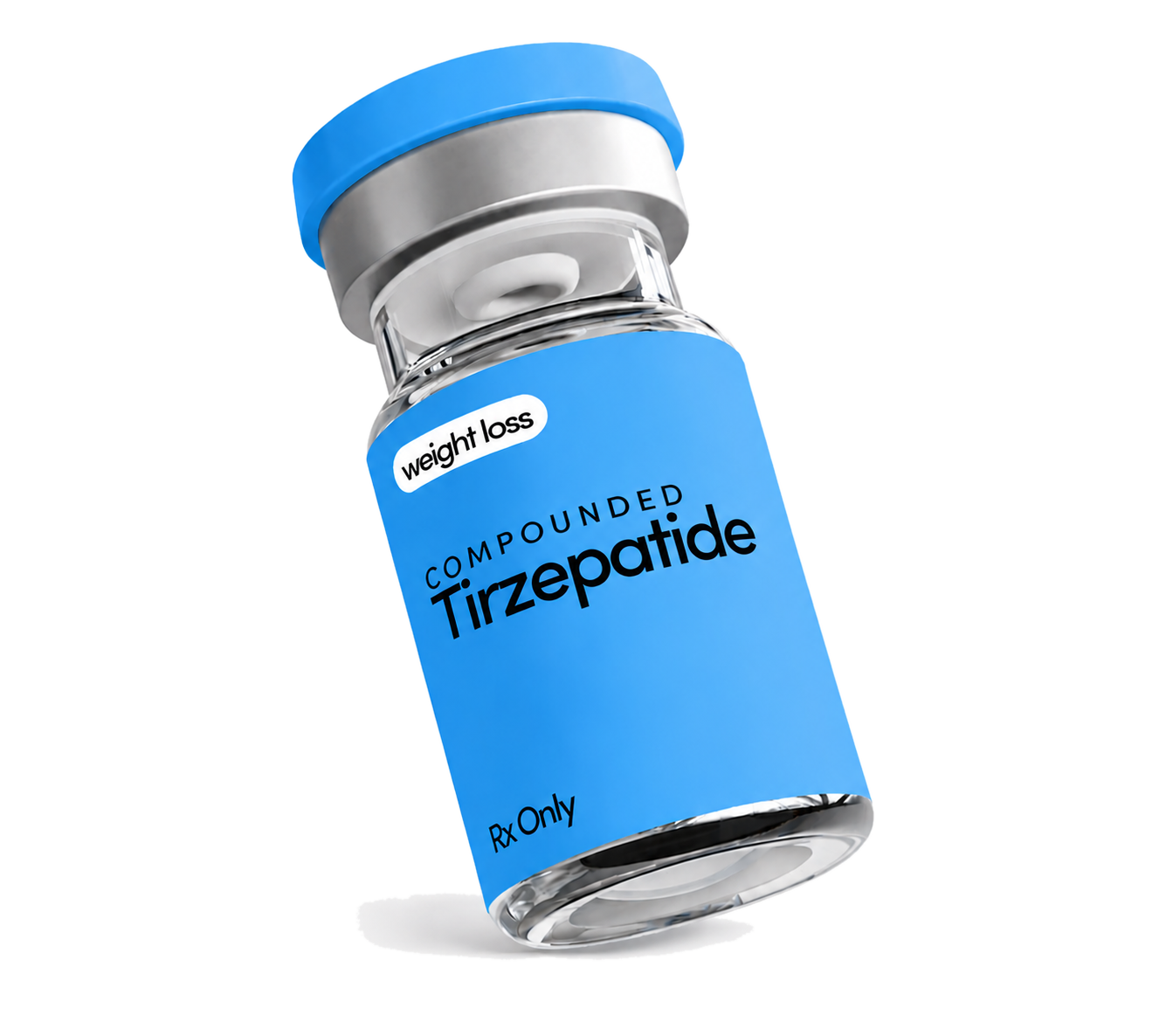
TirzepatideRx
Dual GLP-1 + GIP Receptor Agonist

Semaglutide ODT PillsRx
GLP-1 Receptor Agonist - Oral Dissolving Tablet
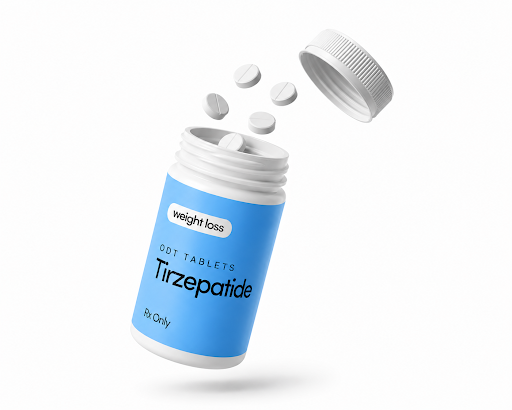
Tirzepatide ODT PillsRx
Dual GLP-1 + GIP Receptor Agonist - Oral Dissolving Tablet

Men's Complete Hair Growth PillRx
Minoxidil, Finasteride, Biotin

Men's Advanced Hair SprayRx
Minoxidil, Finasteride, Fluocinolone, Tretinoin

Women's Premium Hair SprayRx
Minoxidil, Tretinoin, Fluocinolone, Biotin, Melatonin

Women's Complete Hair Growth PillRx
Minoxidil, Vitamin E, Biotin
Written by Luma Meds Team
August 4, 2026 · 12 min read

Tirzepatide is known for reducing appetite and helping people lose weight, but some patients notice another change after starting treatment: they feel more tired than usual.
So, does tirzepatide cause fatigue?
It can. Fatigue has been reported during tirzepatide treatment, although it isn't one of the most common side effects.
There may also be more than one explanation. Tirzepatide can significantly reduce appetite and food intake, while nausea, diarrhea, vomiting, dehydration, and changes in blood sugar can also leave someone feeling low on energy.
For some patients, tiredness may be most noticeable while their body is adjusting to treatment.
Fatigue has been reported in clinical trials of tirzepatide for weight management. In clinical trials included in Zepbound prescribing information, fatigue-related reactions were reported in approximately:
The fatigue category included related symptoms such as tiredness, weakness, lethargy, and malaise.
That means fatigue can occur during treatment, but most participants in these trials did not report it.
There probably isn't one explanation that applies to everyone. Tirzepatide affects appetite, food intake, blood sugar regulation, and body weight. All of these can potentially influence how energetic someone feels.
Possible contributors include:
Sometimes several factors may be happening at once.
One of tirzepatide's major effects is appetite reduction. Research has shown that tirzepatide can reduce hunger, cravings, and overall food intake.
That's useful for weight management—but it can also make it surprisingly easy to under-eat. Someone who previously consumed substantially more food may suddenly:
If calorie intake falls too dramatically, low energy can follow.
Eating as little as possible isn't the goal
Eating as little as possible isn't the goal
Possibly.
Tirzepatide commonly causes gastrointestinal side effects such as:
These symptoms can sometimes make it harder to maintain adequate fluid intake. Vomiting and diarrhea can also increase fluid losses.
Dehydration can cause symptoms such as fatigue, weakness, dizziness, headache, and lightheadedness.
Someone experiencing tiredness alongside significant vomiting or diarrhea should pay particular attention to hydration and contact their healthcare provider if symptoms persist or become significant.
Tirzepatide affects blood sugar regulation, but the risk of clinically significant hypoglycemia depends partly on what other medications a person is taking.
The risk can be higher when tirzepatide is used alongside certain diabetes medications, particularly insulin or sulfonylureas.
Low blood sugar can cause symptoms such as:
Patients taking tirzepatide for diabetes should follow their healthcare provider's instructions for blood-glucose monitoring and medication management.
If fatigue is accompanied by symptoms suggestive of hypoglycemia, it shouldn't simply be dismissed as normal tiredness.
It can.
Weight loss requires an energy deficit, meaning the body is using more energy than it receives from food. Tirzepatide can make maintaining that deficit easier because hunger and food intake often decrease.
But an extremely large calorie deficit isn't necessarily better.
Research on incretin-based obesity medications has raised questions about nutritional intake during treatment because substantial appetite reduction can decrease overall calorie consumption.
Losing weight also involves changes in both fat and lean tissue, making adequate nutrition and physical activity important parts of a weight-management program.
Some patients may notice changes in how they feel after dose escalation. Tirzepatide is typically started at a lower dose and increased gradually.
Gastrointestinal side effects are often more noticeable during dose escalation, and stronger appetite suppression can also make eating and drinking adequately more difficult.
If tiredness becomes noticeable after increasing the dose, consider whether anything else changed at the same time:
These details can help your healthcare provider determine what may be contributing.
There isn't a single established timeline.
Some people may experience tiredness during the early adjustment period or around dose increases and later find that their energy improves. Others may not experience fatigue at all.
It's also important not to assume that persistent tiredness is simply something you have to tolerate because you're taking tirzepatide. If fatigue continues, other causes should be considered.
Interestingly, tirzepatide doesn't necessarily mean lower energy over the long term. Weight loss and improvements in metabolic health may improve physical functioning for some people.
For example, studies involving people with obesity and obstructive sleep apnea have found improvements in several measures of health and functioning during tirzepatide treatment.
A 2025 analysis of the SURMOUNT-OSA trials also found improvements in several patient-reported measures related to fatigue and functioning among tirzepatide-treated participants.
So someone can experience tiredness during one stage of treatment while potentially feeling better overall later. Individual experiences vary.
If fatigue is mild, it may be worth looking at some of the basics first.
Appetite suppression can make it easy to unintentionally eat very little. Try to maintain regular, nutritionally balanced meals rather than relying on hunger alone to remind you to eat.
Adequate protein is particularly important during weight loss because it helps support lean body mass. Your individual protein needs depend on factors such as body size, health, diet, and activity level.
Drink fluids consistently throughout the day, especially if you're experiencing diarrhea, vomiting, or reduced food intake.
Weight-loss medication can't compensate for consistently inadequate sleep. If you're sleeping poorly, addressing that may make a significant difference in daytime energy.
Regular activity, including resistance exercise when appropriate, can help support muscle mass and overall physical function during weight loss.
Increasing tirzepatide faster than prescribed isn't a shortcut to better results. Dose escalation should follow the treatment plan established by your healthcare provider.
Sometimes—but not always.
If you've dramatically reduced your food intake since starting tirzepatide, inadequate energy intake could be contributing. But fatigue has many possible causes.
Persistent tiredness can also be associated with:
That's why persistent fatigue shouldn't automatically be blamed on tirzepatide.
Contact your healthcare provider if fatigue is:
Your provider may review your dose, weight-loss rate, diet, hydration, medications, blood sugar, and other potential causes. Depending on your symptoms and medical history, laboratory testing may also be appropriate.
Not automatically.
Mild fatigue doesn't necessarily mean treatment needs to be stopped. Instead, consider what may be contributing and discuss persistent or significant symptoms with your healthcare provider.
The solution could involve something relatively straightforward, such as improving hydration or nutrition. In other situations, your treatment plan or another medical issue may need to be evaluated.
Don't change your prescribed dose or stop treatment solely because of fatigue without discussing it with your healthcare provider.
Tirzepatide can make some people feel tired, but fatigue isn't experienced by everyone. In weight-management clinical trials, fatigue-related reactions occurred in roughly 5% to 7% of tirzepatide-treated patients, compared with about 3% receiving placebo.
Tiredness during treatment may also be influenced by reduced calorie intake, dehydration, gastrointestinal symptoms, rapid weight loss, blood sugar changes, sleep, nutrition, or other health factors. For some people, fatigue may be most noticeable while adjusting to treatment or after a dose increase.
The important thing is not to assume that feeling exhausted is simply something you have to accept while losing weight. Adequate nutrition, hydration, sleep, and an appropriate treatment pace all matter. Persistent or significant fatigue should be discussed with a healthcare provider.
At Luma Meds, eligible patients are evaluated by a licensed healthcare provider who can monitor treatment response, side effects, and other concerns that arise throughout a medical weight-loss program.
Luma Meds Treatment Option
Luma Meds offers compounded tirzepatide for eligible patients, with ongoing follow-up from a licensed healthcare provider who can help you manage side effects like fatigue and monitor nutrition and hydration throughout treatment.
Explore Tirzepatide PlansStart your consultation
Complete a short online intake. A licensed provider reviews your health history and determines whether a compounded tirzepatide or semaglutide plan is appropriate.
Start your online visitThis article is for educational purposes only and is not intended to provide medical advice, diagnosis, or treatment. Individual treatment decisions should be made with a licensed healthcare provider.
Share this article