Best Value

from$99/mo
SemaglutideRx
GLP-1 Receptor Agonist
SemaglutideRx
GLP-1 Receptor Agonist
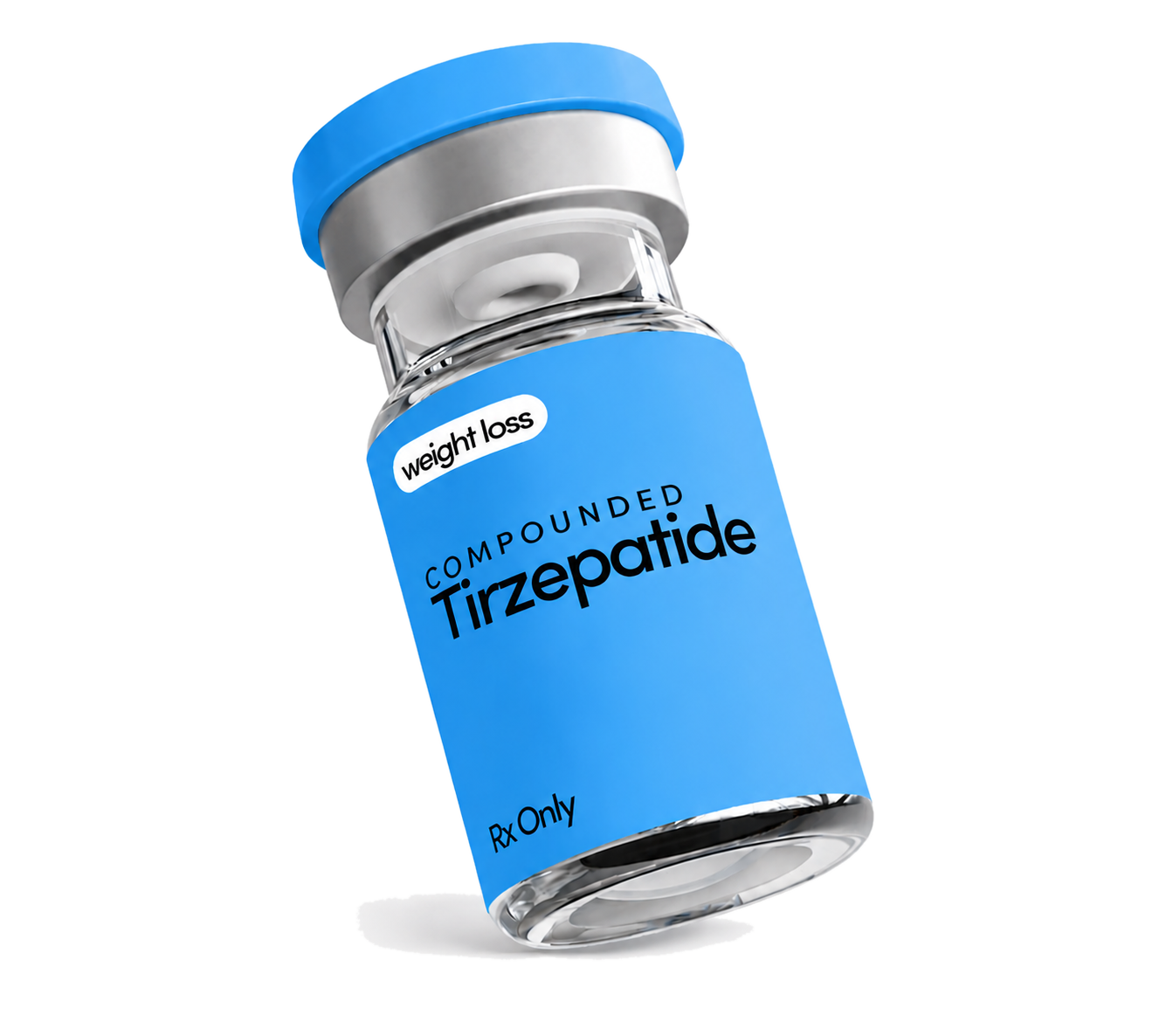
TirzepatideRx
Dual GLP-1 + GIP Receptor Agonist

Semaglutide ODT PillsRx
GLP-1 Receptor Agonist - Oral Dissolving Tablet

Tirzepatide ODT PillsRx
Dual GLP-1 + GIP Receptor Agonist - Oral Dissolving Tablet

Men's Complete Hair Growth PillRx
Minoxidil, Finasteride, Biotin

Men's Advanced Hair SprayRx
Minoxidil, Finasteride, Fluocinolone, Tretinoin

Women's Premium Hair SprayRx
Minoxidil, Tretinoin, Fluocinolone, Biotin, Melatonin

Women's Complete Hair Growth PillRx
Minoxidil, Vitamin E, Biotin
Written by Luma Meds Team
July 28, 2026 · 10 min read

Nausea is one of the most common concerns people have when starting a GLP-1 medication such as semaglutide.
The good news is that for many patients, nausea isn't constant. It tends to be more noticeable when treatment begins or after the dose is increased, and it often improves as the body adjusts.
Understanding why GLP-1 medications can cause nausea — and why that nausea often fades — can make the adjustment period a little easier to navigate.
GLP-1 medications affect several systems involved in appetite and digestion.
One of their effects is slowing gastric emptying, meaning food may leave the stomach more slowly. They also influence appetite and satiety pathways in the brain.
These effects can help people feel fuller after eating and remain satisfied for longer, but they can also contribute to gastrointestinal symptoms such as:
Nausea is therefore not an unusual response to GLP-1 treatment, particularly early in treatment.
GLP-1 medications are typically started at a low dose and gradually increased for a reason.
The digestive system and other GLP-1-responsive pathways need time to adjust to the medication.
When the dose increases, the medication's effects can become more noticeable. Some patients who felt completely comfortable at one dose may temporarily experience nausea after moving to the next.
Clinical studies with semaglutide have found that gastrointestinal side effects occur most frequently during or shortly after dose escalation.
That's why increasing the dose gradually can be an important part of making treatment more tolerable.
For many patients, the body gradually adapts to continued GLP-1 exposure.
One factor researchers have studied is tachyphylaxis — a reduction in the intensity of certain physiological responses after repeated exposure.
In other words, some of the digestive effects that feel particularly noticeable when treatment begins may become less pronounced as the body becomes accustomed to the medication.
Clinical trial data support this pattern.
An analysis of the STEP 1–3 semaglutide trials found that gastrointestinal side effects occurred most frequently during or shortly after dose escalation. Nausea, diarrhea, and vomiting generally became less prevalent later in treatment.
How long does a nausea episode last?
How long does a nausea episode last?
No.
Feeling sick isn't the goal of GLP-1 treatment, and experiencing more nausea does not necessarily mean someone will lose more weight.
Research examining semaglutide has found that gastrointestinal side effects explain only a small portion of the medication's weight-loss effects.
The appetite and metabolic effects of GLP-1 treatment can still occur without significant nausea.
You don't need to feel sick for the medication to be working.
Small changes in eating habits may make the adjustment period easier for some patients.
Because GLP-1 medications can increase feelings of fullness, continuing to eat the same portion sizes as before treatment may become uncomfortable.
Strategies commonly recommended for managing gastrointestinal symptoms include:
The goal isn't necessarily to eat as little as possible. It's to adjust eating habits to the changes in appetite and fullness that can occur during treatment.
A higher dose isn't always better if the side effects make it difficult to tolerate treatment.
If significant nausea develops after increasing a GLP-1 dose, a healthcare provider may determine that it makes sense to remain at the current dose longer, delay the next increase, return temporarily to a previous dose, or otherwise modify the treatment plan.
Dose escalation should be individualized rather than treated like a race toward the highest available dose.
Patients should speak with their healthcare provider before changing their prescribed dose or dosing schedule.
Some patients may need additional support.
When clinically appropriate, a healthcare provider may prescribe an anti-nausea medication for patients experiencing nausea during GLP-1 treatment.
However, anti-nausea medication shouldn't simply be used to mask significant or persistent symptoms so that someone can continue increasing their GLP-1 dose.
If nausea continues, the underlying treatment plan may need to be reassessed.
Mild, temporary nausea can occur during GLP-1 treatment, but severe or persistent symptoms shouldn't simply be ignored.
Contact a healthcare provider if nausea is significant, isn't improving, interferes with eating or drinking, or is accompanied by repeated vomiting.
When to seek prompt medical attention
When to seek prompt medical attention
Nausea is a common side effect of GLP-1 medications, but it is often most noticeable when treatment begins or the dose increases rather than being a permanent part of treatment.
Clinical research has found that gastrointestinal symptoms tend to occur most frequently during dose escalation and often become less prevalent as treatment continues.
Starting at a lower dose, increasing gradually, adjusting eating habits, and communicating with a healthcare provider when symptoms become difficult to tolerate can all play a role in making treatment more manageable.
At Luma Meds, eligible patients are evaluated by a licensed healthcare provider who can determine an appropriate treatment and dosing approach based on their individual needs.
Provider-reviewed GLP-1 programs
Complete a short online intake and a licensed provider will review your health history and goals to determine an appropriate treatment and dose-escalation approach — with anti-nausea support when clinically appropriate.
Start your online visitThis article is for educational purposes only and is not intended to provide medical advice, diagnosis, or treatment. Individual treatment decisions should be made with a licensed healthcare provider.
Share this article