Best Value
from$99/mo
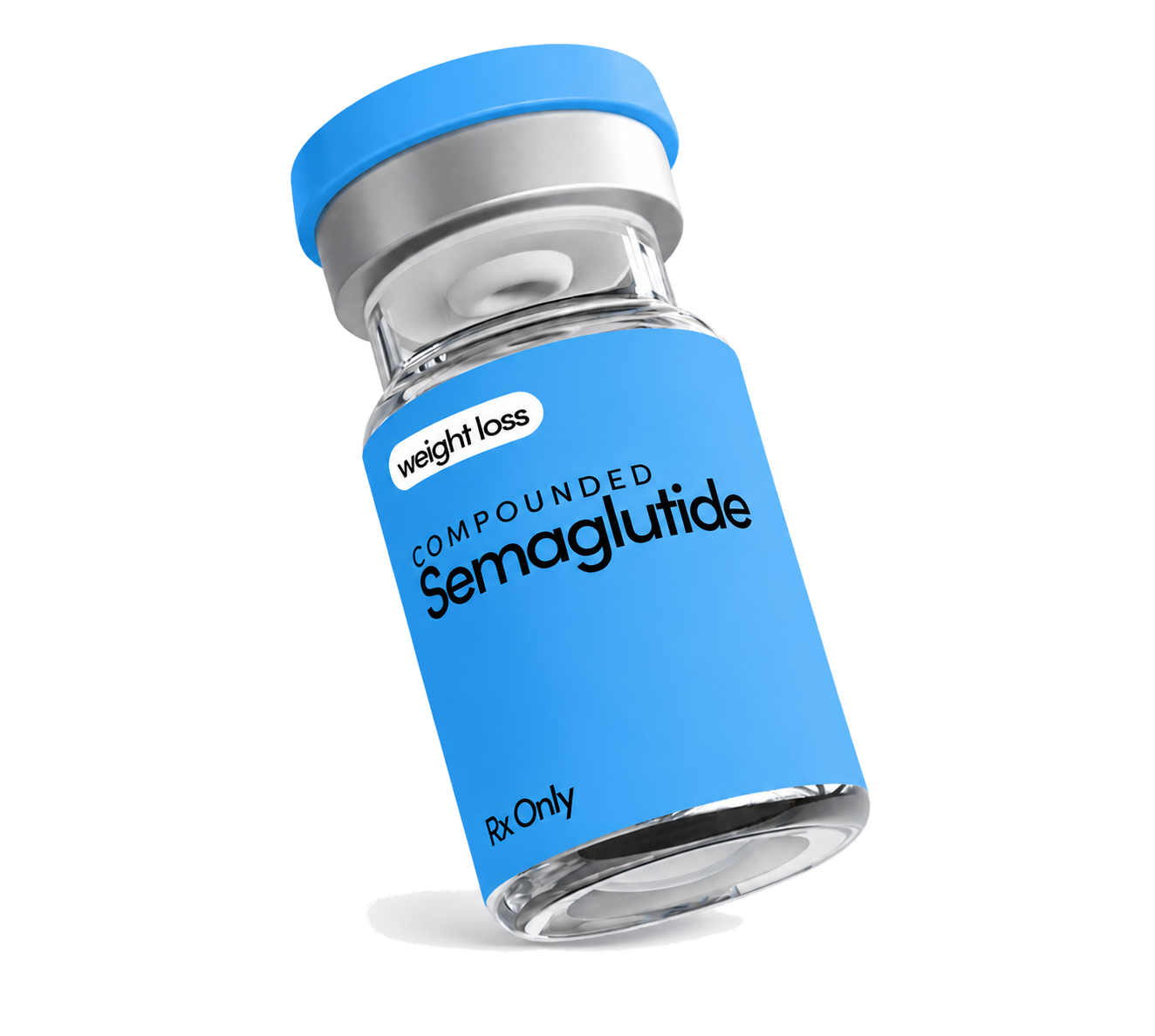
SemaglutideRx
GLP-1 Receptor Agonist
SemaglutideRx
GLP-1 Receptor Agonist
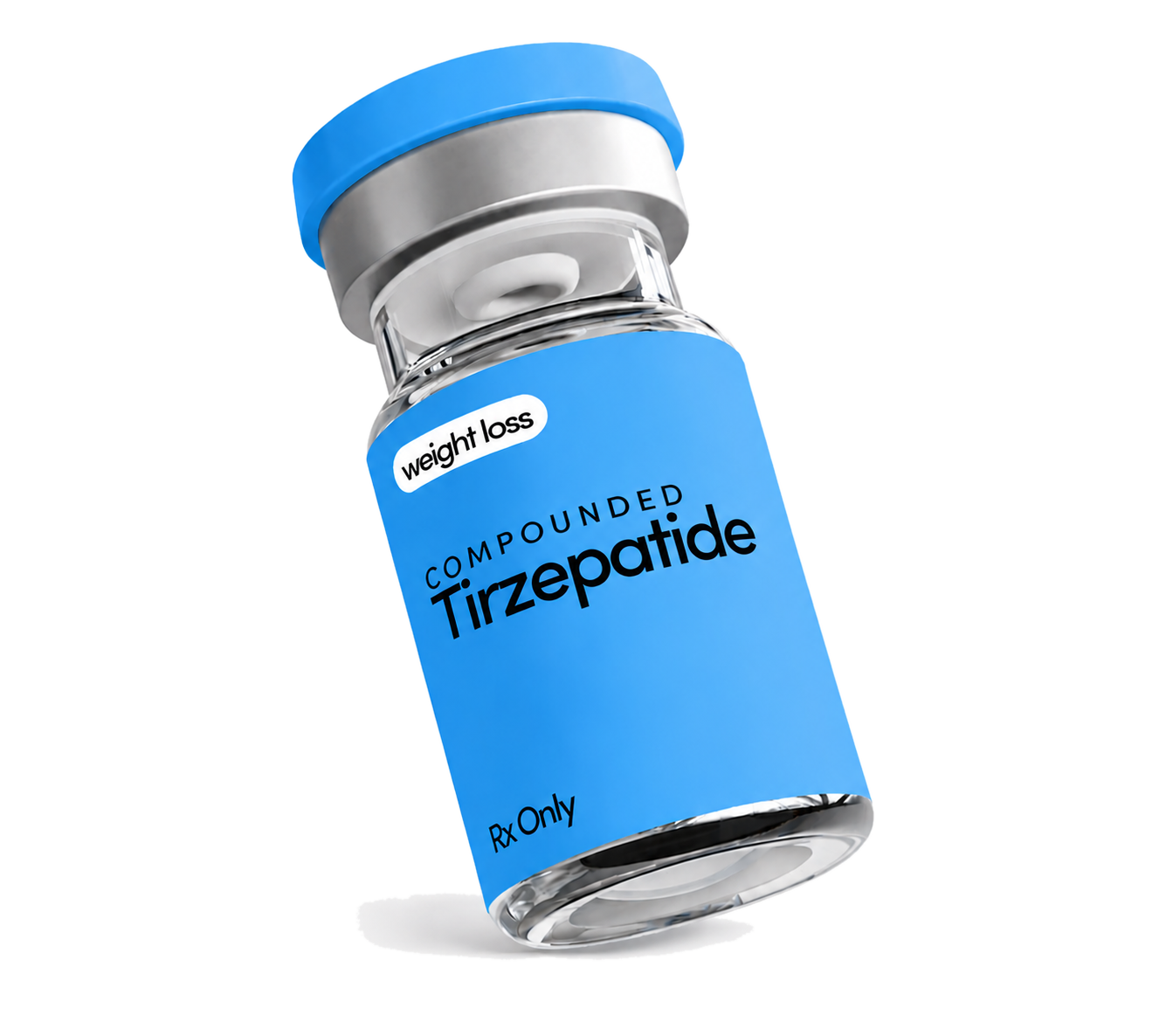
TirzepatideRx
Dual GLP-1 + GIP Receptor Agonist

Semaglutide ODT PillsRx
GLP-1 Receptor Agonist - Oral Dissolving Tablet

Tirzepatide ODT PillsRx
Dual GLP-1 + GIP Receptor Agonist - Oral Dissolving Tablet

Men's Complete Hair Growth PillRx
Minoxidil, Finasteride, Biotin

Men's Advanced Hair SprayRx
Minoxidil, Finasteride, Fluocinolone, Tretinoin

Women's Premium Hair SprayRx
Minoxidil, Tretinoin, Fluocinolone, Biotin, Melatonin

Women's Complete Hair Growth PillRx
Minoxidil, Vitamin E, Biotin
Written by Luma Meds Team
July 26, 2026 · 9 min read

Nausea is one of the most commonly discussed side effects of GLP-1 medications such as semaglutide.
For many people, it may be mild and temporary. For others, nausea can make the first few weeks of treatment — or a dose increase — more uncomfortable.
That's why some GLP-1 treatment programs may include access to ondansetron, a prescription anti-nausea medication, when a healthcare provider determines that it's appropriate.
But what exactly does ondansetron do, and why might it be used alongside a GLP-1 medication?
GLP-1 medications don't simply affect appetite.
They interact with pathways involved in appetite regulation, digestion, and blood sugar control. Semaglutide can also delay gastric emptying, meaning food may move out of the stomach more slowly.
That can contribute to feelings such as:
Gastrointestinal reactions are well-recognized with semaglutide, particularly around treatment initiation and dose escalation.
This is also one reason GLP-1 medications are generally introduced at a lower dose and gradually increased rather than immediately starting at a higher maintenance dose.
Ondansetron is a prescription medication that can help prevent or control nausea and vomiting.
It belongs to a group of medications called 5-HT3 receptor antagonists.
Serotonin is often associated with mood, but it also plays a role in digestion and the body's nausea and vomiting pathways.
Ondansetron blocks certain serotonin receptors, including 5-HT3 receptors, that can trigger nausea and vomiting.
The FDA has approved ondansetron to help prevent nausea and vomiting related to certain chemotherapy and radiation treatments, as well as after surgery.
Off-label use
Off-label use
The goal isn't to assume that everyone taking a GLP-1 medication will become nauseous.
Instead, having an anti-nausea option available may provide additional support for patients who experience nausea during treatment.
This may be particularly useful during periods when gastrointestinal symptoms are more likely to occur, such as:
| Situation | Why it matters |
|---|---|
| Starting treatment | The body is adjusting to the effects of a new medication. |
| Increasing the dose | Some patients notice gastrointestinal symptoms after moving to a higher dose. |
| Individual sensitivity | People respond differently — one person may have almost no nausea while another is considerably more sensitive. |
Ondansetron doesn't make the GLP-1 medication itself work better or increase weight loss. Its role is different: it may help manage nausea when clinically appropriate.
No.
Many patients won't need prescription nausea medication at all.
If nausea does occur, a healthcare provider may first consider its severity, how long it has lasted, the patient's current GLP-1 dose, hydration and food intake, and whether another medical issue could be contributing.
Depending on the situation, treatment may involve dietary adjustments, changing the pace of dose escalation, remaining at a lower dose longer, or prescribing medication for nausea.
The appropriate approach varies from patient to patient.
There's an important distinction here.
Anti-nausea medication shouldn't be used simply to push through significant side effects so that a patient can continue increasing their GLP-1 dose.
Persistent or severe nausea can sometimes be a sign that the current treatment or dose needs to be reassessed.
When to contact your provider
When to contact your provider
Ondansetron has been used clinically for decades, but like any prescription medication, it isn't appropriate for everyone.
Possible side effects include headache and constipation. Ondansetron can also prolong the QT interval, which can increase the risk of certain abnormal heart rhythms in susceptible patients.
Its FDA prescribing information specifically advises precautions for people with congenital long QT syndrome and certain other cardiac or electrolyte-related risk factors. Serotonin syndrome has also been reported, particularly when ondansetron is used alongside certain serotonergic medications.
That's why ondansetron should still be prescribed based on an individual's medical history and other medications.
Nausea can occur with GLP-1 medications, particularly when beginning treatment or increasing the dose.
Some GLP-1 programs therefore provide access to ondansetron as an additional tool for managing nausea when a healthcare provider considers it appropriate.
It isn't necessary for everyone, and it doesn't improve the weight-loss effects of a GLP-1 medication. Instead, it can provide additional symptom support for certain patients while they adjust to treatment.
At Luma Meds, treatment decisions — including whether anti-nausea support is appropriate — are made following evaluation by a licensed healthcare provider.
Needle-free option
Luma Meds compounds semaglutide and tirzepatide ODT tablets with ondansetron — an anti-nausea option built into the same dissolving tablet. No needles, prescribed online by licensed providers.
Explore Oral GLP-1 + OndansetronProvider-reviewed GLP-1 programs
Complete a short online intake and a licensed provider will review your health history and goals to determine whether GLP-1 treatment — and anti-nausea support like ondansetron — may be appropriate for you.
Start your online visitThis article is for educational purposes only and is not intended to provide medical advice, diagnosis, or treatment. Individual treatment decisions should be made with a licensed healthcare provider.
Share this article