Best Value
from$99/mo
SemaglutideRx
GLP-1 Receptor Agonist
SemaglutideRx
GLP-1 Receptor Agonist
TirzepatideRx
Dual GLP-1 + GIP Receptor Agonist
Semaglutide ODT PillsRx
GLP-1 Receptor Agonist - Oral Dissolving Tablet
Tirzepatide ODT PillsRx
Dual GLP-1 + GIP Receptor Agonist - Oral Dissolving Tablet
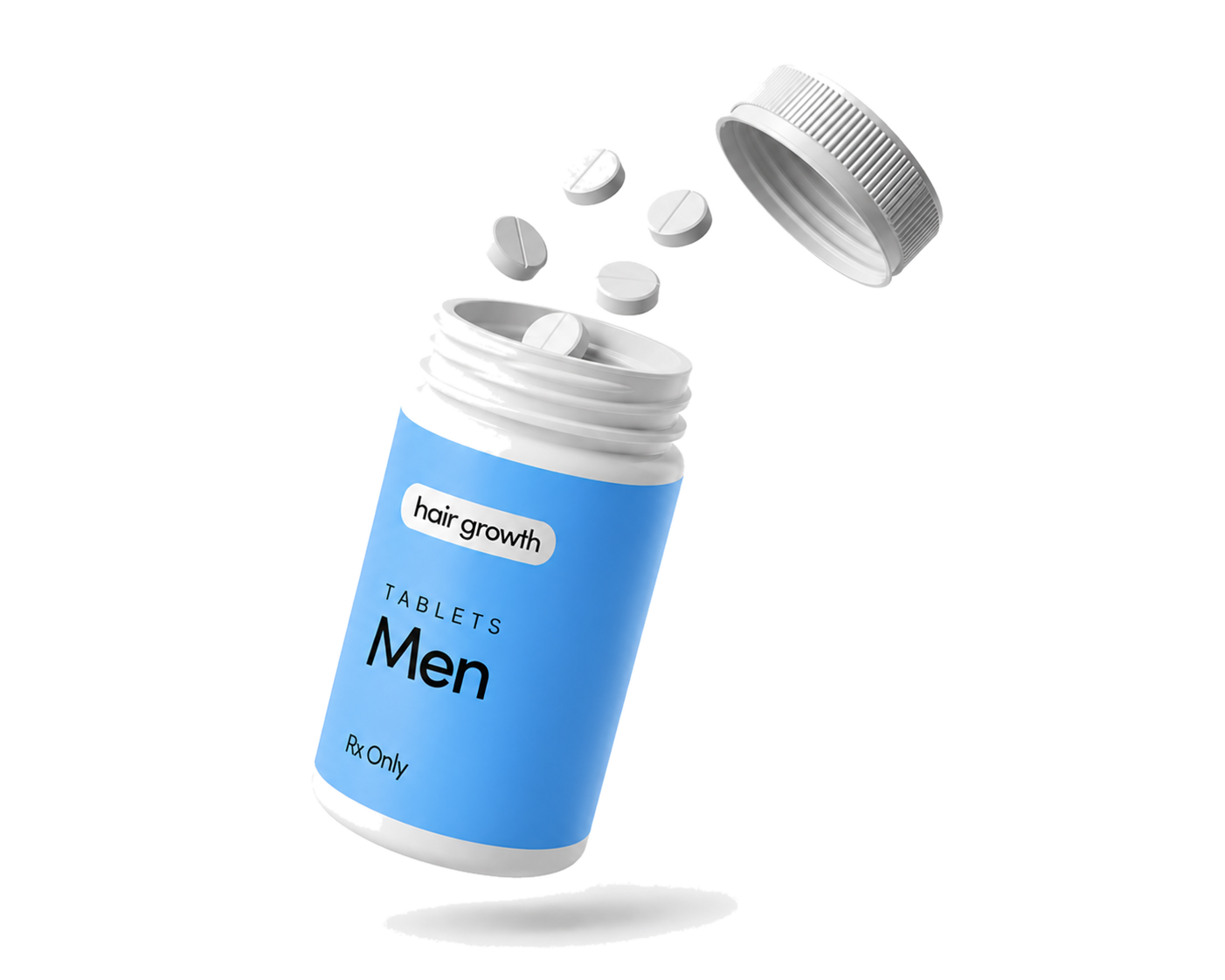
Men's Complete Hair Growth PillRx
Minoxidil, Finasteride, Biotin

Men's Advanced Hair SprayRx
Minoxidil, Finasteride, Fluocinolone, Tretinoin
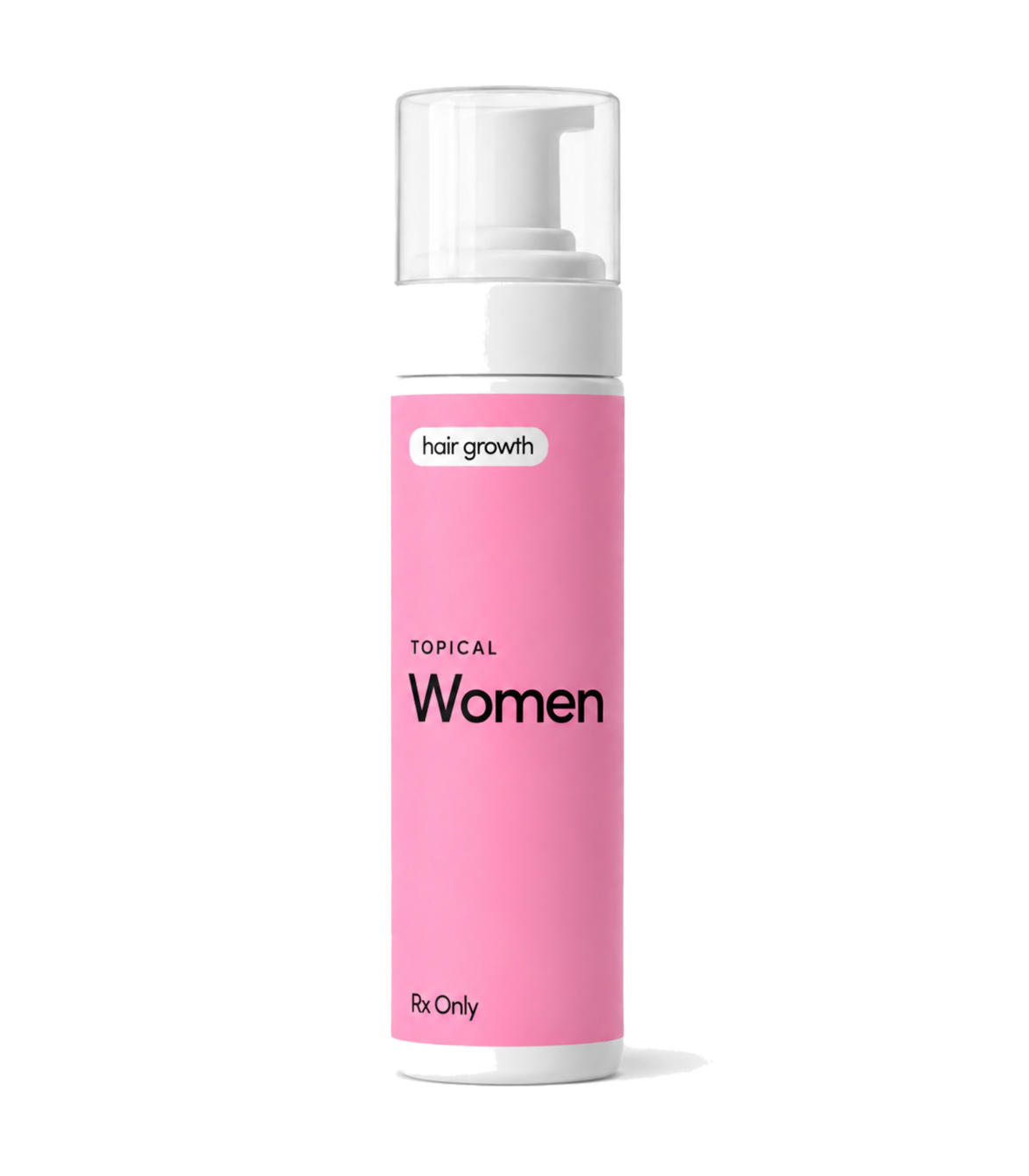
Women's Premium Hair SprayRx
Minoxidil, Tretinoin, Fluocinolone, Biotin, Melatonin
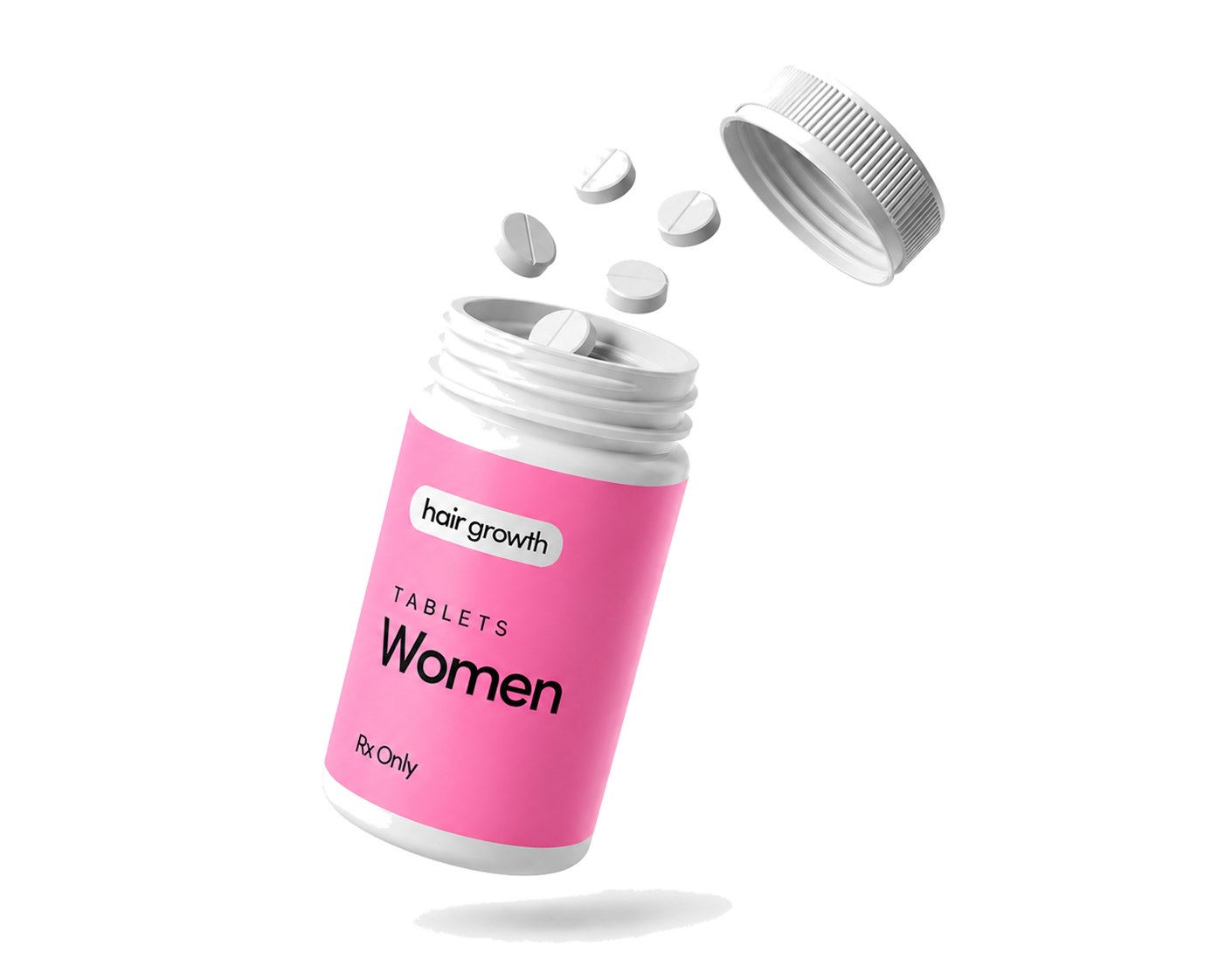
Women's Complete Hair Growth PillRx
Minoxidil, Vitamin E, Biotin
Written by Luma Meds Team
July 22, 2026 · 14 min read

What if you want the benefits of GLP-1 treatment — but really don't want to give yourself an injection every week?
For years, GLP-1 weight-loss treatment became almost synonymous with one thing: the weekly shot. Semaglutide. Tirzepatide. Injection pens. Syringes. Refrigerated medication.
But GLP-1 treatment isn't limited to injections. Oral options have changed the conversation for people who are interested in medical weight management but would strongly prefer to skip the needle.
So what's actually different? Does swallowing a pill change how the medication works? Are injections stronger? Is oral treatment easier? And most importantly: how do you know which option makes more sense for you? Let's break it down.
This is probably the most important thing to understand. Oral GLP-1 is a route of administration — not a specific drug.
These products aren't automatically interchangeable. Their formulations, dosages, absorption, administration instructions, clinical evidence, and FDA approval status can differ. So asking “are GLP-1 pills as good as injections?” is a little like asking “are tablets as good as shots?” It depends on exactly which medication and formulation you're comparing.
Let's start with the part patients notice first.
With oral GLP-1 treatment, medication is taken by mouth according to the instructions for that particular prescription. With injectable GLP-1 treatment, medication is injected under the skin — typically in areas such as the abdomen, thigh, or upper arm depending on the product instructions.
For many people, the injection becomes routine very quickly — the needles used for GLP-1 injections are generally small. But for someone with genuine needle anxiety? Small is still a needle. And that alone can make an oral option worth discussing.
Did you know?
Did you know?
Fear of needles isn't rare. Some people avoid vaccinations, bloodwork, dental procedures, and even medically necessary treatments because of needle anxiety.
So if someone is interested in GLP-1 treatment but knows that injecting themselves every week will become a major barrier to staying consistent, route of administration isn't a trivial preference. The treatment you can consistently follow may be more useful than the treatment you keep avoiding.
When a GLP-1 medication is injected subcutaneously, it's delivered into the fatty tissue beneath the skin. From there, the medication is absorbed into circulation.
This bypasses one major obstacle: the digestive tract. The medication doesn't have to survive your stomach and then cross the gastrointestinal tract before reaching circulation. That's one reason injectable peptide medications have historically been so common.
GLP-1 medications such as semaglutide are peptides. And your digestive system is very good at breaking peptides down.
That's normally useful. When you eat protein, your digestive system breaks it into smaller components that your body can absorb and use. But when the peptide itself is the medication? That's a problem. If too much of the medication is broken down before it can be absorbed, very little reaches circulation.
So oral peptide medications require specialized formulation strategies to help enough medication survive and become absorbed.
This is one of the biggest scientific differences between oral and injectable treatment. With an injection, the medication bypasses the gastrointestinal tract. With an oral medication, absorption has to occur through the digestive system.
That means factors such as the formulation, when you take it, food, water, other medications, and your individual gastrointestinal physiology may influence exposure depending on the product. That's why you should never assume 1 mg injected equals 1 mg swallowed. It doesn't.
This causes a lot of confusion online. Someone may see a higher milligram number on an oral medication and think, “Whoa. Why is my pill dose so much higher?”
Because oral and injectable doses aren't directly comparable. A medication taken by mouth may have very different bioavailability than one injected under the skin. Bioavailability simply describes how much of an administered medication reaches systemic circulation. Because the routes are different, the numbers printed on the prescriptions may also be very different.
Never convert an oral dose into an injectable dose — or vice versa — on your own.
Semaglutide has already demonstrated that a GLP-1 medication can be delivered orally. FDA-approved oral semaglutide tablets have specific instructions designed around how the medication is absorbed. Depending on the approved formulation, patients are instructed to take the tablet:
Those instructions aren't random. They're part of how the formulation achieves adequate drug exposure. That's an important difference from simply swallowing an ordinary tablet whenever you remember.
In some ways, absolutely. No injection. No syringe. No injection-site routine. No remembering where you injected last week. No carrying sharps supplies. For someone who travels frequently or dislikes injections, an oral option can feel much more familiar: take medication, continue your day.
But there's another side. Oral treatment may require more frequent dosing. A weekly injection is once every seven days; some oral formulations may be taken every day. So the convenience question becomes personal: would you rather take a pill more frequently, or give yourself one injection per week? Different patients will give completely different answers.
| Oral GLP-1 | Weekly Injection | |
|---|---|---|
| Needle required | No | Yes |
| Taken by mouth | Yes | No |
| Typical frequency | Depends on formulation; often daily | Commonly weekly |
| GI absorption involved | Yes | No |
| Food/water timing may matter | Depending on formulation | Generally less relevant to administration |
| Injection-site reactions | No | Possible |
| Travel with needles/sharps | No | May be necessary |
| Needle anxiety | Avoided | Can be a barrier |
| Dose directly comparable across routes | No | No |
| Prescription required | Yes | Yes |
This is probably what you actually came here to find out: can an oral GLP-1 produce meaningful weight loss?
Oral semaglutide has demonstrated substantial weight-loss potential in clinical research. In the OASIS 1 trial, adults with overweight or obesity without type 2 diabetes received investigational oral semaglutide 50 mg once daily alongside lifestyle intervention. After 68 weeks, average body-weight reduction was approximately 15.1% with oral semaglutide, compared with 2.4% with placebo.
That's substantial. It also demonstrated something important: GLP-1 weight management doesn't inherently require an injection to produce clinically meaningful results.
Those results apply to that specific oral semaglutide formulation, dose, and clinical-trial protocol. They don't prove that every medication advertised online as “oral semaglutide,” “sublingual semaglutide,” or “semaglutide ODT” will produce the same results.
Formulation matters. Dose matters. Absorption matters. And whether a product has actually been studied matters. You can't transfer clinical-trial percentages from one formulation onto a completely different formulation just because both involve semaglutide.
Compounded oral GLP-1 formulations may be prescribed for individual patients when a licensed healthcare provider determines that a customized medication is medically appropriate and the prescription is prepared by a pharmacy operating within applicable compounding requirements.
Compounding is an established part of pharmacy practice. It can help provide individualized treatment options when a patient needs a specific dosage form, strength, combination, or route of administration that may not be available as a commercially manufactured product. For some patients, an oral formulation may offer a more comfortable and practical alternative to injections — particularly for those with needle anxiety, difficulty with self-injection, or lifestyle needs that make oral administration easier to follow.
At the same time, compounded medications are not FDA approved. This means the FDA has not reviewed the finished compounded product before marketing for safety, effectiveness, or quality in the same way it reviews an FDA-approved drug product. That distinction is important, but it does not mean compounded treatment is inherently inappropriate or unethical. When prescribed for an individual patient, prepared by a qualified pharmacy, and monitored by a licensed healthcare provider, compounding can be a legitimate and patient-centered option.
Patients should feel comfortable asking:
The key is to understand that a compounded oral GLP-1 is a customized prescription — not automatically identical to an FDA-approved tablet or injectable product. The formulation matters, and so does the quality of the care surrounding it.
You may also come across the term ODT, which stands for orally disintegrating tablet. Instead of swallowing a conventional tablet whole, an ODT is designed to disintegrate in the mouth. For some patients, this can make medication administration more convenient.
But here's another important distinction: ODT doesn't automatically mean FDA approved. And it doesn't automatically mean the medication has the same absorption or clinical evidence as another oral semaglutide formulation. If you're prescribed a compounded ODT formulation, follow the instructions provided specifically for that prescription.
You can't accurately answer this with a universal yes or no. The evidence depends on the actual medications and formulations being compared.
Injectable semaglutide has extensive clinical evidence for chronic weight management. Injectable tirzepatide has also demonstrated substantial weight reduction and, in a head-to-head obesity trial, produced greater average weight reduction than injectable semaglutide. Oral semaglutide has demonstrated substantial weight reduction in clinical trials as well. But that doesn't mean every oral product can be assumed equivalent to an injection. Route matters — but formulation matters just as much.
Changing the route doesn't eliminate the pharmacologic effects of GLP-1 treatment. Common side effects associated with GLP-1 medications can include:
These effects are related largely to what the medication is doing in the body — not simply whether it entered through your stomach or through an injection. Choosing a pill doesn't automatically mean choosing a side-effect-free GLP-1.
One area where oral treatment has an obvious advantage: no injection means no injection-site reaction. Injectable medications can occasionally cause redness, itching, tenderness, irritation, or other reactions around the injection site. If there's no injection, there's no injection site. Simple enough.
Nausea is one of the most recognizable GLP-1 side effects. It can occur with both oral and injectable treatment. Your experience may depend on the medication, dose, how quickly your dose increases, meal size, food choices, hydration, and individual sensitivity.
Some compounded oral formulations may also be prescribed with additional ingredients based on an individual's clinical needs. If your formulation contains more than one medication, make sure you understand what each ingredient is and why it was prescribed. More ingredients don't automatically mean a better formulation.
This is where oral treatment can really stand out for the right patient. Imagine you're traveling. With an oral medication, you may simply need to bring your medication and follow its storage and administration instructions. With an injectable medication, depending on the product and length of travel, you may need to think about storage requirements, needles, syringes or pens, sharps disposal, and travel logistics.
For many patients, that's completely manageable. For others? They'd rather take the pill. And that's a perfectly reasonable factor to discuss when choosing treatment.
But weekly injections have their own convenience advantage: you don't have to remember them every day. Take your medication once, then you're done until next week. For someone who already forgets vitamins, supplements, or daily prescriptions, a weekly routine can actually feel easier than oral treatment. So “pill = easier administration” doesn't always mean “pill = easier routine.” Consistency matters.
An oral option may be particularly attractive if you strongly dislike needles, have anxiety around self-injection, prefer taking medication by mouth, don't want to handle syringes or sharps, travel frequently, or know injections would become a barrier to staying consistent — provided an appropriate oral treatment is available and medically appropriate.
And if fear of needles is strong enough that you'll delay doses, skip treatment, or avoid starting altogether, tell your healthcare provider. There may be another appropriate treatment route worth discussing. Your preferences are part of your treatment plan too.
An injectable option may be attractive if you don't mind self-injection, prefer once-weekly dosing, don't want to remember medication every day, want an FDA-approved injectable option with established weight-management evidence, or your healthcare provider believes an injectable medication better fits your goals and medical history. Neither preference is strange. They're simply different ways of receiving treatment.
Potentially, depending on the medications involved and your healthcare provider's recommendation. But don't convert the doses yourself. Oral and injectable formulations can have dramatically different doses because absorption and exposure differ.
Your provider needs to determine when the previous medication should stop, when the new medication should begin, what dose is appropriate, and whether titration is needed. The fact that both medications may involve a GLP-1 pathway doesn't make their milligram doses interchangeable.
Instead of asking “are pills better than injections?”, ask: “which treatment can I realistically stay consistent with?”
Because GLP-1 treatment isn't something you take once and forget about. Medical weight management generally requires consistency over time. A medication can have incredible clinical-trial results. But if you hate your treatment routine so much that you don't follow it? Those numbers don't mean very much. Convenience isn't superficial when convenience affects consistency.
Oral and injectable GLP-1 treatments can both play a role in modern medical weight management. But they're not simply the same medication in two different containers.
Oral GLP-1 treatment may eliminate needles and injection supplies and can offer a more familiar route for patients who prefer medication by mouth. Weekly injectable GLP-1 treatment bypasses gastrointestinal absorption and can offer the convenience of dosing only once per week with certain medications.
The important part? Don't assume one oral formulation is equivalent to another — or that an oral product automatically produces the same results as an injectable product. Formulation matters. Dose matters. Absorption matters. Clinical evidence matters. And the person taking it matters.
So if you've been interested in GLP-1 treatment but the idea of injections has been holding you back: the needle may no longer have to be the end of the conversation. Ask your healthcare provider whether an appropriate oral treatment option exists for you. Because ultimately, the best treatment isn't just the one that looks impressive in a clinical trial. It's one that's medically appropriate — and realistic enough to fit into your life.
Needle-free option
Luma Meds compounds semaglutide and tirzepatide ODT tablets with ondansetron — an anti-nausea option built into the same dissolving tablet. No needles, prescribed online by licensed providers.
Explore Oral GLP-1 + OndansetronNeedle-free GLP-1 options
Luma Meds offers provider-reviewed oral semaglutide and tirzepatide ODT programs — including formulations with ondansetron for nausea support. Complete a short online intake to see if oral treatment is right for you.
Start your online visitThis article is for educational purposes only and is not intended to provide medical advice, diagnosis, or treatment. Individual treatment decisions should be made with a licensed healthcare provider.
Share this article