Best Value
from$99/mo
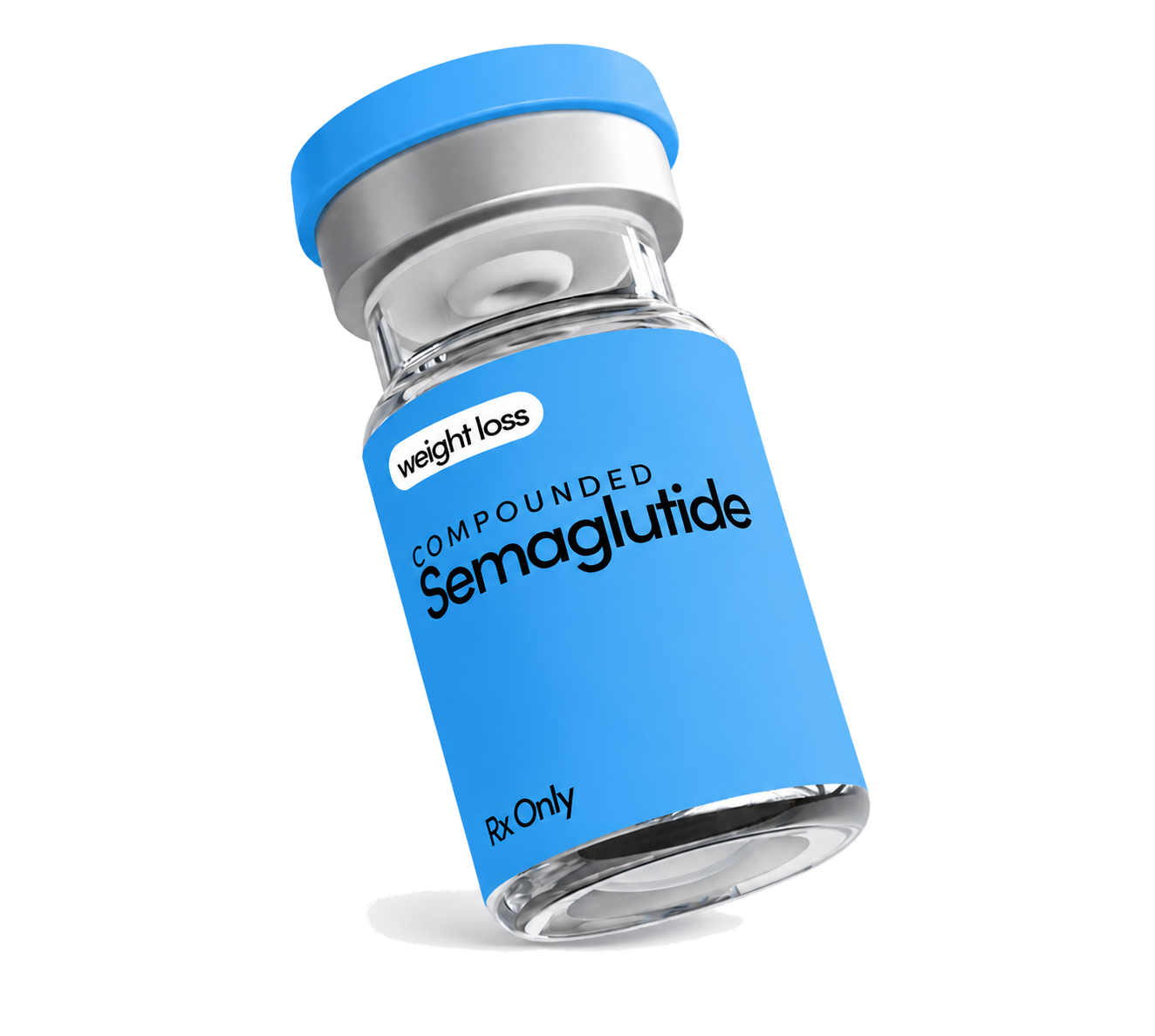
SemaglutideRx
GLP-1 Receptor Agonist
SemaglutideRx
GLP-1 Receptor Agonist
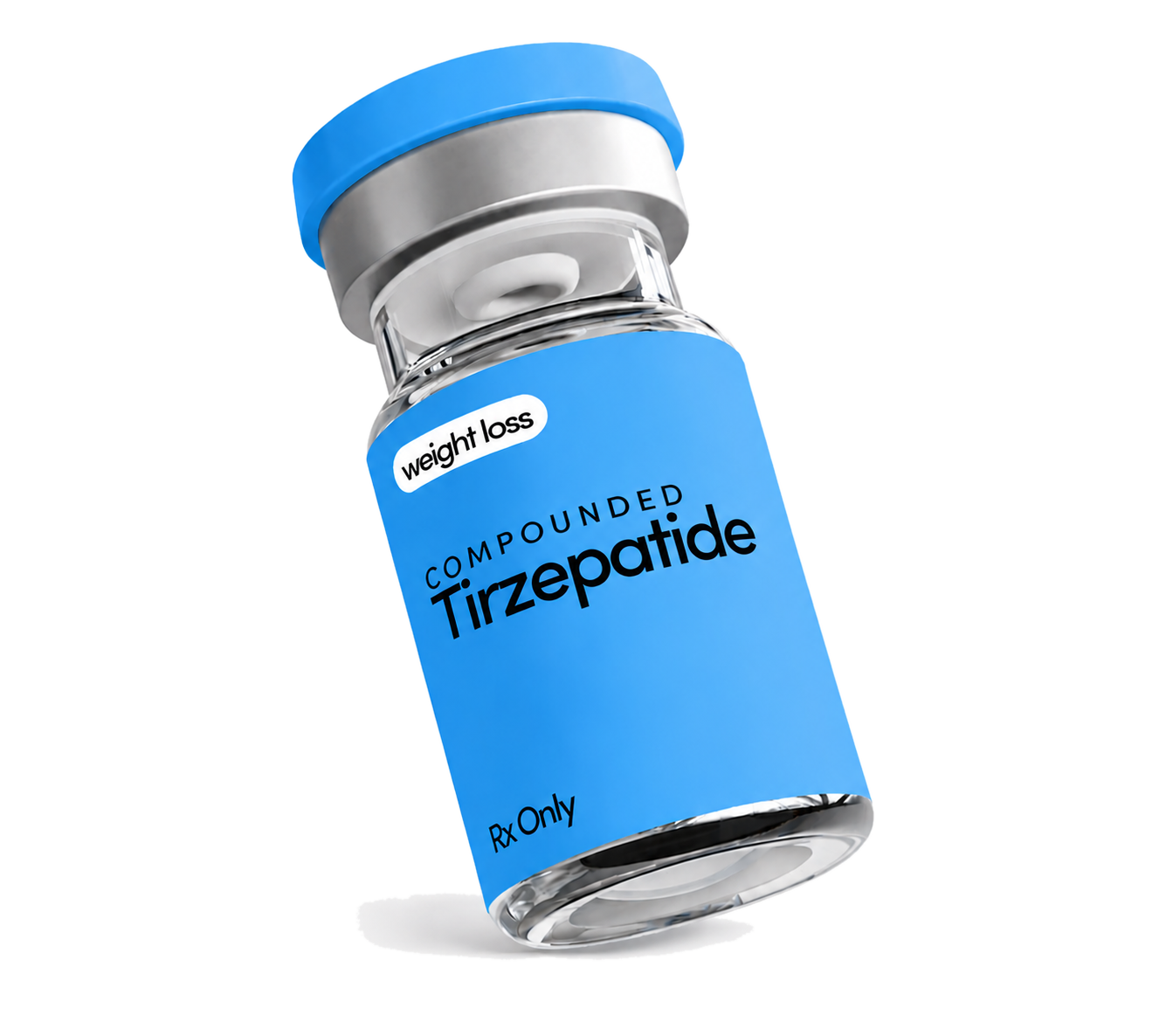
TirzepatideRx
Dual GLP-1 + GIP Receptor Agonist
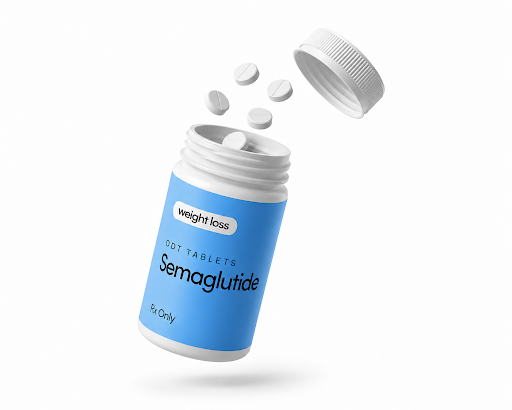
Semaglutide ODT PillsRx
GLP-1 Receptor Agonist - Oral Dissolving Tablet
Tirzepatide ODT PillsRx
Dual GLP-1 + GIP Receptor Agonist - Oral Dissolving Tablet
Men's Complete Hair Growth PillRx
Minoxidil, Finasteride, Biotin
Men's Advanced Hair SprayRx
Minoxidil, Finasteride, Fluocinolone, Tretinoin
Women's Premium Hair SprayRx
Minoxidil, Tretinoin, Fluocinolone, Biotin, Melatonin
Women's Complete Hair Growth PillRx
Minoxidil, Vitamin E, Biotin
Written by Luma Meds Team
August 11, 2026 · 11 min read

Glutathione and vitamin C are two of the most recognizable antioxidants in health and wellness.
Both help protect cells from oxidative stress. Both play roles in immune function. And both are commonly used in supplements and wellness treatments.
But glutathione and vitamin C aren't the same thing — and one isn't simply a stronger version of the other.
They work differently within the body and can actually interact as part of a larger antioxidant defense system. Here's how they compare.
Glutathione is an antioxidant your body naturally produces.
It's made from three amino acids:
Glutathione is found throughout the body and is especially important inside cells. It helps neutralize reactive molecules, participates in normal cellular defense systems, and supports processes the liver uses to handle certain compounds.
Your body can also recycle glutathione between different forms, allowing it to participate repeatedly in antioxidant reactions.
Vitamin C, also known as ascorbic acid, is an essential water-soluble vitamin.
Unlike glutathione, humans can't make vitamin C on their own. We need to obtain it through food or supplementation. Vitamin C is found naturally in foods such as:
Vitamin C has several important functions beyond its antioxidant activity. It's involved in collagen production, immune function, wound healing, iron absorption, and the production of certain neurotransmitters.
Although they're both antioxidants, their roles aren't identical.
| Glutathione | Vitamin C | |
|---|---|---|
| What is it? | Antioxidant made from three amino acids | Essential water-soluble vitamin |
| Made by the body? | Yes | No |
| Main source | Produced inside cells | Food and supplements |
| Antioxidant role | Major intracellular antioxidant system | Water-soluble antioxidant |
| Supports immune function? | Yes | Yes |
| Involved in collagen production? | Not a primary role | Yes |
| Supports iron absorption? | Not a primary role | Yes |
| Involved in liver detoxification pathways? | Yes | Primarily supports antioxidant defenses |
| Can be supplemented? | Yes | Yes |
The easiest way to think about the difference is:
Vitamin C is an antioxidant nutrient your body needs from your diet. Glutathione is an antioxidant system your body largely produces and maintains within its own cells.
Yes.
The body's antioxidant defenses don't operate independently. Instead, antioxidants interact as part of a larger network.
Vitamin C and glutathione can influence one another through oxidation-reduction reactions involved in maintaining cellular antioxidant balance. Research has also found that vitamin C supplementation may influence glutathione levels under certain circumstances.
For example, controlled human research has shown increases in red blood cell glutathione following vitamin C supplementation in individuals with relatively low vitamin C intake.
That doesn't mean vitamin C simply “turns into” glutathione. Rather, the two participate in interconnected antioxidant systems.
There isn't a particularly useful answer to this question.
Calling one antioxidant “stronger” ignores the fact that they perform different jobs in different environments.
Glutathione is particularly important inside cells and participates in reactions involving enzymes such as glutathione peroxidase and glutathione S-transferases. Vitamin C is a water-soluble antioxidant that can act in bodily fluids and cellular environments while also performing several functions unrelated to glutathione.
The body benefits from having both. It's less like choosing between two competing products and more like having different parts of the same defense system.
Both are involved in normal immune function.
Vitamin C contributes to several aspects of innate and adaptive immunity and accumulates in certain immune cells. Glutathione also helps maintain the redox environment needed for normal immune-cell function.
Neither is an immune “booster”
Neither is an immune “booster”
Neither antioxidant should be thought of as a treatment that simply “boosts” the immune system beyond normal function. Adequate nutrition, sleep, physical activity, and overall health remain important parts of supporting immune function.
This is another reason glutathione and vitamin C are frequently compared.
Vitamin C and skin. Vitamin C plays a well-established role in collagen synthesis — collagen is a major structural protein in the skin. Vitamin C also provides antioxidant protection against oxidative stress.
Glutathione and skin. Glutathione has attracted attention for its antioxidant activity and potential effects on pigmentation. It can influence pathways involved in melanin production, which has led researchers to investigate oral and topical glutathione for changes in skin pigmentation and appearance.
Some small clinical studies have reported changes in skin pigmentation with glutathione supplementation, but results vary and research remains more limited than many online claims suggest.
So while both antioxidants are associated with skin health, they aren't doing exactly the same job.
Glutathione is frequently marketed as a “detox” treatment. The reality is more specific.
Your liver already has sophisticated systems for processing and eliminating many substances. Glutathione participates in some of these processes by helping enzymes attach glutathione to certain compounds, making them easier for the body to process and eliminate.
Vitamin C also supports antioxidant defenses but doesn't serve the same role in these glutathione-dependent pathways.
So it is reasonable to say that glutathione participates in the body's natural detoxification processes. It's less accurate to claim that glutathione or vitamin C broadly “flushes toxins” from the body.
Potentially.
Because vitamin C and glutathione interact within the antioxidant network, maintaining adequate vitamin C intake may help support glutathione status. Human research has found that vitamin C supplementation can increase glutathione concentrations in some circumstances.
But this doesn't mean taking increasingly large doses of vitamin C will continue raising glutathione indefinitely. Once nutritional needs are met, more isn't automatically better.
They are commonly consumed together through normal diets and supplements.
There isn't an inherent reason most healthy people need to choose one antioxidant and completely avoid the other. In fact, their biological interaction is one reason they're sometimes combined in antioxidant-focused supplements and wellness formulations.
However, supplementation should still take into account:
This is especially important with high-dose supplementation or non-oral routes of administration.
Wellness
Complete a quick online visit and a licensed provider can review your wellness goals to determine whether glutathione treatment may be appropriate for you.
Start your wellness visitIt depends on what you're trying to accomplish.
Someone simply trying to maintain adequate vitamin C intake can often do so through a diet rich in fruits and vegetables. Someone interested specifically in glutathione may instead focus on supporting the body's natural glutathione production or discuss glutathione supplementation with a healthcare provider.
The two aren't mutually exclusive. And because they perform different biological functions, choosing between them based solely on which one is supposedly the “stronger antioxidant” doesn't tell you very much.
Yes. A balanced diet can support both vitamin C intake and your body's own glutathione production.
For vitamin C, include foods such as:
To support glutathione production, adequate protein is important because the body needs amino acids — particularly cysteine — to synthesize glutathione. Foods containing sulfur compounds, including broccoli, cauliflower, cabbage, garlic, and onions, may also support antioxidant defense pathways.
Regular exercise, adequate sleep, avoiding smoking, and limiting excessive alcohol can further support the body's overall antioxidant systems.
Glutathione and vitamin C are both important antioxidants, but they aren't interchangeable.
Vitamin C is an essential nutrient that must come from the diet. It supports antioxidant defenses, collagen production, immune function, and iron absorption.
Glutathione is produced naturally inside the body from amino acids and serves as one of the body's major intracellular antioxidant systems. It also participates in normal liver and cellular detoxification pathways.
And rather than competing with each other, vitamin C and glutathione can work as part of an interconnected antioxidant network.
For most people, the goal shouldn't be deciding which antioxidant is “better.” It's supporting the body's overall antioxidant defenses through good nutrition and healthy lifestyle habits — and considering supplementation or other wellness treatments based on individual needs.
At Luma Meds, eligible patients can discuss their wellness goals and available treatment options with a licensed healthcare provider to determine whether an available approach may be appropriate for their individual needs.
This article is for educational purposes only and is not intended to provide medical advice, diagnosis, or treatment. Individual treatment decisions should be made with a licensed healthcare provider.
Share this article