Most Popular
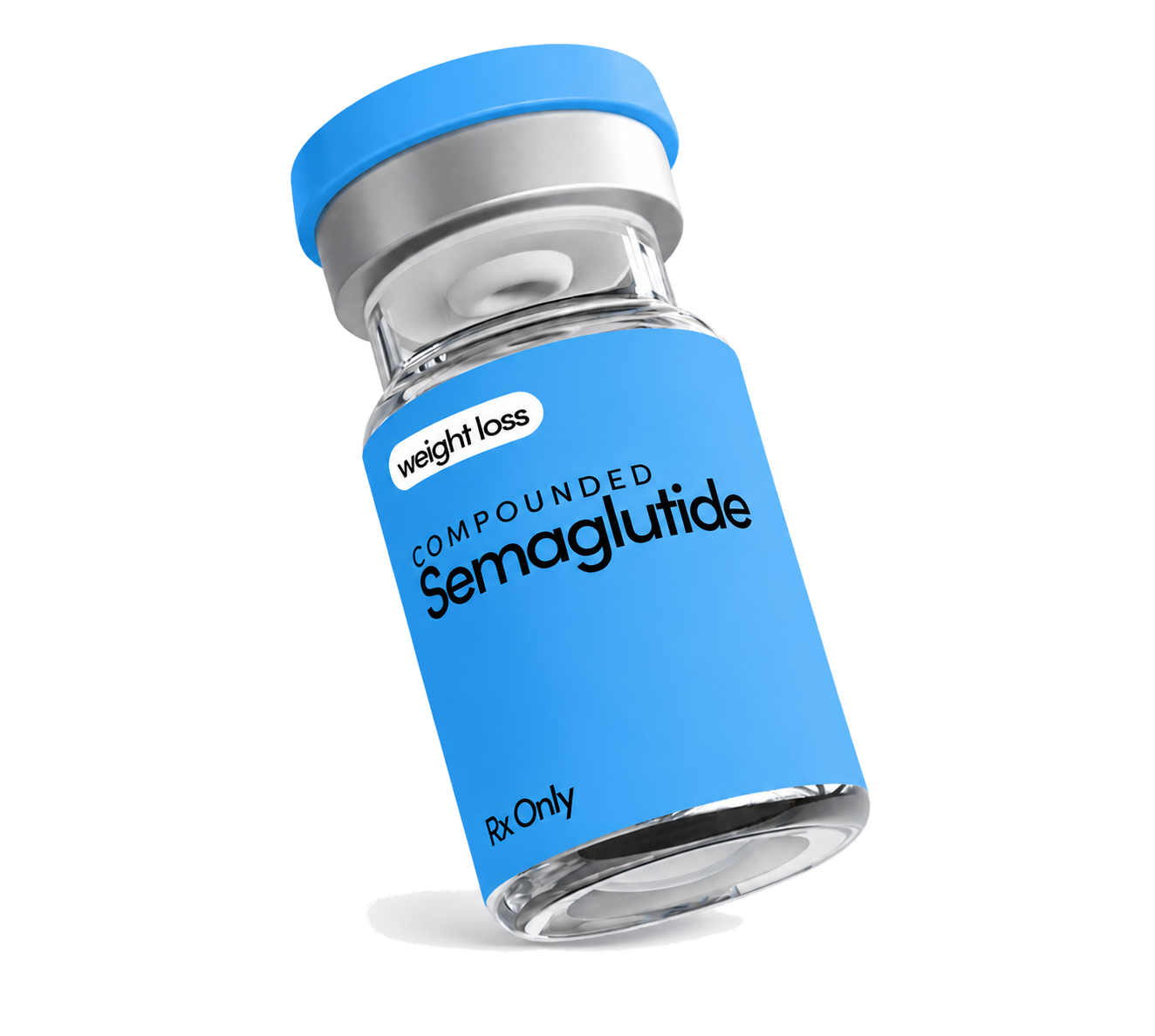
from$139.99/mo
SemaglutideRx
GLP-1 Receptor Agonist
SemaglutideRx
GLP-1 Receptor Agonist
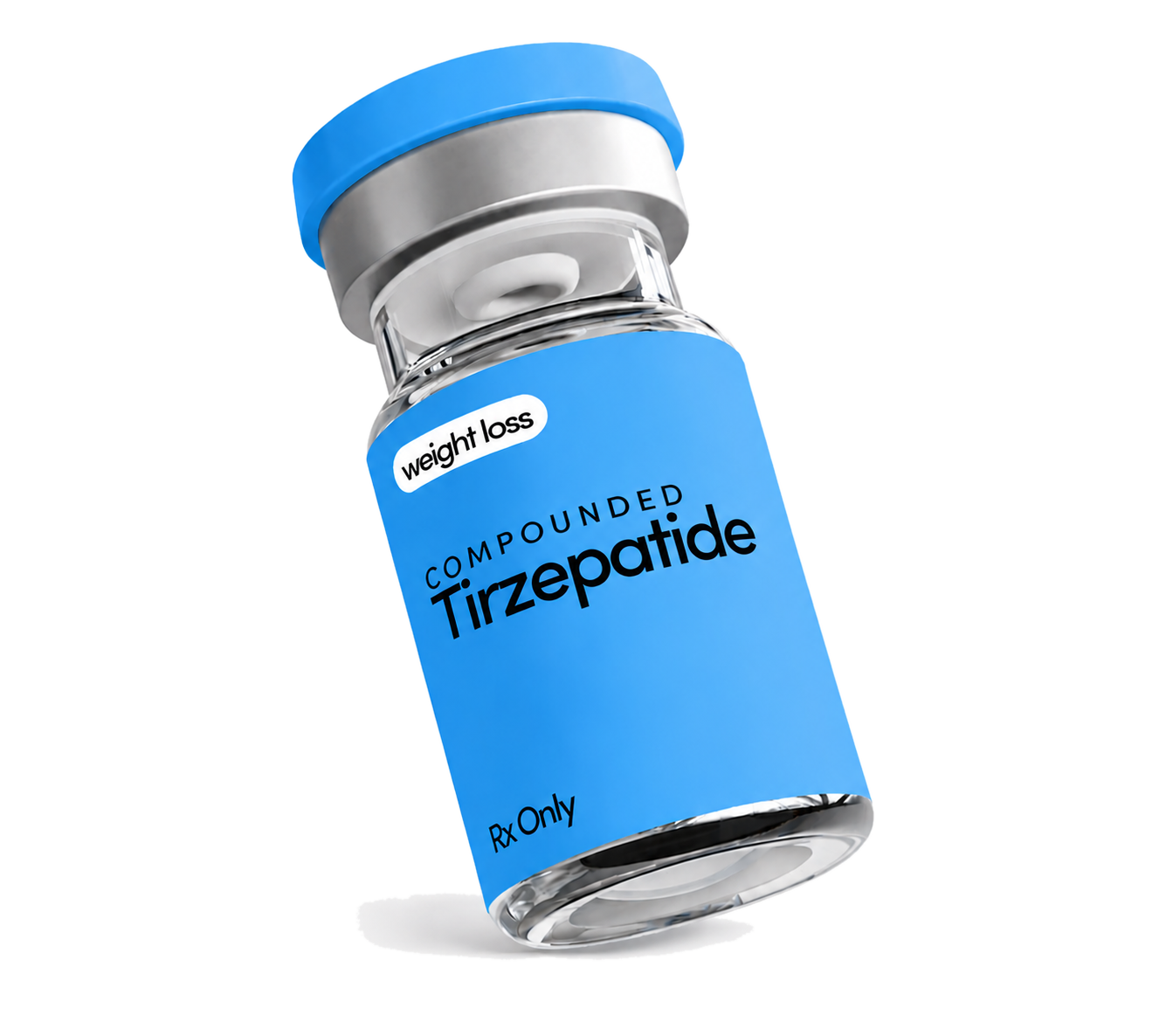
TirzepatideRx
Dual GLP-1 + GIP Receptor Agonist
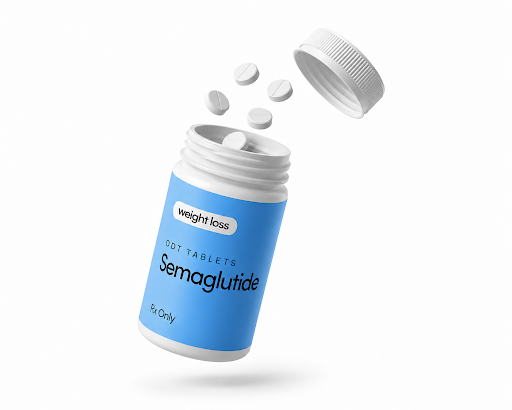
Semaglutide ODT PillsRx
GLP-1 Receptor Agonist - Oral Dissolving Tablet
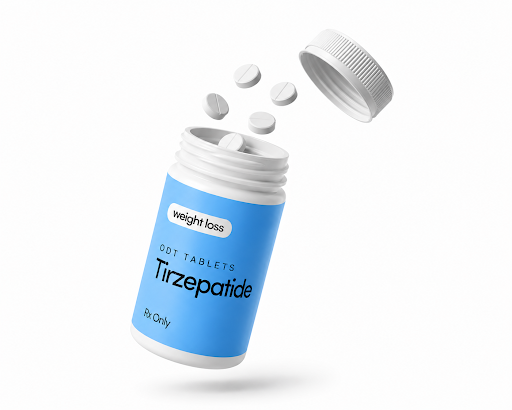
Tirzepatide ODT PillsRx
Dual GLP-1 + GIP Receptor Agonist - Oral Dissolving Tablet
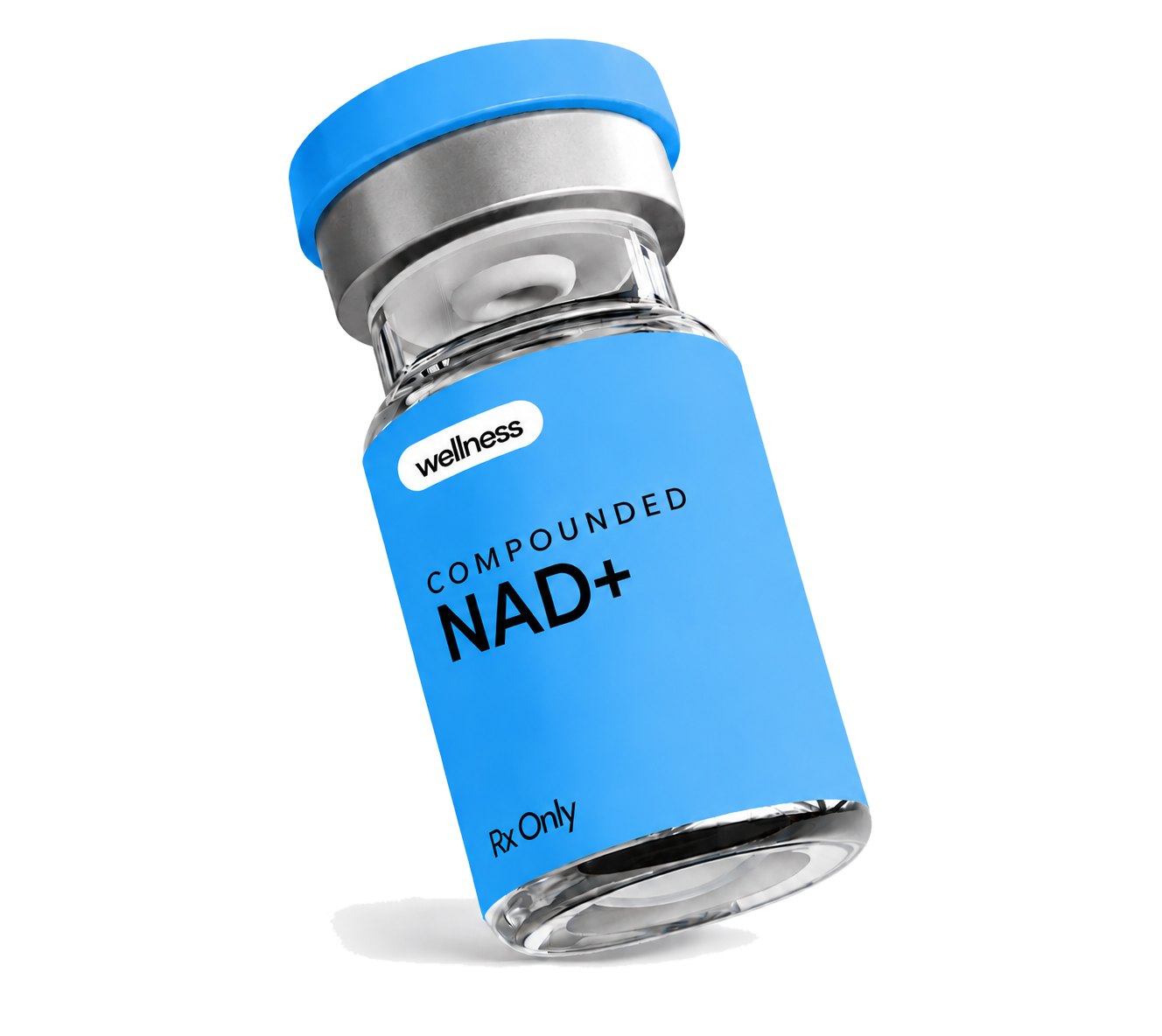
NAD+Rx
Energy, Focus, Recovery
SermorelinRx
Recovery, Sleep, Vitality
GlutathioneRx
Skin, Immunity, Wellness
Lipo-B (MIC + B12)Rx
Energy, Metabolism, Wellness
Men's Complete Hair Growth PillRx
Minoxidil, Finasteride, Biotin
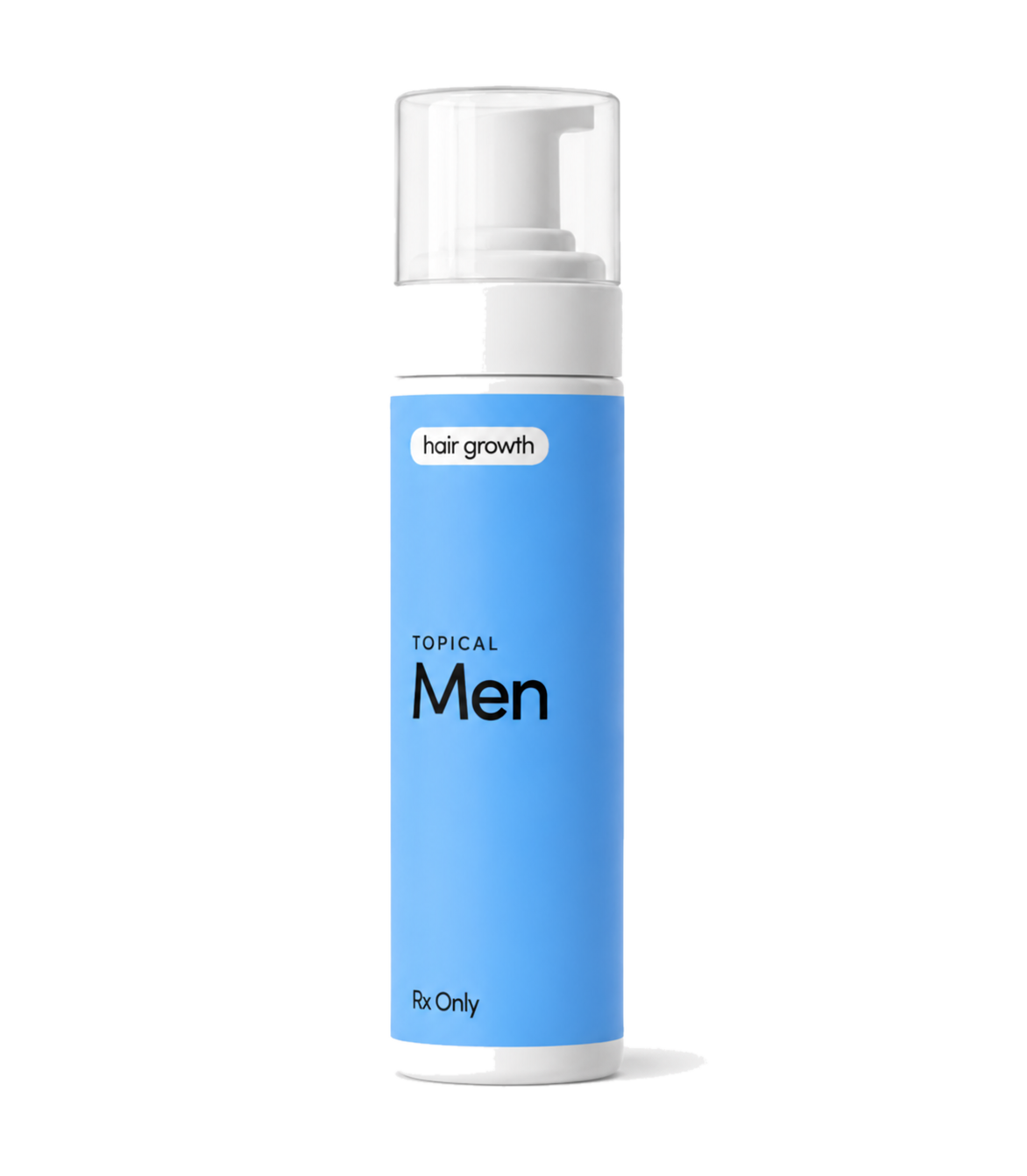
Men's Advanced Hair SprayRx
Minoxidil, Finasteride, Fluocinolone, Tretinoin
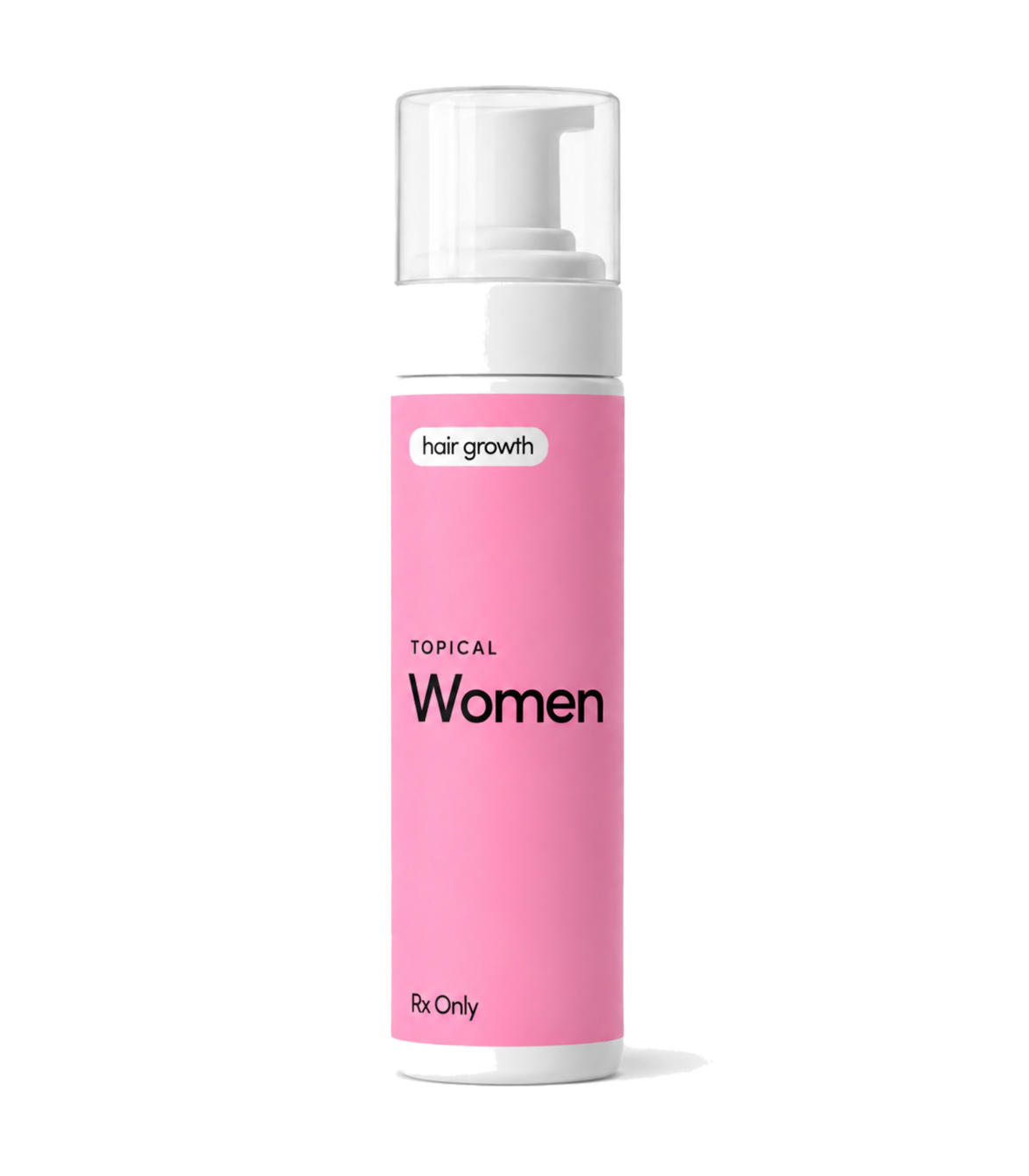
Women's Premium Hair SprayRx
Minoxidil, Tretinoin, Fluocinolone, Biotin, Melatonin
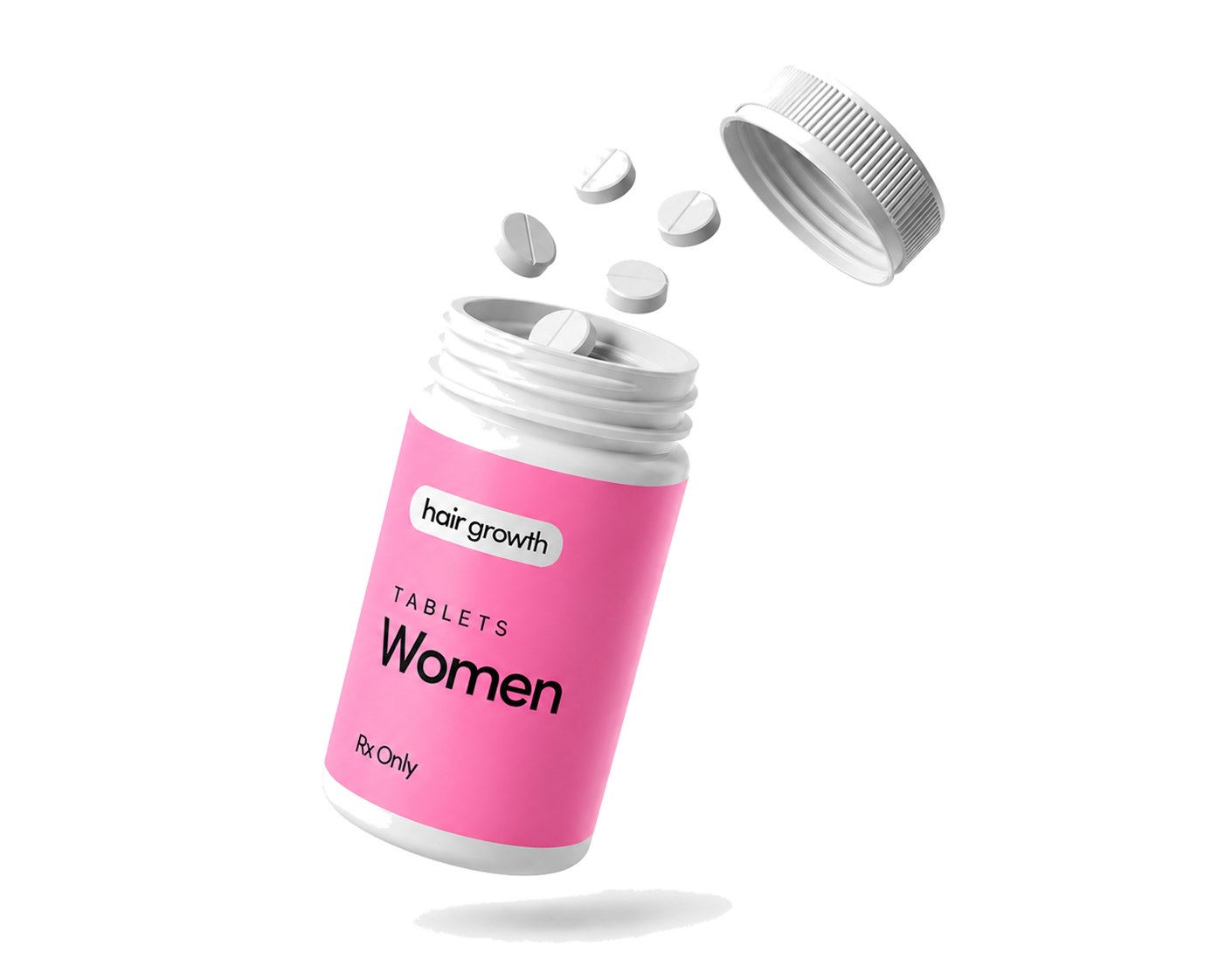
Women's Complete Hair Growth PillRx
Minoxidil, Vitamin E, Biotin
Written by Luma Meds Team
August 9, 2026

What if one of your body's most important antioxidants wasn't something you had to get from a supplement — but something your body already makes on its own?
Meet glutathione.
You may have heard about glutathione in conversations around wellness, skin health, detoxification, immunity, or healthy aging. But glutathione isn't simply another wellness trend.
It's a naturally occurring antioxidant found throughout your body, and your cells rely on it every day to help protect themselves from oxidative stress, process certain compounds, and maintain normal cellular function. In fact, glutathione is sometimes referred to as the body's “master antioxidant.”
So why does it matter so much? Let's make it simple.
Glutathione is a small molecule made from three amino acids:
Glutamate + Cysteine + Glycine
Your body can produce it naturally, with particularly important glutathione metabolism occurring in the liver. But glutathione isn't limited to one organ. It's found inside cells throughout the body, where it acts as part of your built-in antioxidant defense system.
Think of it as one of your body's cellular cleanup and protection crews. Every day, your cells are exposed to things that can create oxidative stress. Glutathione helps your body manage that stress.
Did you know?
Did you know?
Your body doesn't simply use glutathione once and throw it away. Glutathione can move between reduced and oxidized forms, allowing it to participate repeatedly in antioxidant reactions. Your cells even have systems designed to help recycle oxidized glutathione back into its active reduced form. That's how important maintaining glutathione is to normal cellular function.
You've probably heard the word “antioxidant” hundreds of times. But what does it actually mean?
As your body produces energy and responds to things like exercise, environmental exposures, inflammation, and everyday metabolism, molecules known as reactive oxygen species can be produced. That's normal.
The problem occurs when the balance shifts too far and reactive molecules overwhelm the body's antioxidant defenses. That's known as oxidative stress.
Think of it like this:
Your body has several antioxidant systems. But glutathione is one of the most important.
It's a catchy nickname, but there's a real reason behind it.
Glutathione doesn't only help neutralize certain reactive molecules directly. It also works with important antioxidant enzymes and interacts with other antioxidant systems in the body.
One group of enzymes called glutathione peroxidases, for example, uses glutathione to help reduce potentially damaging peroxides. Glutathione also interacts with antioxidant nutrients such as vitamins C and E within the body's broader antioxidant network.
In other words, glutathione isn't working alone. It's part of an entire defense system your body uses to protect its cells. That's why maintaining healthy glutathione status has become such an interesting area of wellness research.
This is probably where you've heard glutathione mentioned most.
“Detox” has become such a marketing buzzword that it's easy to forget your body already has sophisticated systems designed to process and eliminate substances. And your liver is one of the major players.
Glutathione participates in liver detoxification pathways that help the body process certain drugs, environmental compounds, and metabolic byproducts. One important process is called glutathione conjugation. Don't worry about remembering the name. Here's the simple version:
That's actual biochemistry — not a three-day juice cleanse.
Pro tip
Pro tip
“Supporting detoxification” doesn't mean a treatment is literally flushing mysterious “toxins” out of your body. Your liver and kidneys are already doing the heavy lifting. Glutathione is interesting because it participates in some of the normal biochemical pathways those organs already use.

This is where glutathione has attracted a completely different audience.
While some people discover glutathione through longevity and wellness, others first hear about it because of skin health and complexion. And there's actually an interesting biological reason for that.
Glutathione interacts with pathways involved in melanin production, the pigment responsible for much of the color in your skin, hair, and eyes. Researchers have investigated whether changing glutathione status can influence pigmentation and skin appearance.
Some small human trials using oral or topical glutathione have reported changes in measures of skin pigmentation, and research has also explored possible effects on characteristics associated with skin aging.
The evidence isn't strong enough to promise that glutathione will give everyone brighter or lighter skin. But the relationship between glutathione, oxidative stress, and pigmentation biology is one reason it has become so popular in aesthetic wellness.
Did you know?
Did you know?
Your skin deals with oxidative stress too. UV exposure, pollution, and normal metabolism can all contribute to the production of reactive molecules in skin. That's one reason antioxidants have become such a major part of the conversation around healthy-looking skin and aging.
Your immune system has a difficult job. It needs to respond aggressively when necessary while also protecting healthy cells and maintaining balance.
Glutathione plays several roles in normal immune-cell function and helps maintain the cellular environment immune cells need to operate. Researchers have studied glutathione in relation to:
This doesn't mean taking glutathione prevents you from getting sick. But it does show that glutathione isn't simply a “beauty antioxidant.” It's involved in fundamental systems throughout the body.
If your body already produces glutathione, you might reasonably ask: “Why would I need to think about it at all?”
Because glutathione status isn't necessarily fixed. The body's production, use, and recycling of glutathione can be influenced by factors including:
Your body is constantly balancing how much glutathione it produces, how much it uses, and how effectively it recycles it. And that's where the broader interest in supporting glutathione availability comes from.
Here's the easiest way to understand why people are so interested in it:
| Area | What Glutathione Does |
|---|---|
| Antioxidant defense | Helps protect cells against oxidative stress |
| Liver function | Participates in pathways used to process certain compounds |
| Cellular health | Helps maintain normal cellular redox balance |
| Immune function | Plays roles in normal immune-cell activity |
| Skin | Interacts with oxidative-stress and pigmentation pathways |
| Healthy aging | Antioxidant defenses are an important part of maintaining cellular health over time |
Glutathione isn't popular because it does one flashy thing. It's interesting because it's involved in so many of the body's everyday protection and maintenance systems.
When most people think about aging, they think about what they can see: fine lines, changes in skin, less energy, slower recovery. But aging is happening at the cellular level, too.
Oxidative stress is one piece of that much larger biological picture. That's one reason researchers are interested in the body's antioxidant systems as we age.
Glutathione levels and glutathione-related antioxidant capacity can change with aging, although the pattern varies across tissues, health status, and individuals.
This doesn't make glutathione an “anti-aging cure.” It makes it something more believable: one of the body's own tools for maintaining cellular balance and protecting against oxidative stress. And for people becoming more proactive about healthy aging, that's worth paying attention to.
Daily Wellness
Glutathione therapy at Luma Meds starts with a licensed provider reviewing your health profile — prescribed online and delivered to your door when appropriate.
Start your Glutathione visitThat's a good question.
Your body also naturally produces plenty of things that can change depending on age, nutrition, health, and demand. People interested in supporting glutathione have several approaches available, including:
Different routes have different levels of research behind them and shouldn't automatically be assumed to produce identical effects. But the goal is generally similar: support the body's glutathione system and antioxidant defenses. We'll explore those delivery methods separately.
You don't need to be a biohacker to care about antioxidants. People explore glutathione for very different reasons.
Someone may be focused on healthy-looking skin. Someone else may be interested in antioxidant support. Another person may be thinking about cellular health and healthy aging. And someone else may simply be interested in taking a more proactive approach to wellness.
What connects all of those people is something fairly simple: glutathione is already part of the system their bodies use to protect and maintain cells every day. That's what makes it different from simply chasing the latest wellness ingredient.
No antioxidant replaces taking care of yourself.
But modern wellness doesn't necessarily have to be about choosing between healthy habits and additional support. For some people, it's about building a strong foundation and then exploring ways to support systems the body already relies on.
Glutathione fits naturally into that conversation.
Glutathione might sound like another complicated wellness term. But the concept is surprisingly simple.
It's one of your body's own antioxidants. Your cells use glutathione to help manage oxidative stress. Your liver uses glutathione-dependent pathways while processing certain compounds. Your immune cells rely on appropriate redox balance. And glutathione even interacts with pathways involved in skin pigmentation and cellular aging.
That's why interest in glutathione stretches across wellness, longevity, antioxidant support, and skin health.
It's not about introducing something completely foreign to your body. It's about supporting an antioxidant system your body has been using all along.
This article is for educational purposes only and is not intended to provide medical advice, diagnosis, or treatment. Individual treatment decisions should be made with a licensed healthcare provider.
Share this article