Most Popular
from$139.99/mo
SemaglutideRx
GLP-1 Receptor Agonist
SemaglutideRx
GLP-1 Receptor Agonist
TirzepatideRx
Dual GLP-1 + GIP Receptor Agonist
Semaglutide ODT PillsRx
GLP-1 Receptor Agonist - Oral Dissolving Tablet
Tirzepatide ODT PillsRx
Dual GLP-1 + GIP Receptor Agonist - Oral Dissolving Tablet
NAD+Rx
Energy, Focus, Recovery
SermorelinRx
Recovery, Sleep, Vitality
GlutathioneRx
Skin, Immunity, Wellness
Lipo-B (MIC + B12)Rx
Energy, Metabolism, Wellness
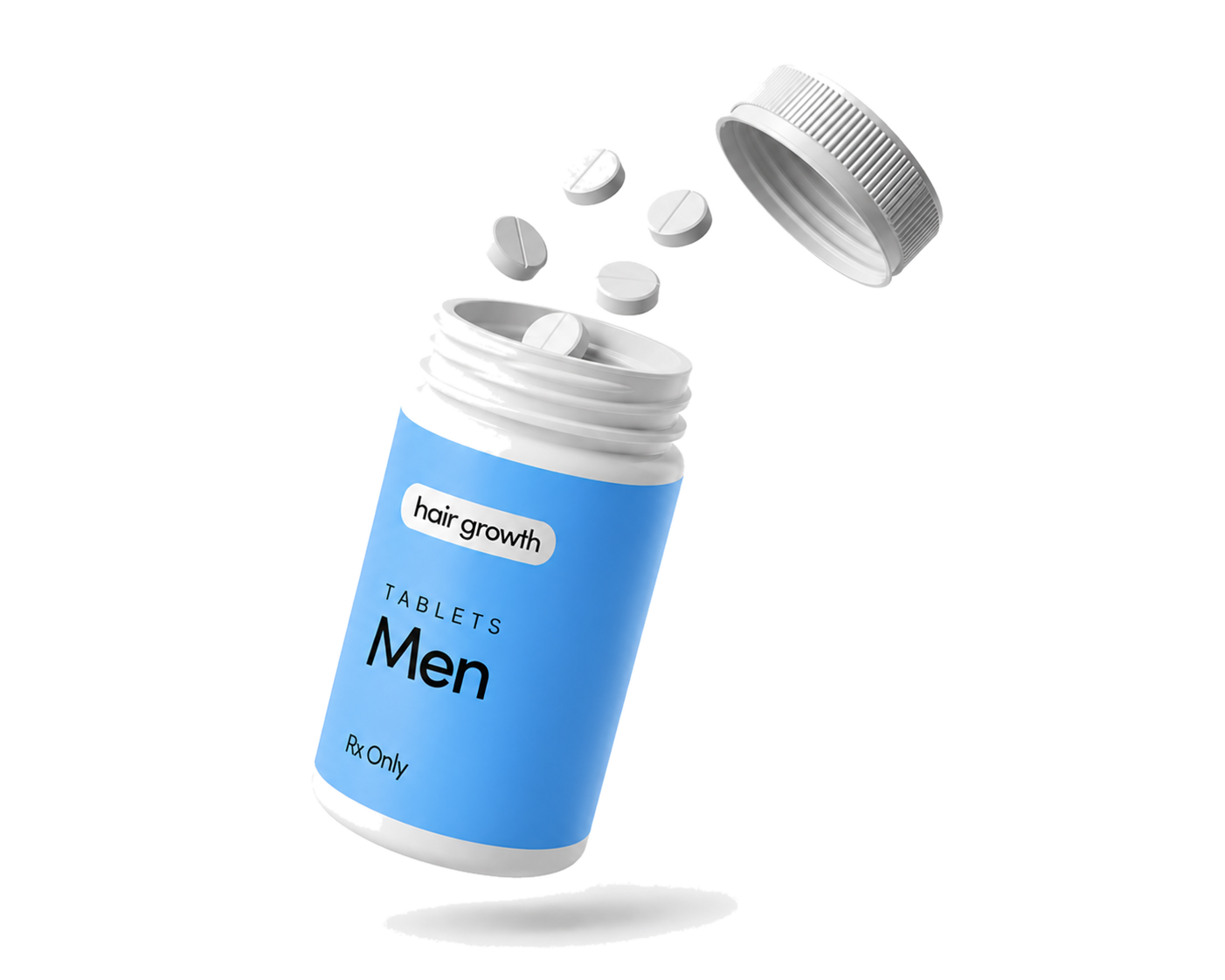
Men's Complete Hair Growth PillRx
Minoxidil, Finasteride, Biotin
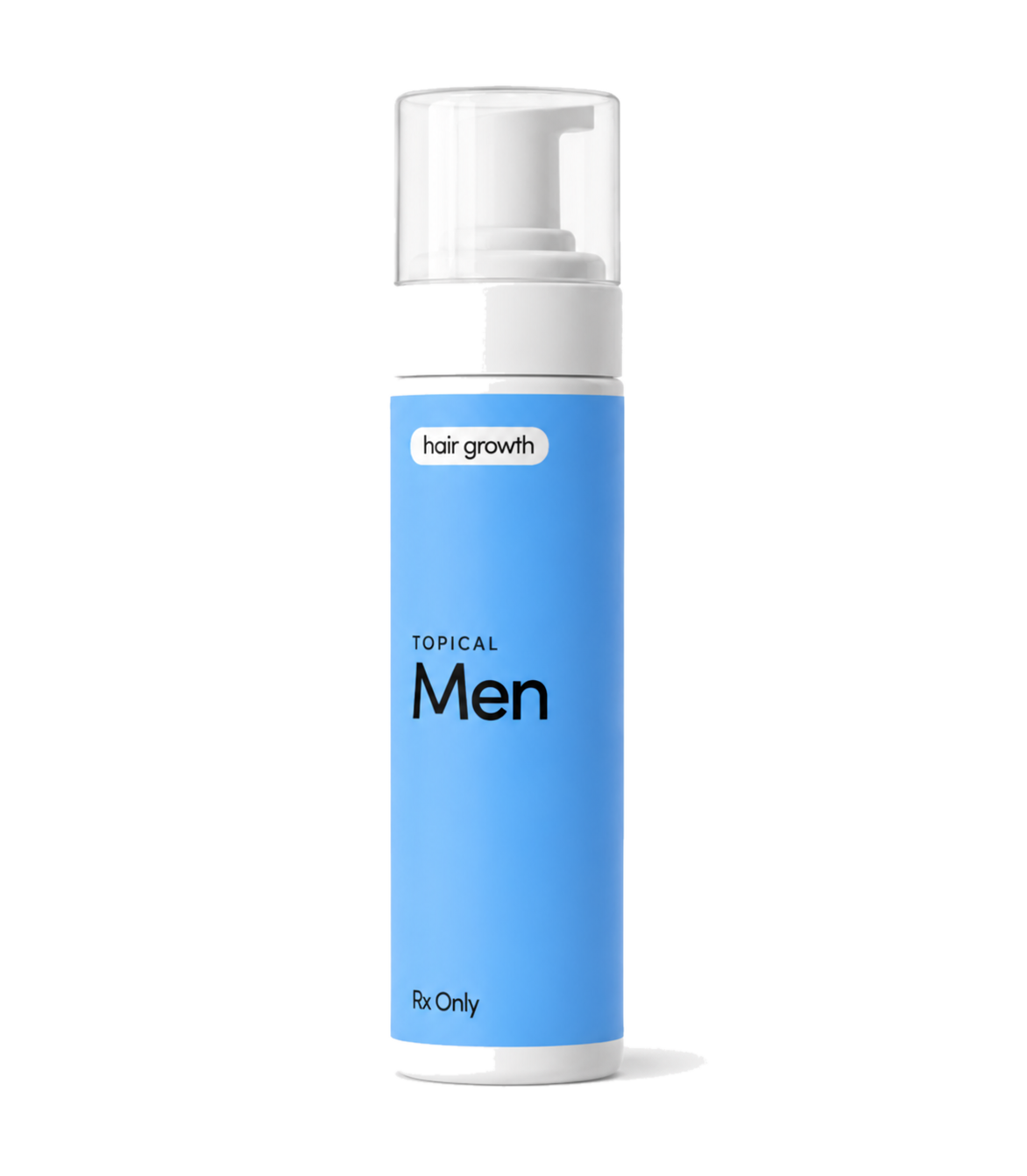
Men's Advanced Hair SprayRx
Minoxidil, Finasteride, Fluocinolone, Tretinoin
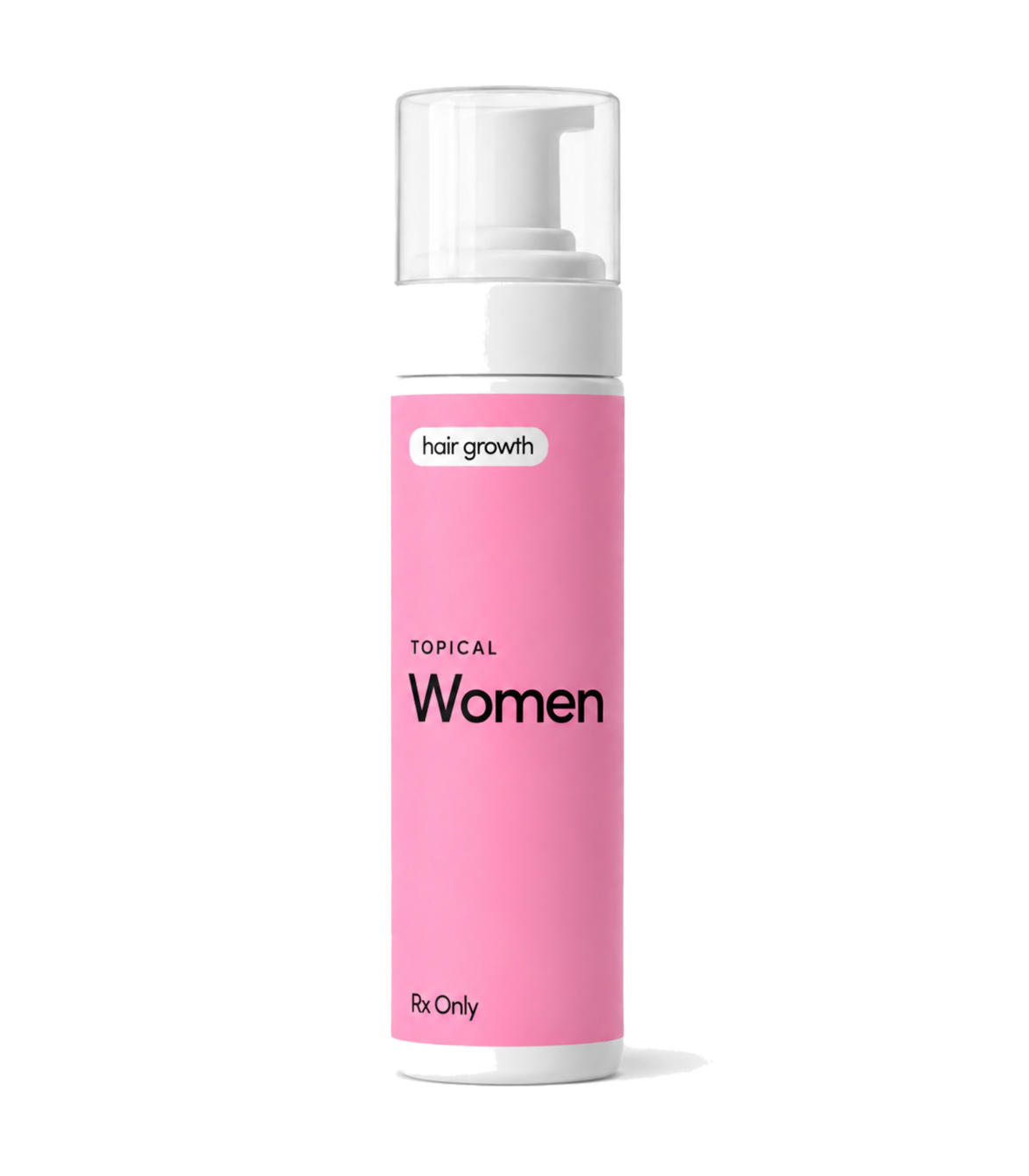
Women's Premium Hair SprayRx
Minoxidil, Tretinoin, Fluocinolone, Biotin, Melatonin
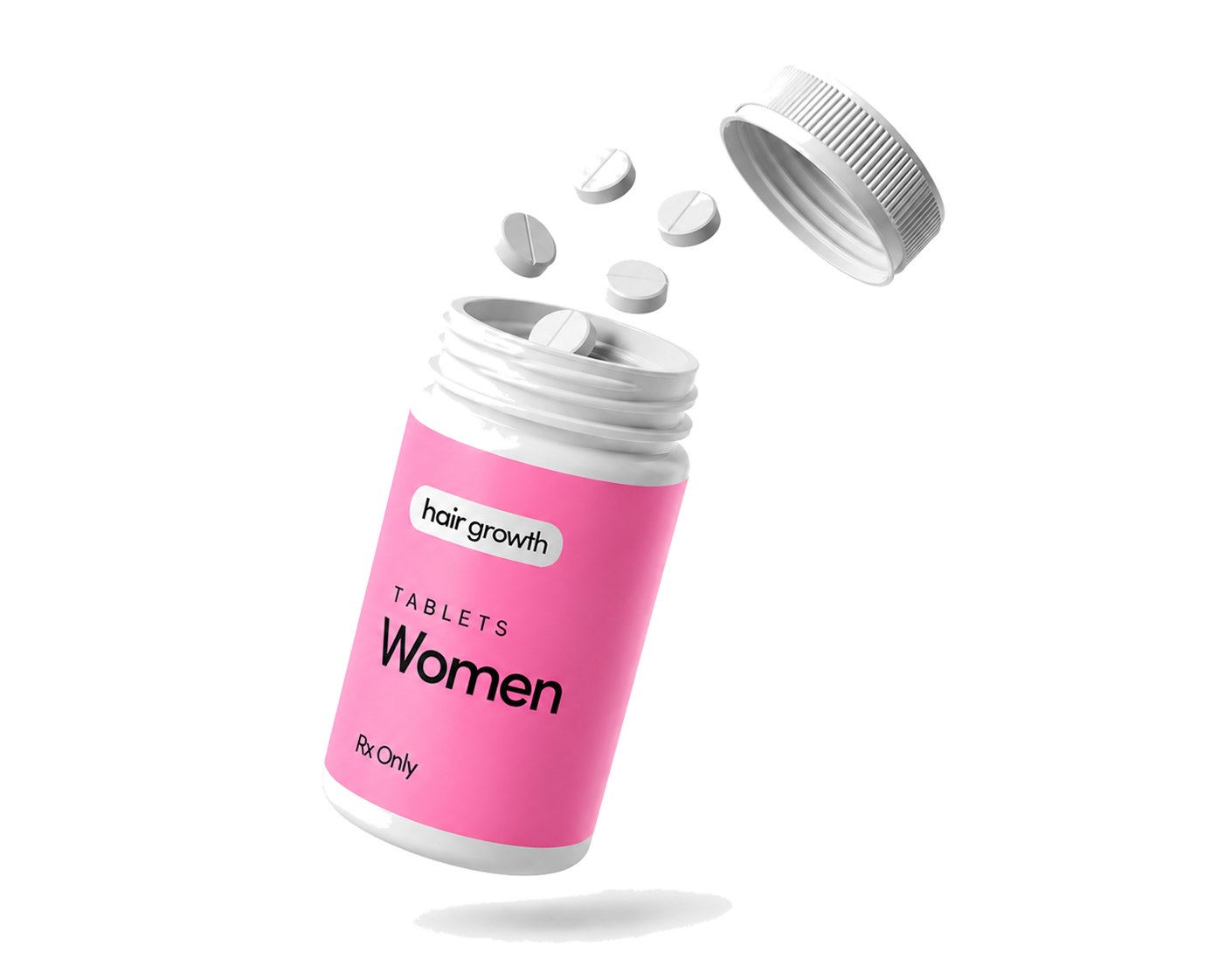
Women's Complete Hair Growth PillRx
Minoxidil, Vitamin E, Biotin
Written by Luma Meds Team
August 2, 2026

Ever have one of those days where you've technically slept, had your coffee, and done everything “right”… but you still feel like you're running on 60%?
Low energy. Trouble focusing. That afternoon crash that seems to come earlier than it used to.
There are countless reasons you might feel this way — but it's also true that the way our cells produce and manage energy changes as we get older. That's one reason NAD+ has become such a popular conversation in modern wellness.
People are increasingly exploring NAD+ support for three major reasons:
So let's talk about each one.
When most of us say we want "more energy," we usually mean: I don't want to feel exhausted by 2 PM. That's understandable. But NAD+ approaches energy differently than caffeine or traditional stimulants.
Caffeine temporarily stimulates your nervous system. NAD+, on the other hand, is already involved in the cellular reactions your body uses to convert nutrients into usable energy. That means NAD+ isn't about artificially making you feel wired — it's about supporting a molecule your cellular energy systems already depend on.
Coffee vs NAD+: Think of it this way
Coffee vs NAD+: Think of it this way
Coffee: "Let's make you feel more awake."
NAD+: "Let's support the cellular machinery involved in producing energy."
That's a big reason NAD+ has attracted people who aren't simply looking for another stimulant.
Did you know?
Did you know?
NAD+ continuously moves between different forms as your cells process nutrients and produce ATP — the primary form of usable cellular energy. In other words, NAD+ is part of the energy-production process happening inside you right now.
This is where things get interesting. Researchers have shown in human trials that NAD+-boosting strategies can successfully increase NAD-related biomarkers. But researchers have also started asking a more practical question: if we support NAD+ availability, can we actually measure a difference in how people perform?
One randomized clinical trial studied 80 healthy adults between 40 and 65 years old who received different doses of NMN, a compound the body can use to produce NAD+. After 60 days, researchers observed increases in blood NAD concentrations. Participants receiving NMN also showed improvements in the six-minute walking test — a measure commonly used to evaluate physical performance — with some groups performing better than placebo.
That's interesting because we're no longer just talking about what happens inside a test tube. We're talking about measurable changes in people.
⭐ Pro tip
⭐ Pro tip
NAD+ shouldn't be thought of as a replacement for sleep, exercise, nutrition, or hydration. Think of it as another way of supporting the cellular systems underneath those healthy habits.
Walk into a room and forget why you're there? Read the same sentence three times? Feel like your brain just isn't quite as “on” as you'd like it to be? Welcome to what most people call brain fog.
Brain fog isn't a medical diagnosis, and it can have many different causes — from poor sleep and stress to medications, nutrition, hormones, or underlying health conditions. But there's another interesting piece of the puzzle: your brain uses an enormous amount of energy.
Even though the adult brain represents only about 2% of body weight, it accounts for roughly 20% of the body's resting energy consumption. That makes healthy cellular energy metabolism particularly important to normal brain function — and NAD+ sits right in the middle of that process.

Think about everything your brain is doing while you're reading this sentence: processing words, accessing memories, filtering sounds around you, controlling your breathing, coordinating your body, making decisions — and somehow reminding you that you need to answer that text you've been ignoring.
All of that requires energy. Researchers studying brain aging have therefore become increasingly interested in the relationship between NAD+ → mitochondrial function → cellular energy → brain health.
Preclinical studies have produced particularly interesting findings involving NAD+ metabolism, neurons, mitochondrial function, and age-related changes in the brain. Human research specifically connecting NAD+ treatment to subjective “brain fog” is still developing — but the biological connection between NAD+, cellular energy metabolism, and normal brain function gives researchers a compelling reason to continue studying it.
Did you know?
Did you know?
Your brain doesn't have large reserves of stored energy. It relies heavily on a continuous supply of energy to function. That's one reason poor sleep, dehydration, inadequate nutrition, and metabolic health can have such a noticeable effect on how mentally sharp you feel.
This is where individual experience matters.
Some people seek NAD+ therapy specifically because they're interested in:
NAD+ plays an established role in cellular energy metabolism, including in neurons. What we can't promise is that an NAD+ injection will instantly make brain fog disappear — and that's actually the wrong expectation.
NAD+ isn't designed to be a quick stimulant for your brain. The goal is to support cellular processes that healthy brain function already relies on. That's a much more interesting long-term approach.
Physician-guided
Complete a short online visit and a licensed provider will review your health history and build a personalized NAD+ plan.
Start your online visitThis is probably the reason NAD+ has exploded in the longevity world. But let's clarify something: longevity isn't simply about living to 120. For most people, the real goal is something much more practical.
You want to be 80 and still living like yourself. Still traveling. Still thinking clearly. Still moving. Still working if you want to. Still enjoying your life.
Researchers often refer to this concept as healthspan — the portion of your life spent in relatively good health. And NAD+ has become especially interesting in this area because NAD+ metabolism intersects with several biological systems that change as we age.

Scientists studying aging aren't interested in NAD+ because it's trendy. They're interested because NAD+ interacts with several processes involved in cellular aging, including:
NAD+ is also required by enzymes known as sirtuins, which have become a major area of longevity research because of their roles in metabolism, cellular stress responses, and maintaining cellular function.
Put all of that together and you start to understand the excitement. NAD+ isn't targeting one isolated symptom — it's involved in some of the cellular systems researchers believe are important to how our bodies function as we age.
Research suggests NAD+ metabolism changes with age, and lower NAD+ availability has been observed across numerous tissues in preclinical studies and in some human research. That means researchers aren't only asking “what does NAD+ do?” They're asking: what happens if we support NAD+ availability as the body's natural NAD+ metabolism changes with age?
That's the question behind much of today's NAD+ longevity research — and it's one reason people aren't waiting until they're elderly to start thinking about cellular health.
Most traditional healthcare is understandably reactive. Something hurts → you get it checked. A lab becomes abnormal → you address it. You develop a condition → you treat it.
The growing interest in longevity and wellness takes a slightly different approach: what can I do now to support the way I want to feel and function later? That doesn't mean trying every new wellness trend. It means paying attention to the fundamentals:
And for some people, NAD+ therapy becomes another part of that broader proactive wellness strategy.
| Benefit | Why people are interested |
|---|---|
| Energy | NAD+ is essential to cellular energy metabolism and ATP production |
| Brain fog & mental clarity | The brain has enormous energy demands, and NAD+ supports cellular energy metabolism |
| Longevity | NAD+ is connected with mitochondrial function, cellular maintenance, sirtuins, and other pathways involved in aging |
That's probably the question you really want answered — and the experience can be different for everyone.
NAD+ isn't caffeine. You shouldn't necessarily expect a sudden rush that tells you “yep, there it is.” People explore NAD+ because they're interested in supporting something deeper: the cellular systems involved in energy, brain function, and healthy aging.
Your age, lifestyle, sleep, nutrition, activity level, health history, and baseline NAD+ metabolism can all influence your experience. That's also why NAD+ therapy shouldn't be viewed as a one-size-fits-all wellness product. It's better approached as one part of a personalized wellness plan.
There's a reason NAD+ has become one of the most talked-about molecules in longevity medicine. It's not because scientists discovered some magical “anti-aging shot.” It's because NAD+ is already deeply involved in the systems we care about maintaining as we get older:
Human research has demonstrated that NAD+ availability can be influenced through NAD+-boosting strategies, and researchers continue investigating what supporting those pathways could mean for energy metabolism, brain health, and healthy aging.
Most of us aren't looking for a miracle anti-aging treatment. We just want to feel good for longer. More capable. More mentally present. More energized to actually enjoy the years we're adding to our lives.
NAD+ can't replace sleep, exercise, nutrition, or good medical care. But it does sit at the center of several cellular processes that influence energy metabolism, brain function, and healthy aging. And that's why NAD+ has earned such an important place in the modern longevity conversation.
Getting older is inevitable. How you support your body along the way is something you can be more intentional about.
Luma Meds connects you with licensed providers for personalized, physician-guided NAD+ therapy delivered to your door.
Get startedThis article is for educational purposes only and is not intended to provide medical advice, diagnosis, or treatment. Individual treatment decisions should be made with a licensed healthcare provider.
Share this article