Most Popular
from$139.99/mo
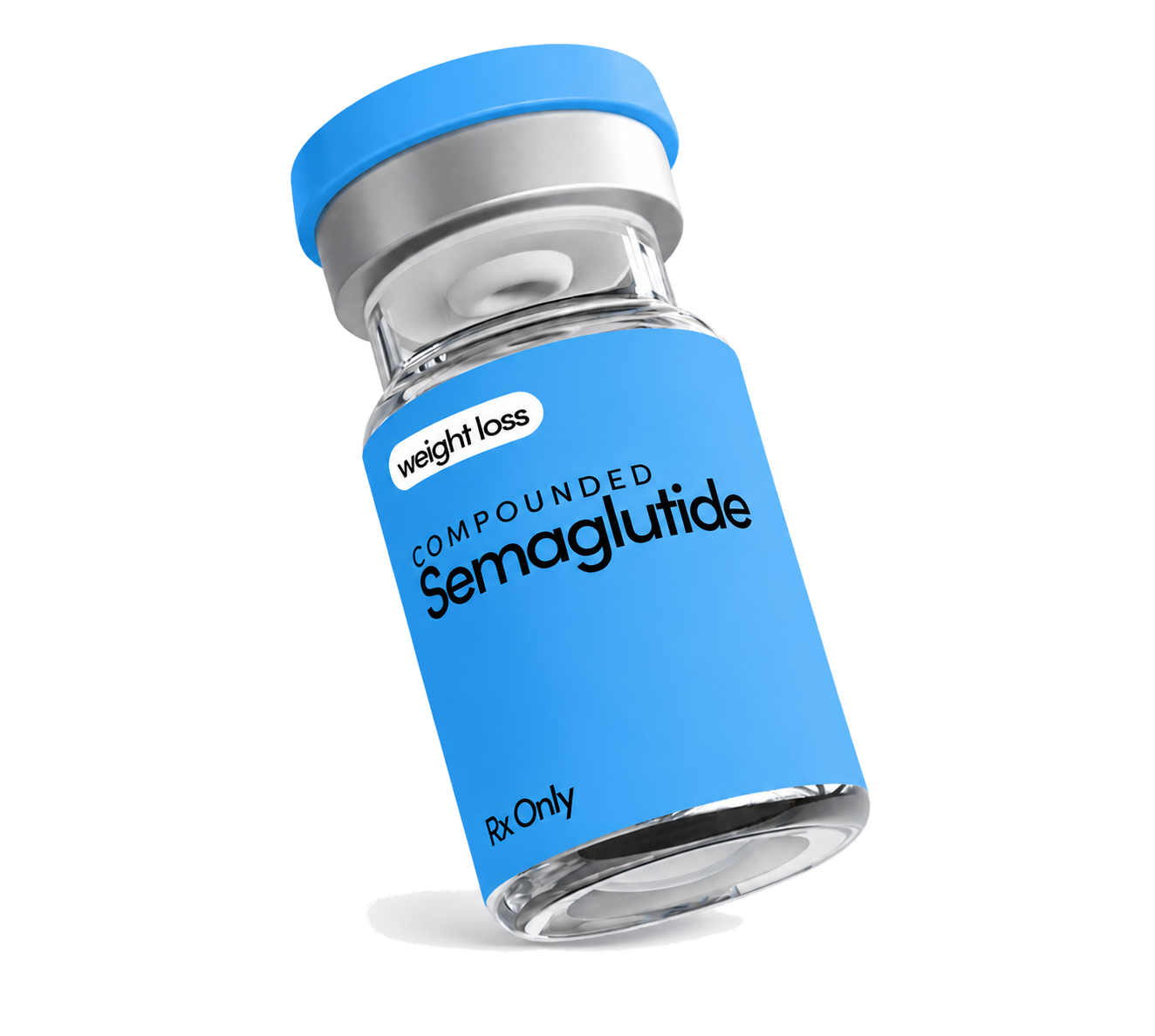
SemaglutideRx
GLP-1 Receptor Agonist
SemaglutideRx
GLP-1 Receptor Agonist
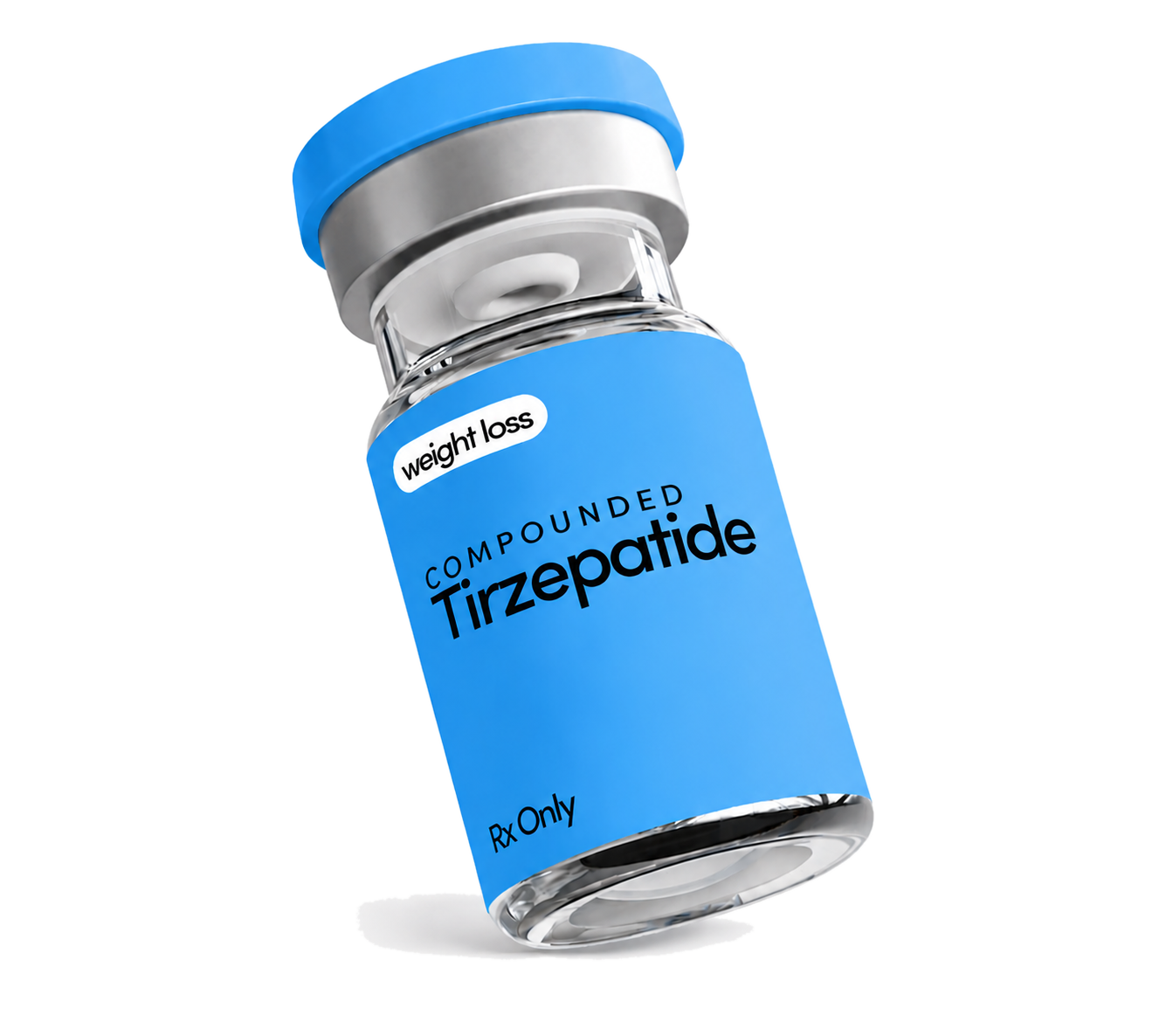
TirzepatideRx
Dual GLP-1 + GIP Receptor Agonist
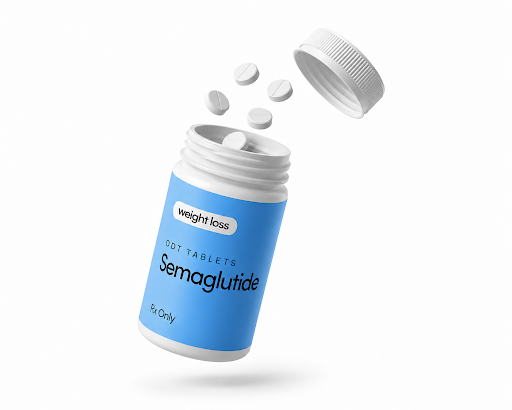
Semaglutide ODT PillsRx
GLP-1 Receptor Agonist - Oral Dissolving Tablet
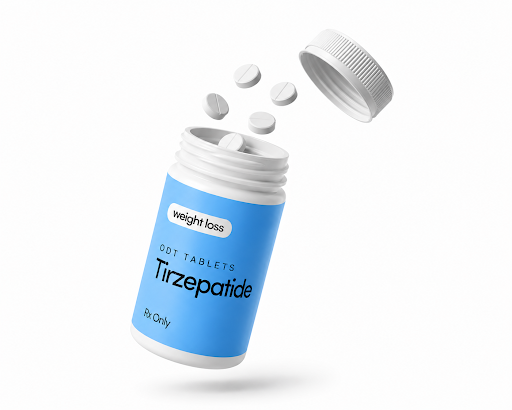
Tirzepatide ODT PillsRx
Dual GLP-1 + GIP Receptor Agonist - Oral Dissolving Tablet
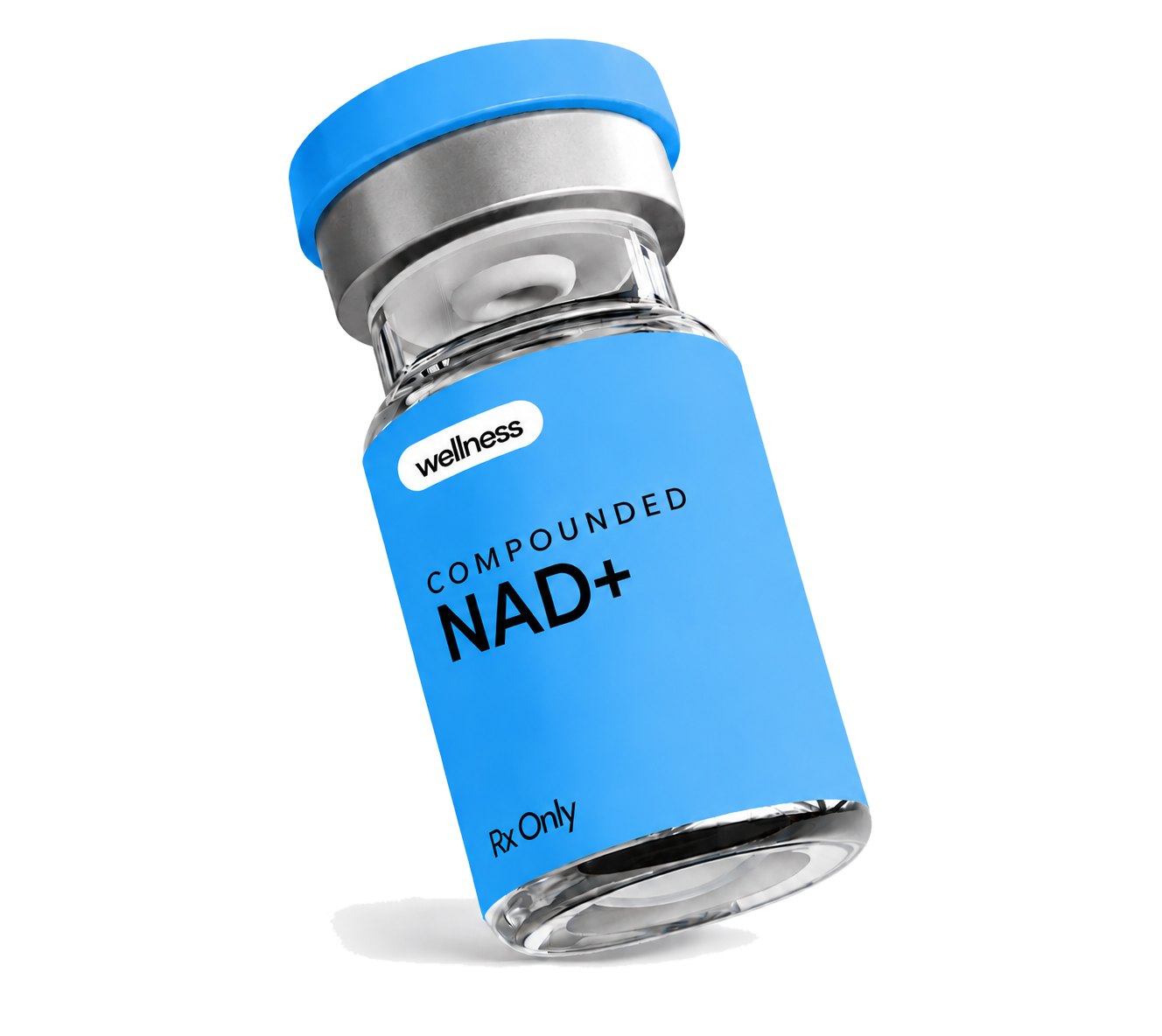
NAD+Rx
Energy, Focus, Recovery
SermorelinRx
Recovery, Sleep, Vitality
GlutathioneRx
Skin, Immunity, Wellness
Lipo-B (MIC + B12)Rx
Energy, Metabolism, Wellness
Men's Complete Hair Growth PillRx
Minoxidil, Finasteride, Biotin
Men's Advanced Hair SprayRx
Minoxidil, Finasteride, Fluocinolone, Tretinoin

Women's Premium Hair SprayRx
Minoxidil, Tretinoin, Fluocinolone, Biotin, Melatonin
Women's Complete Hair Growth PillRx
Minoxidil, Vitamin E, Biotin
Written by Luma Meds Team
August 1, 2026

Ever wonder why you could run on five hours of sleep in your 20s, bounce back the next day, and somehow still have energy left over?
Getting older changes a lot of things — and deep inside your cells, changes are happening too.
One molecule researchers have become especially interested in is NAD+, a naturally occurring molecule your cells rely on for energy metabolism, cellular repair, and healthy function. And as we age, NAD+ metabolism can change.
So what exactly is NAD+, why does your body need it, and why has it become such a major topic in longevity and wellness? Let's break it down.
NAD+ stands for nicotinamide adenine dinucleotide. Don't worry — we won't make you say that again.
Think of NAD+ as an essential cellular helper.
Every day, your body takes the carbohydrates, fats, and proteins you eat and converts them into energy your cells can use. NAD+ plays an important role in the chemical reactions that make that possible. And that's only part of its job.
NAD+ is involved in processes related to:
In other words, NAD+ isn't something foreign being introduced to your body. Your body already makes it — and your cells use it every day.
💡 Did you know?
💡 Did you know?
NAD+ is found throughout the body and is involved in hundreds of biochemical reactions. Without adequate NAD+ metabolism, cells can't efficiently carry out many of the reactions required for normal function.
Because virtually everything your body does requires energy at the cellular level. Your brain needs energy. Your muscles need energy. Your organs need energy. Even repairing and maintaining your cells requires energy.
One of the major places that energy is produced is inside structures called mitochondria — often described as the “powerhouses” of your cells. NAD+ helps transfer electrons during the reactions mitochondria use to generate ATP, the primary form of usable cellular energy.

⚡ Think of it this way
⚡ Think of it this way
Food → Nutrients → NAD+-dependent reactions → Mitochondria → ATP → Cellular energy
NAD+ isn't caffeine. It doesn't simply “give you energy.” Instead, it helps support the cellular machinery your body naturally uses to produce energy. That's an important difference — and one of the reasons NAD+ has become such an interesting area of wellness and longevity research.
This is where NAD+ gets particularly interesting. Research has shown age-related changes in NAD+ metabolism, with declining NAD+ levels observed in numerous tissues in preclinical research and in some human studies. Scientists believe several processes associated with aging may contribute.
Put everything together, and the balance can begin to change.
| Factor | Mechanism | What research suggests |
|---|---|---|
| Cellular stress & DNA damage | PARP enzymes consume NAD+ during repair | Greater repair demand can increase NAD+ consumption |
| Age-related inflammation | CD38 activity rises and degrades NAD+ | Linked to age-related declines in NAD+ availability |
| Salvage pathway changes | Enzymes that recycle NAD+ become less efficient | May reduce the body's ability to replenish NAD+ |
Imagine NAD+ as money moving through a checking account. When demand is balanced, NAD+ that is produced and recycled funds energy metabolism, cellular repair, mitochondrial function, and cellular maintenance — and then gets recycled again.
And that's exactly why researchers have become interested in strategies designed to support NAD+ availability.
⭐ Pro tip
⭐ Pro tip
Supporting cellular health isn't just about how much energy you feel like you have. Sleep, exercise, nutrition, metabolic health, and other lifestyle factors all influence how efficiently your body produces and uses energy.
Energy gets most of the attention — but NAD+'s role goes much further.
💡 Did you know?
💡 Did you know?
Researchers aren't interested in NAD+ simply because levels may change with age. They're interested because NAD+ sits at the intersection of several processes associated with aging: energy + mitochondria + DNA repair + metabolism + cellular maintenance.
Physician-guided
Complete a short online visit and a licensed provider will review your health history and build a personalized NAD+ plan.
Start your online visitYour body naturally produces NAD+ using compounds derived from vitamin B3 and related precursors. Lifestyle may matter, too — research suggests that exercise, nutrition, circadian rhythm, and metabolic health all interact with NAD+ metabolism.
There are also therapeutic and supplemental approaches designed to increase or support NAD+ availability, including:
Each approach works differently — and the amount of clinical research behind each one isn't identical. We'll break those differences down separately.
NAD+ has attracted attention because it isn't targeting just one isolated process. It participates in fundamental cellular pathways your body already depends on.
For someone interested in energy metabolism, cellular health, mitochondrial function, recovery, or healthy aging, it's easy to understand why NAD+ has become an increasingly popular topic. And unlike a traditional stimulant, the goal of NAD+ therapy isn't simply to create a temporary “boost.” The idea is to support a molecule already involved in the body's natural cellular energy and maintenance processes.
NAD+ is one of those molecules you probably never thought about — even though your cells have depended on it your entire life. It helps support:
Research has also found that NAD+ metabolism can change as we age, potentially due to increased consumption, inflammation, cellular stress, and changes in the pathways responsible for replenishing NAD+.
That's why supporting NAD+ availability has become such an active area of research — and why NAD+ therapies have attracted growing interest among people looking to take a more proactive approach to wellness and healthy aging.
You can't stop getting older. But understanding what changes inside your cells is a pretty good place to start.
Luma Meds connects you with licensed providers for personalized, physician-guided NAD+ therapy delivered to your door.
Get startedThis article is for educational purposes only and is not intended to provide medical advice, diagnosis, or treatment. Individual treatment decisions should be made with a licensed healthcare provider.
Share this article