Best Value

from$99/mo
SemaglutideRx
GLP-1 Receptor Agonist
SemaglutideRx
GLP-1 Receptor Agonist
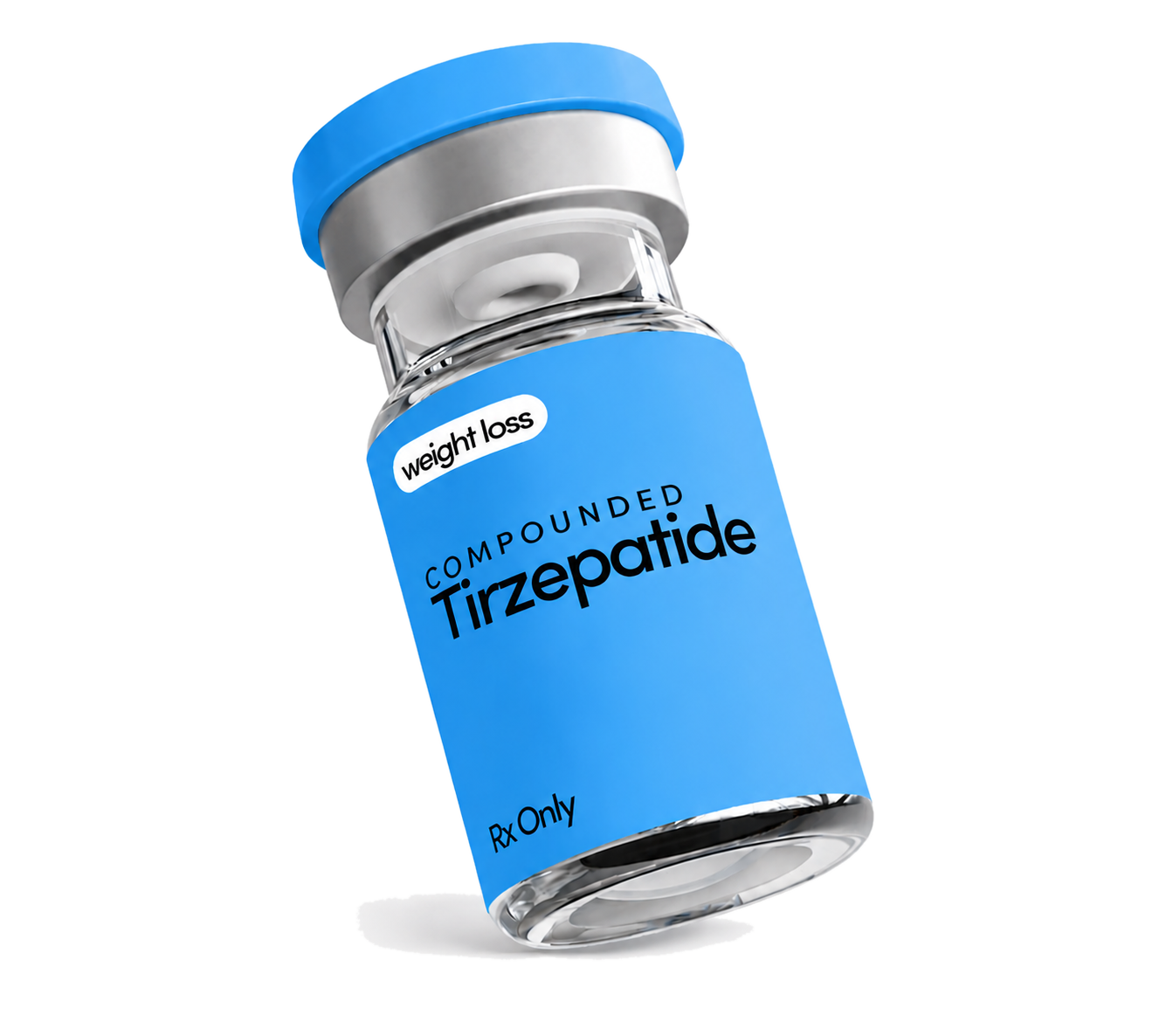
TirzepatideRx
Dual GLP-1 + GIP Receptor Agonist

Semaglutide ODT PillsRx
GLP-1 Receptor Agonist - Oral Dissolving Tablet
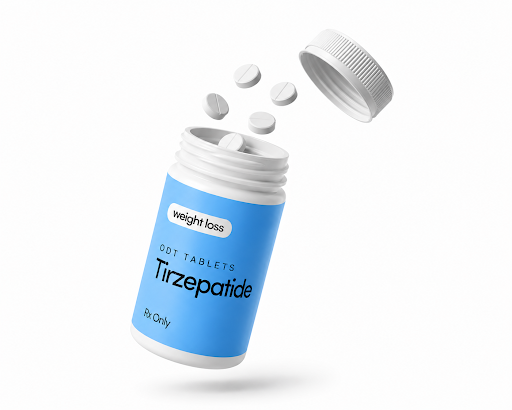
Tirzepatide ODT PillsRx
Dual GLP-1 + GIP Receptor Agonist - Oral Dissolving Tablet

Men's Complete Hair Growth PillRx
Minoxidil, Finasteride, Biotin

Men's Advanced Hair SprayRx
Minoxidil, Finasteride, Fluocinolone, Tretinoin

Women's Premium Hair SprayRx
Minoxidil, Tretinoin, Fluocinolone, Biotin, Melatonin

Women's Complete Hair Growth PillRx
Minoxidil, Vitamin E, Biotin
Written by Luma Meds Team
August 13, 2026 · 11 min read

Starting a GLP-1 medication can come with an adjustment period.
Nausea, constipation, diarrhea, feeling unusually full, or having less interest in food can occur — particularly when treatment is first started or the dose is increased.
The good news is that many of the most common GLP-1 side effects are temporary and become less noticeable as the body adjusts to treatment.
That doesn't mean every symptom should be ignored.
But understanding why these side effects happen — and why they often improve — can make the first few weeks of treatment much less intimidating.
The most frequently reported side effects of GLP-1-based medications involve the digestive system.
These can include:
The exact likelihood varies depending on the medication, dose, and individual patient.
Semaglutide and tirzepatide clinical trials have consistently found gastrointestinal symptoms to be among the most commonly reported side effects.
Fortunately, most are mild to moderate rather than severe.
GLP-1 medications don't just reduce hunger.
They affect several parts of the digestive and appetite-regulation system.
Depending on the medication, these effects can include:
These effects help explain why someone might suddenly feel full after eating much less food than usual.
But during the adjustment period, those same changes can contribute to nausea, bloating, indigestion, constipation, or other digestive symptoms.
Your body isn't accustomed to the medication yet.
That's one reason GLP-1 medications are generally started at a lower dose and gradually increased rather than beginning immediately at a full maintenance dose.
This process is called dose escalation or titration.
Clinical research consistently shows that gastrointestinal side effects tend to occur most frequently during or shortly after dose escalation.
For example, an analysis of more than 2,000 adults receiving semaglutide in the STEP obesity trials found that gastrointestinal side effects were generally:
Mild to moderate, temporary, and most common during or shortly after increasing the dose.
A similar pattern has been observed with tirzepatide.
For many people, yes.
The gastrointestinal system can adapt to some of the effects produced by GLP-1 medications over time.
One example involves gastric emptying.
GLP-1 activity can initially slow how quickly food leaves the stomach. Research suggests that the magnitude of this effect can diminish with continued exposure to long-acting GLP-1 medications.
This adaptation is sometimes referred to as tachyphylaxis.
That doesn't mean the medication stops working.
Its effects on appetite, satiety, blood sugar regulation, and weight management can continue even as certain gastrointestinal effects become less noticeable.
There isn't one timeline that applies to everyone.
Some people experience almost no side effects.
Others may notice symptoms for several days after beginning treatment or increasing their dose.
In the STEP trials of semaglutide 2.4 mg, individual episodes of nausea, diarrhea, and vomiting were generally relatively short-lived even though patients could experience more than one episode during treatment.
Symptoms also tended to peak during the dose-escalation period rather than remaining equally intense throughout long-term treatment.
Tirzepatide studies have similarly found that many gastrointestinal events occur during dose escalation and are usually mild to moderate.
So experiencing nausea during the first few weeks doesn't necessarily mean you'll feel nauseated throughout treatment.
Someone may feel completely comfortable at one dose and then notice nausea or fullness again after moving to the next one.
That isn't unusual.
A higher dose produces stronger pharmacologic effects, and the gastrointestinal system may need another period of adjustment.
This is one reason gradual titration matters.
Increasing the dose faster than prescribed doesn't necessarily produce better weight-loss results — and may make treatment more difficult to tolerate.
Nausea is one of the best-known GLP-1 side effects.
It may be particularly noticeable after starting treatment or increasing the dose.
Eating a large meal when gastric emptying is slower and appetite is reduced can sometimes make nausea or uncomfortable fullness worse.
Helpful strategies may include:
For many patients, nausea becomes less frequent as treatment continues.
Not every GLP-1 side effect disappears quickly.
Constipation can sometimes last longer than nausea or vomiting.
Changes in gastrointestinal motility can contribute, but reduced food and fluid intake may also play a role.
Someone eating substantially less may also be consuming less fiber and fluid without realizing it.
Maintaining adequate hydration, dietary fiber, and physical activity can help support normal bowel function.
Persistent constipation should be discussed with a healthcare provider.
Diarrhea and vomiting can also occur, especially during the earlier stages of treatment or following dose increases.
Mild episodes may resolve as the body adjusts.
The bigger concern is when these symptoms become persistent or severe.
Repeated vomiting or significant diarrhea can lead to dehydration.
If you're unable to keep fluids down or symptoms aren't improving, contact your healthcare provider.
Where the evidence stands
Where the evidence stands
Pooled analyses of the semaglutide STEP trials and the tirzepatide SURMOUNT and SURPASS trials all point the same direction: most gastrointestinal side effects are mild to moderate, cluster around dose escalation, and explain only a small portion of overall weight loss.
There's an important distinction between a medication effect and an adverse effect.
GLP-1 medications are intended to influence appetite and satiety.
Feeling satisfied with a smaller portion or experiencing less hunger isn't necessarily an unwanted side effect.
However, being so full or nauseated that you consistently struggle to eat or drink enough is different.
The goal isn't to eliminate hunger completely or make eating impossible.
Effective treatment should still allow adequate nutrition and hydration.
This is an important misconception.
You don't need to feel sick for a GLP-1 medication to be working.
Research involving both semaglutide and tirzepatide has examined whether gastrointestinal side effects explain their weight-loss effects.
They largely don't.
In semaglutide trials, gastrointestinal side effects accounted for only a small portion of the difference in weight loss.
Tirzepatide research has found a similar pattern: substantial weight reduction occurred in people who experienced nausea, vomiting, or diarrhea and in those who didn't.
Feeling more nauseated therefore shouldn't be interpreted as evidence that the medication is working better.
Not necessarily.
Dose escalation isn't a race.
If someone is experiencing significant gastrointestinal symptoms, a healthcare provider may decide that it makes more sense to remain at the current dose longer rather than immediately increasing it.
Depending on the medication and situation, a provider may consider:
Treatment should be individualized based on both effectiveness and tolerability.
Certain behaviors may make gastrointestinal symptoms harder to tolerate.
These can include:
One of the biggest adjustments for new patients is simply learning to respond to fullness sooner.
The portion that felt normal before starting treatment may suddenly feel like too much.
No.
It's important not to oversimplify this.
Many common gastrointestinal side effects improve over time, but not every symptom should be assumed to be temporary.
Some patients continue experiencing side effects and may need their treatment plan adjusted.
GLP-1-based medications have also been associated with less common but potentially more serious medical problems that require evaluation.
That's why persistent or severe symptoms shouldn't simply be ignored while waiting for the body to "get used to it."
Talk with your healthcare provider if side effects are persistent, worsening, or interfering with your ability to eat, drink, or function normally.
More urgent evaluation may be appropriate for symptoms such as:
Your healthcare provider can determine whether symptoms are part of the expected adjustment period or whether something else needs to be evaluated.
GLP-1 side effects are common, but many of the most common ones don't last forever.
Nausea, diarrhea, vomiting, constipation, and uncomfortable fullness are most likely to appear when treatment begins or when the dose is increased.
Clinical research with medications such as semaglutide and tirzepatide shows that most gastrointestinal side effects are mild to moderate and often occur during dose escalation before improving with continued treatment.
Gradual titration gives the body time to adjust.
And remember:
Feeling sick isn't the goal.
More nausea doesn't mean more weight loss, and you shouldn't feel like you need to suffer through severe side effects for treatment to work.
If symptoms are significant or aren't improving, your healthcare provider can help determine whether your dose, titration schedule, diet, hydration, or treatment plan needs to be adjusted.
At Luma Meds, eligible patients are evaluated by a licensed healthcare provider who can monitor treatment response, side effects, and dosing throughout a medical weight-loss program.
Physician-guided weight loss
New patient promo from $99/month — with gradual dose escalation, anti-nausea support when clinically appropriate, and a licensed provider monitoring your progress.
Start your online visitThis article is for educational purposes only and is not a substitute for professional medical advice. Prescription treatment requires evaluation and approval by a licensed healthcare provider. Individual results and side effects vary.
This article is for educational purposes only and is not intended to provide medical advice, diagnosis, or treatment. Individual treatment decisions should be made with a licensed healthcare provider.
Share this article