Best Value
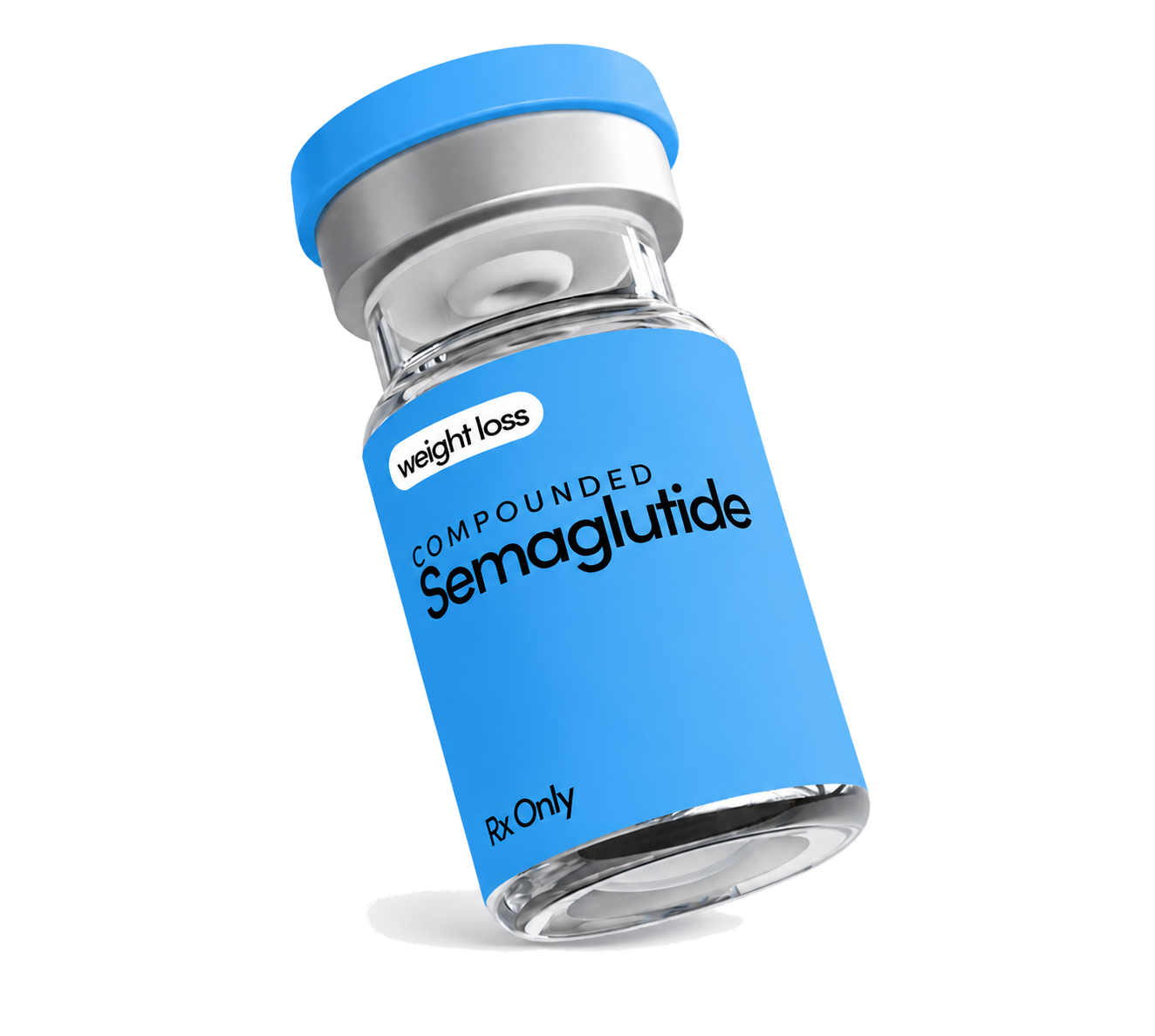
from$99/mo
SemaglutideRx
GLP-1 Receptor Agonist
SemaglutideRx
GLP-1 Receptor Agonist
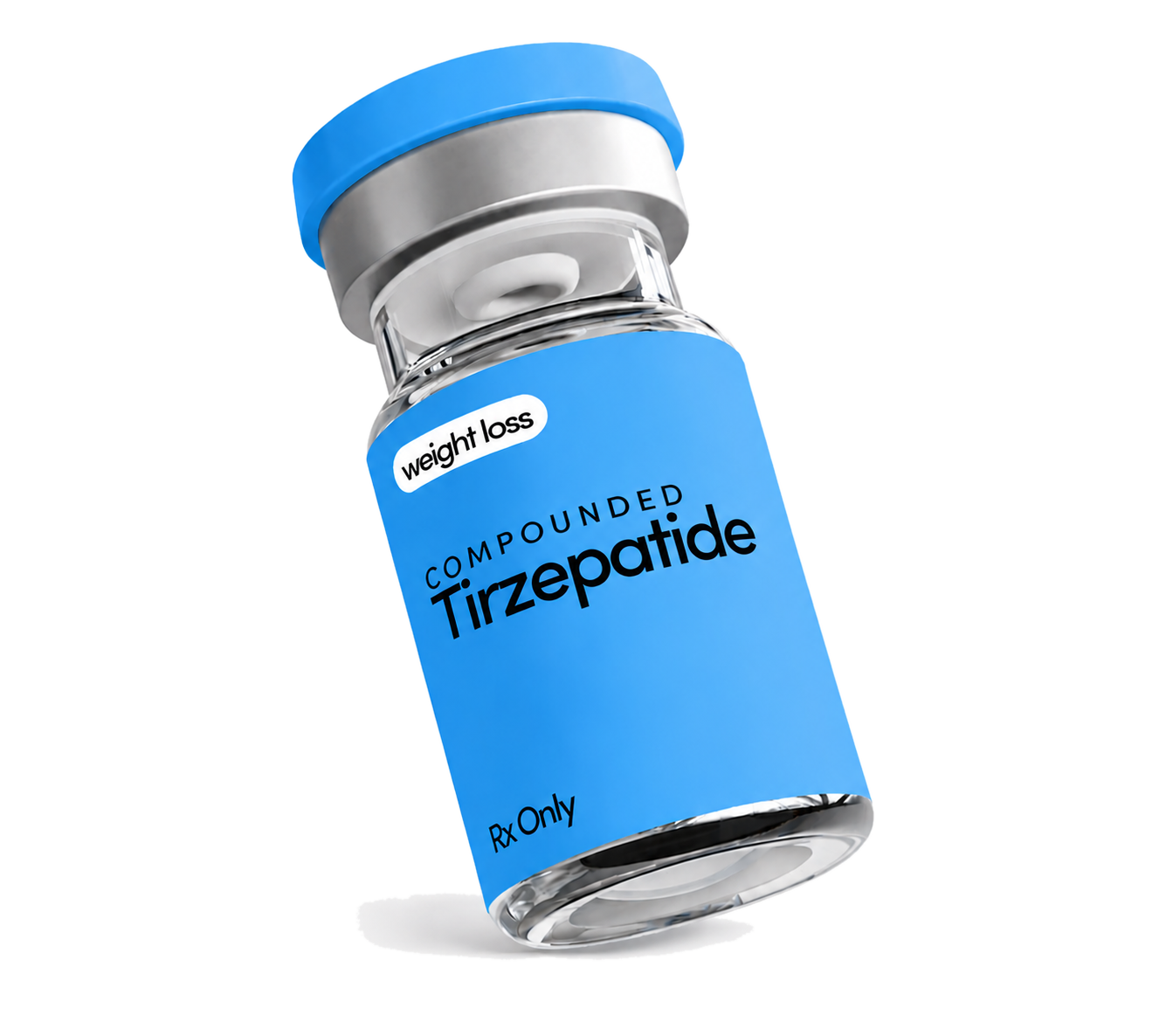
TirzepatideRx
Dual GLP-1 + GIP Receptor Agonist
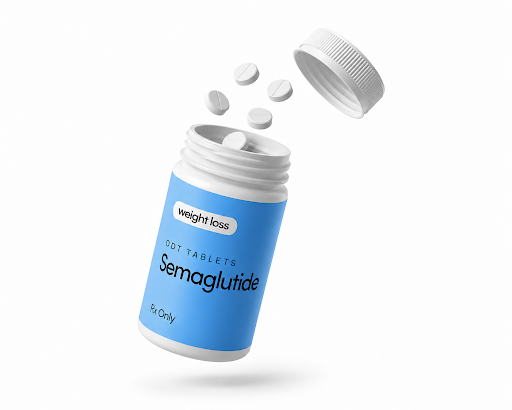
Semaglutide ODT PillsRx
GLP-1 Receptor Agonist - Oral Dissolving Tablet
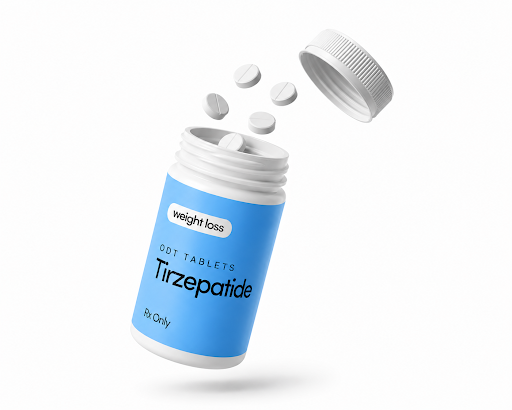
Tirzepatide ODT PillsRx
Dual GLP-1 + GIP Receptor Agonist - Oral Dissolving Tablet
Men's Complete Hair Growth PillRx
Minoxidil, Finasteride, Biotin

Men's Advanced Hair SprayRx
Minoxidil, Finasteride, Fluocinolone, Tretinoin
Women's Premium Hair SprayRx
Minoxidil, Tretinoin, Fluocinolone, Biotin, Melatonin
Women's Complete Hair Growth PillRx
Minoxidil, Vitamin E, Biotin
Written by Luma Meds Team
July 31, 2026 · 10 min read

Oral semaglutide has created another option for people interested in GLP-1 treatment without injections.
But not every oral semaglutide medication is formulated the same way.
Two terms you may encounter are Rybelsus and compounded oral semaglutide. Both involve semaglutide, but there can be important differences in how they're formulated, prepared, absorbed, dosed, and prescribed.
Understanding those differences can help patients have a more informed conversation with their healthcare provider.
Semaglutide belongs to a class of medications known as GLP-1 receptor agonists.
GLP-1 is a naturally occurring hormone involved in appetite, digestion, insulin secretion, and blood sugar regulation.
By activating GLP-1 receptors, semaglutide can help:
Semaglutide has been extensively studied in both injectable and oral forms.
The challenge with oral semaglutide isn't whether semaglutide can work. The challenge is getting enough of a peptide medication through the digestive system and into the bloodstream.
Semaglutide is a peptide.
Unlike many traditional pills, peptides aren't naturally well suited to oral delivery. The digestive system is designed to break peptides down, and relatively little semaglutide can normally cross from the gastrointestinal tract into the bloodstream.
That's why the formulation of an oral semaglutide medication matters.
Researchers have spent years studying ways to protect peptide medications during digestion and improve their absorption.
Rybelsus represents one approach to solving that problem.
Compounding pharmacies may prepare oral semaglutide using different formulations and dosage forms depending on the prescription and pharmacy.
Rybelsus is a commercially manufactured oral semaglutide tablet made by Novo Nordisk.
Unlike injectable semaglutide, Rybelsus is taken by mouth once daily.
Its formulation combines semaglutide with an absorption enhancer called SNAC, or sodium N-(8-[2-hydroxybenzoyl] amino) caprylate.
SNAC plays an important role in helping semaglutide survive and cross the stomach lining.
Research suggests that the interaction between semaglutide and SNAC creates a localized environment around the tablet that helps protect semaglutide from degradation while temporarily improving its absorption through the stomach.
In other words, Rybelsus isn't simply semaglutide compressed into a pill. Its delivery system is an important part of how the medication works.
Compounded oral semaglutide is a semaglutide-containing medication prepared by a qualified compounding pharmacy according to a prescription from a licensed healthcare provider when compounding is clinically appropriate and permitted under applicable requirements.
Depending on the pharmacy and prescription, compounded oral semaglutide may be prepared in forms such as:
The exact formulation can vary.
This is an important difference from Rybelsus.
“Compounded oral semaglutide” does not describe one universal formulation.
Two compounding pharmacies could potentially prepare oral semaglutide differently, using different concentrations, excipients, dosage forms, or administration instructions.
Patients should therefore follow the instructions provided for their specific prescription.
The easiest way to understand the difference is to look at how each treatment is prepared.
| Rybelsus | Compounded oral semaglutide | |
|---|---|---|
| Active medication | Semaglutide | Semaglutide-based prescription formulation |
| Form | Oral tablet | May vary by pharmacy |
| Formulation | Standardized commercial formulation | Pharmacy-specific formulation |
| Absorption technology | Uses SNAC | Depends on formulation |
| Dosing | Standardized strengths | May vary by prescription |
| Preparation | Commercially manufactured | Prepared by a compounding pharmacy |
| Administration instructions | Specific Rybelsus instructions | Depends on prescribed formulation |
The biggest takeaway is that route of administration alone doesn't make two medications equivalent.
How semaglutide is formulated can affect how it is delivered and absorbed.
One of the most interesting things about Rybelsus is that much of its absorption occurs through the stomach, rather than farther along in the intestines.
SNAC helps create conditions around the tablet that protect semaglutide from enzymatic breakdown and facilitate absorption across the stomach lining.
Even with this technology, only a relatively small percentage of oral semaglutide reaches systemic circulation.
Clinical pharmacokinetic research has estimated oral semaglutide bioavailability at approximately 0.8% under recommended dosing conditions in the formulation studied.
Why such a low number still works
Why such a low number still works
That sounds low, but the medication and dosing regimen were specifically developed around this limited absorption.
This is why oral peptide medications can't be evaluated simply by comparing the number of milligrams written on the label.
How Rybelsus is taken can affect how much semaglutide is absorbed.
Research has found that factors such as water volume and the amount of time a patient waits before eating, drinking, or taking other oral medications can influence semaglutide exposure.
That's why Rybelsus comes with specific administration instructions.
Patients are generally instructed to take it on an empty stomach with a limited amount of plain water and then wait before eating, drinking, or taking other oral medications.
These instructions are connected to the way the formulation is absorbed.
This depends on the formulation.
A compounded tablet, sublingual preparation, or orally disintegrating formulation shouldn't automatically be assumed to behave exactly like Rybelsus.
The ingredients, dosage form, concentration, and intended route of absorption may differ.
There is extensive published clinical research on the commercially developed oral semaglutide formulation used in Rybelsus, including its pharmacokinetics and SNAC-based delivery system.
The evidence for an individual compounded oral formulation may not be identical.
That doesn't mean every compounded oral formulation should be treated the same way. It means patients and providers should understand which formulation is actually being prescribed and how the pharmacy intends it to be used.
Not necessarily.
This is one of the most important concepts to understand with oral semaglutide.
You cannot reliably compare two oral formulations based only on the number of milligrams they contain.
For example, a medication containing a larger amount of semaglutide isn't automatically “stronger” if a smaller proportion of that medication reaches the bloodstream.
Factors such as:
can all influence exposure.
The delivered dose and systemic exposure matter — not simply the amount of semaglutide present in the tablet or formulation.
For some patients, the biggest advantage is simple: no injections.
Someone may prefer an oral option because they:
However, convenience depends on the individual.
A once-weekly injection may actually feel simpler to some patients than remembering a daily oral medication with specific administration instructions.
There isn't one format that's automatically best for everyone.
Oral semaglutide can produce many of the same types of gastrointestinal effects associated with injectable GLP-1 treatment.
These may include:
Side effects can be more noticeable when treatment begins or the dose increases.
A healthcare provider may adjust the treatment plan depending on how a patient responds.
When to contact your provider
When to contact your provider
Patients experiencing severe or persistent symptoms should contact their healthcare provider rather than managing significant side effects on their own.
Because compounded formulations can vary, patients should understand exactly what they have been prescribed.
Useful questions include:
Patients should follow the instructions accompanying their own prescription rather than applying Rybelsus instructions — or another patient's compounded-medication instructions — to a different formulation.
No.
Both may involve semaglutide, but Rybelsus is a specific commercially manufactured formulation with a studied SNAC-based absorption system. Compounded oral semaglutide can refer to different pharmacy-prepared formulations.
Compounded medications also follow a different regulatory pathway from commercially manufactured medications.
The practical takeaway for patients is straightforward:
The practical takeaway
The practical takeaway
Don't assume two oral semaglutide products will deliver the same exposure simply because both contain semaglutide. The formulation, dose, route of administration, and instructions all matter.
Rybelsus and compounded oral semaglutide both provide ways of administering semaglutide without an injection, but they aren't identical products.
Rybelsus uses a specifically developed combination of semaglutide and SNAC to help the peptide medication survive and absorb through the stomach.
Compounded oral semaglutide may be prepared in different dosage forms and formulations depending on the pharmacy, prescription, and individual patient's treatment needs.
Neither option should be chosen based solely on the milligram number on the label.
Patients considering oral semaglutide should understand the formulation they're receiving, how it should be taken, and what to expect from treatment.
At Luma Meds, eligible patients are evaluated by a licensed healthcare provider who can determine whether an available treatment option may be appropriate based on their medical history, goals, and individual needs.
Luma Meds Weight Loss
Prefer to skip injections? Luma Meds offers oral semaglutide and tirzepatide ODT tablets — compounded formulations that dissolve in your mouth and include ondansetron for nausea support. If a licensed provider determines treatment is appropriate, your prescription ships directly to your door.
Explore Oral GLP-1 + OndansetronNeedle-free GLP-1 options
Luma Meds offers provider-reviewed oral semaglutide and tirzepatide ODT programs — including formulations with ondansetron for nausea support. Complete a short online intake to see if oral treatment is right for you.
Start your online visitThis article is for educational purposes only and is not intended to provide medical advice, diagnosis, or treatment. Individual treatment decisions should be made with a licensed healthcare provider.
Share this article