Best Value
from$99/mo
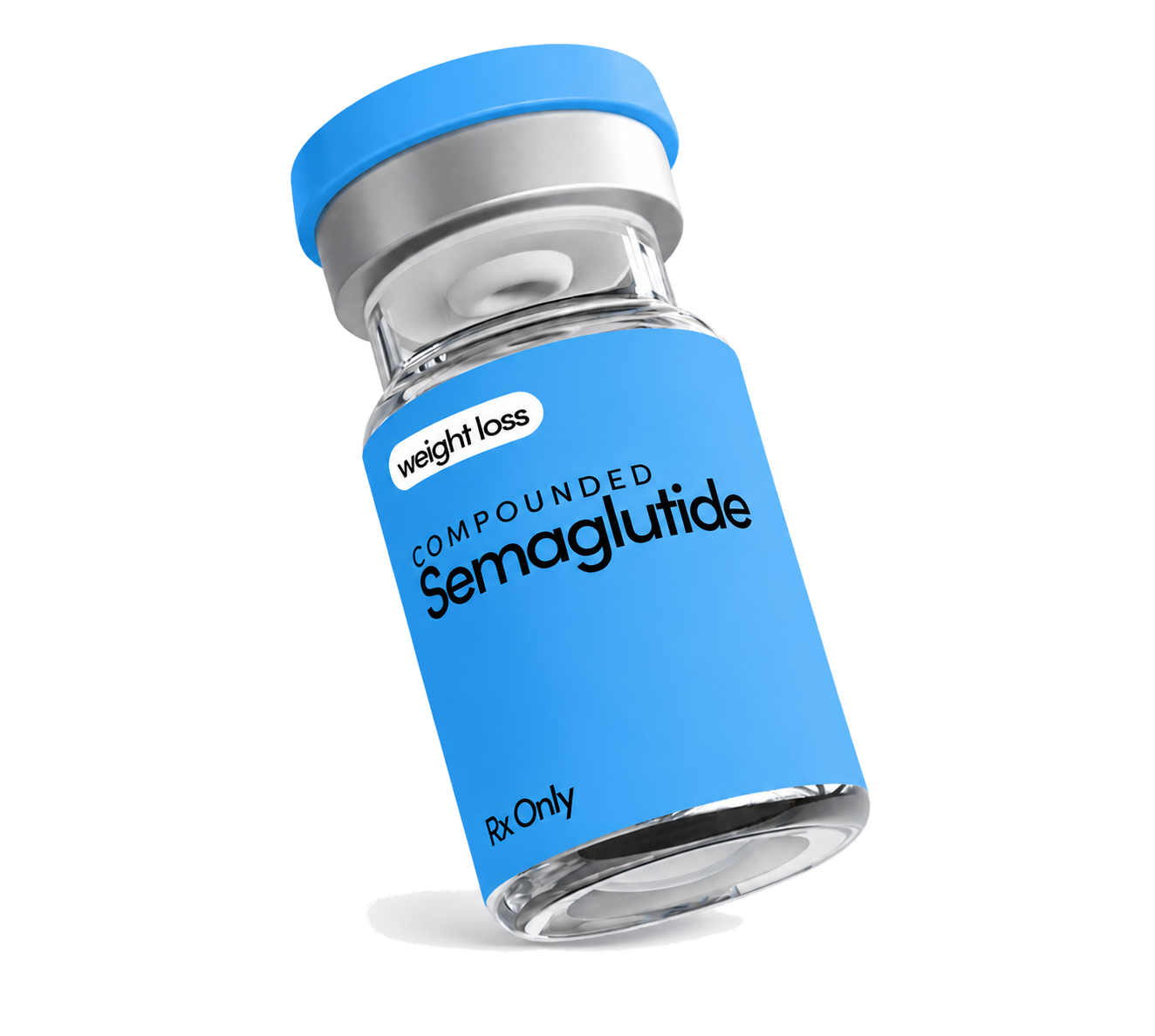
SemaglutideRx
GLP-1 Receptor Agonist
SemaglutideRx
GLP-1 Receptor Agonist
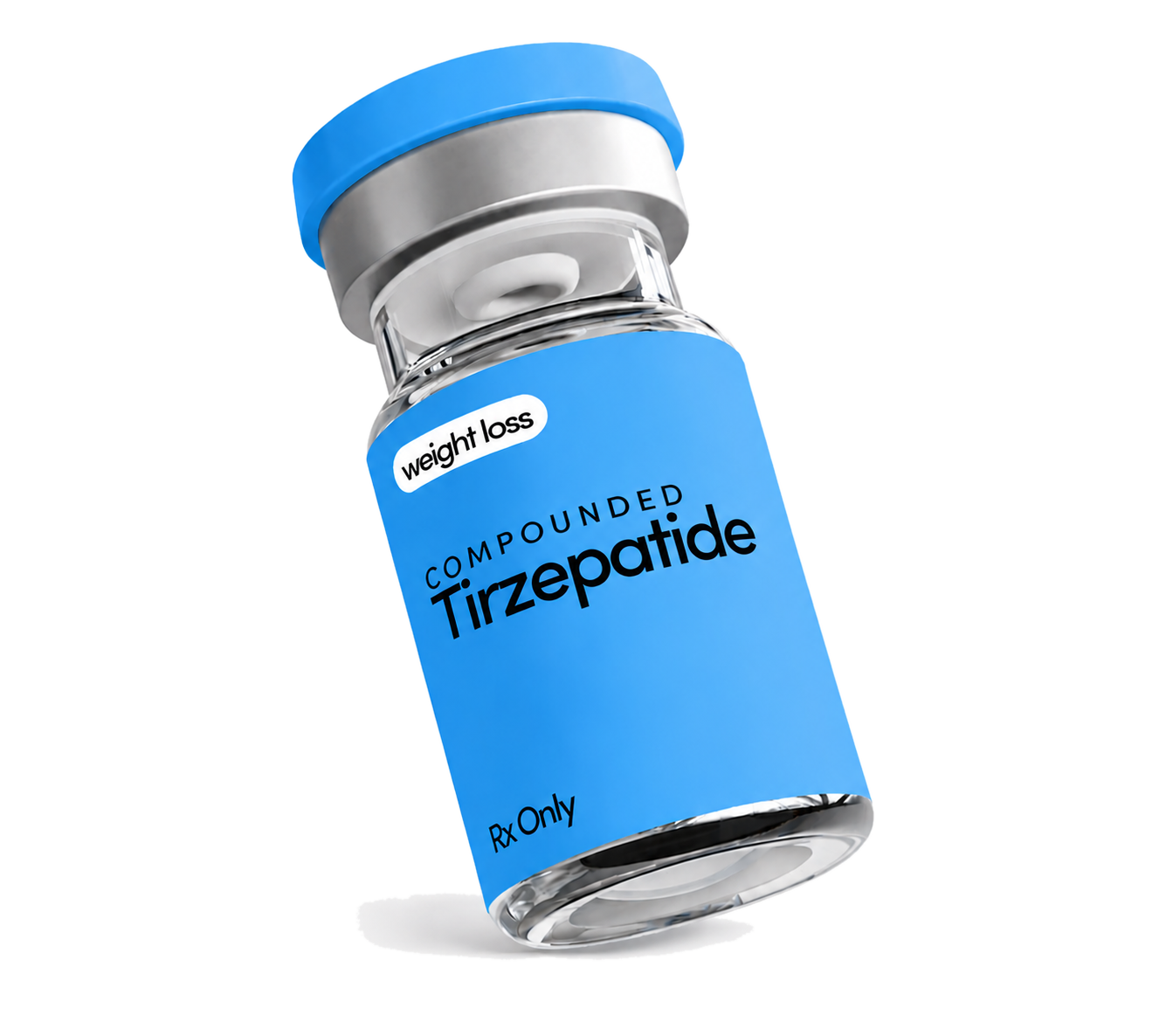
TirzepatideRx
Dual GLP-1 + GIP Receptor Agonist
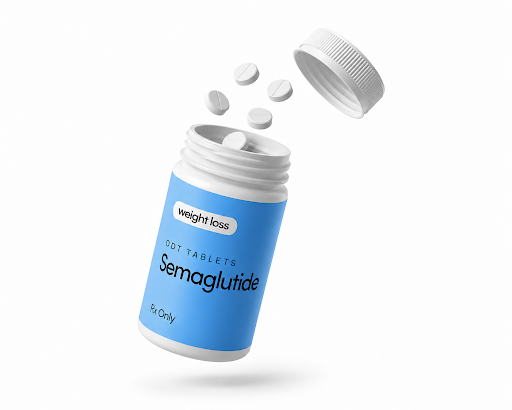
Semaglutide ODT PillsRx
GLP-1 Receptor Agonist - Oral Dissolving Tablet
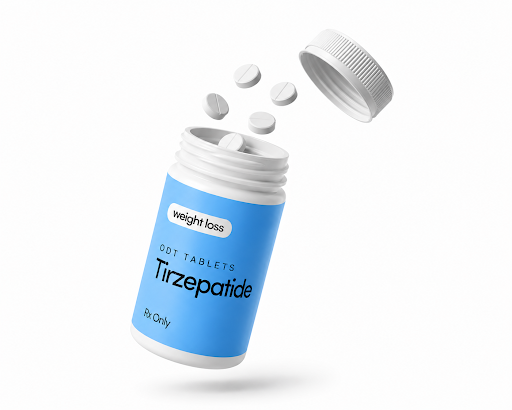
Tirzepatide ODT PillsRx
Dual GLP-1 + GIP Receptor Agonist - Oral Dissolving Tablet
Men's Complete Hair Growth PillRx
Minoxidil, Finasteride, Biotin
Men's Advanced Hair SprayRx
Minoxidil, Finasteride, Fluocinolone, Tretinoin
Women's Premium Hair SprayRx
Minoxidil, Tretinoin, Fluocinolone, Biotin, Melatonin
Women's Complete Hair Growth PillRx
Minoxidil, Vitamin E, Biotin
Written by Luma Meds Team
August 5, 2026 · 6 min read

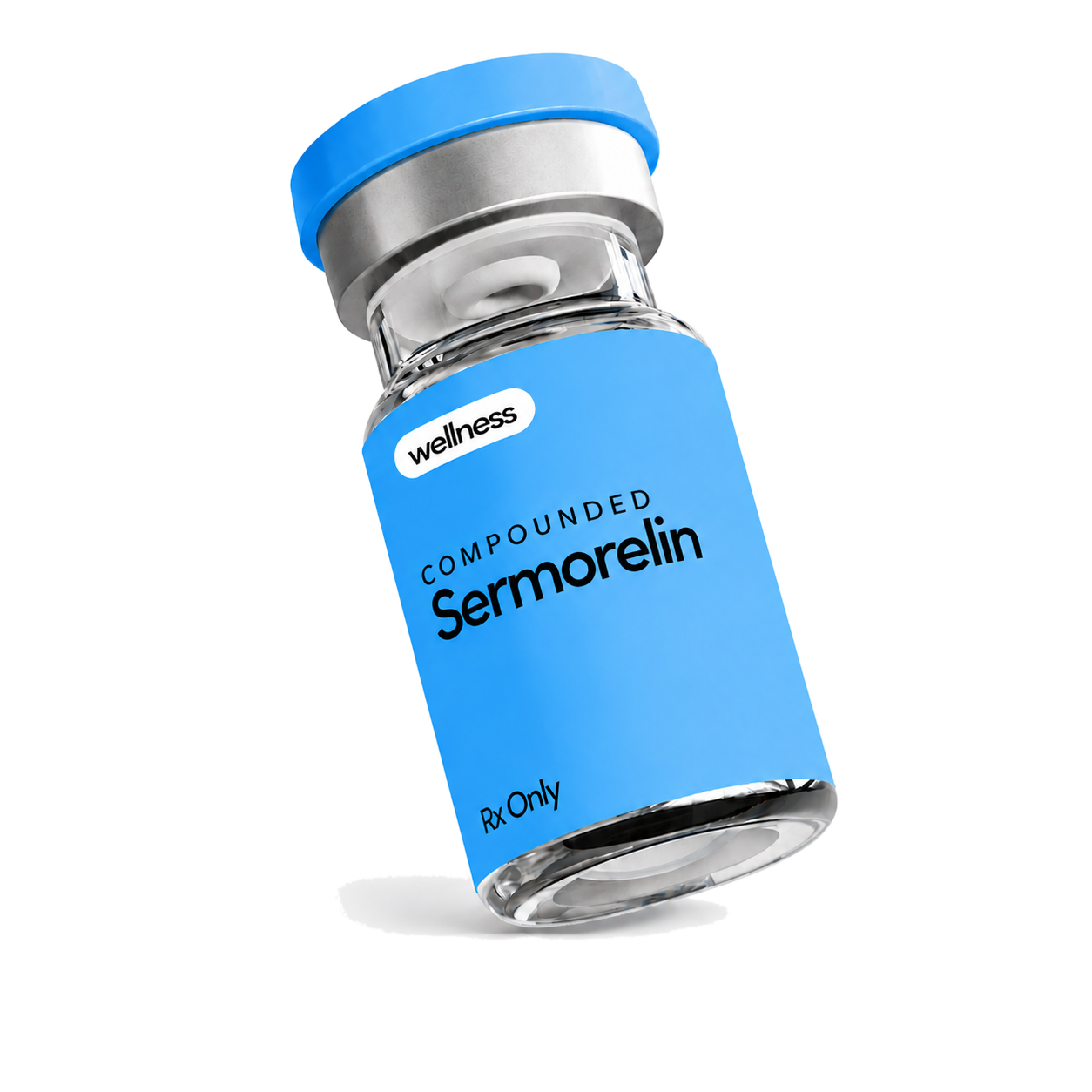
Sermorelin is sometimes discussed alongside testosterone therapy, peptides, and other treatments used in men's health. That can create a common misconception: does Sermorelin actually increase testosterone?
Generally, Sermorelin is not considered a testosterone-boosting treatment. Its primary effect is on the body's growth hormone (GH) pathway, rather than directly stimulating testosterone production.
Sermorelin is a lab-made version of a natural hormone signal called growth hormone-releasing hormone (GHRH).
Your body normally makes GHRH in the brain. It tells the pituitary gland to release growth hormone. Sermorelin copies that signal and encourages your body to make more of its own growth hormone.
Growth hormone can then increase insulin-like growth factor 1 (IGF-1). IGF-1 helps support growth, metabolism, and body composition.
The pathway
The pathway
Sermorelin → Growth Hormone → IGF-1. This is different from the hormone system that controls testosterone.
There is no strong evidence that Sermorelin reliably increases testosterone.
Research on Sermorelin and similar treatments mainly shows changes in growth hormone and IGF-1 — not consistent increases in testosterone. Studies also suggest that raising growth hormone or IGF-1 does not automatically raise testosterone.
In one study of healthy men, growth hormone increased IGF-1 but did not significantly change testosterone, luteinizing hormone (LH), or follicle-stimulating hormone (FSH). That's an important distinction, because GH and testosterone are separate hormonal systems.
There can be some overlap in the reasons people become interested in the two treatments. Both growth hormone and testosterone are associated with areas such as:
Because of this overlap, Sermorelin is sometimes discussed in the same men's-health programs as testosterone replacement therapy. But similar treatment goals don't mean the medications work through the same hormones.
Potentially overlapping symptoms make this question complicated.
Someone experiencing low energy, changes in body composition, reduced exercise capacity, or poor recovery may associate those symptoms with testosterone. But those symptoms aren't specific to low testosterone.
Sermorelin's effects on the GH/IGF-1 pathway could potentially influence certain aspects of wellbeing or body composition without actually increasing testosterone. That's why symptom improvement alone shouldn't be interpreted as evidence that testosterone levels increased.
Daily Wellness
Complete a quick online visit and a licensed provider will review whether Sermorelin therapy is appropriate for your goals.
Start your Sermorelin visitSermorelin and testosterone replacement therapy (TRT) are fundamentally different treatments.
| Sermorelin | TRT | |
|---|---|---|
| Primary pathway | Growth hormone (GH/IGF-1) | Testosterone |
| Raises testosterone directly? | No | Yes |
| Stimulates your own GH release? | Yes | No |
| Corrects testosterone deficiency? | No | Yes, when diagnosed |
Someone with clinically low testosterone shouldn't assume that Sermorelin will correct the underlying testosterone deficiency. Likewise, someone interested in Sermorelin doesn't necessarily need testosterone therapy.
The appropriate treatment depends on symptoms, medical history, laboratory testing, and evaluation by a healthcare provider.
Sermorelin is not primarily a testosterone-boosting medication.
It works by stimulating the body's growth hormone pathway, which may increase growth hormone and influence IGF-1 levels. Current evidence doesn't demonstrate that Sermorelin reliably increases testosterone.
Although Sermorelin and testosterone therapy may sometimes be discussed for similar goals, they work through different hormonal pathways and shouldn't be considered interchangeable.
At Luma Meds, eligible patients are evaluated by a licensed healthcare provider who can determine whether an available treatment option may be appropriate based on their medical history, goals, and individual needs.
This article is for educational purposes only and is not intended to provide medical advice, diagnosis, or treatment. Individual treatment decisions should be made with a licensed healthcare provider.
Share this article