Most Popular
from$139.99/mo
SemaglutideRx
GLP-1 Receptor Agonist
SemaglutideRx
GLP-1 Receptor Agonist
TirzepatideRx
Dual GLP-1 + GIP Receptor Agonist
Semaglutide ODT PillsRx
GLP-1 Receptor Agonist - Oral Dissolving Tablet
Tirzepatide ODT PillsRx
Dual GLP-1 + GIP Receptor Agonist - Oral Dissolving Tablet
NAD+Rx
Energy, Focus, Recovery
SermorelinRx
Recovery, Sleep, Vitality
GlutathioneRx
Skin, Immunity, Wellness
Lipo-B (MIC + B12)Rx
Energy, Metabolism, Wellness
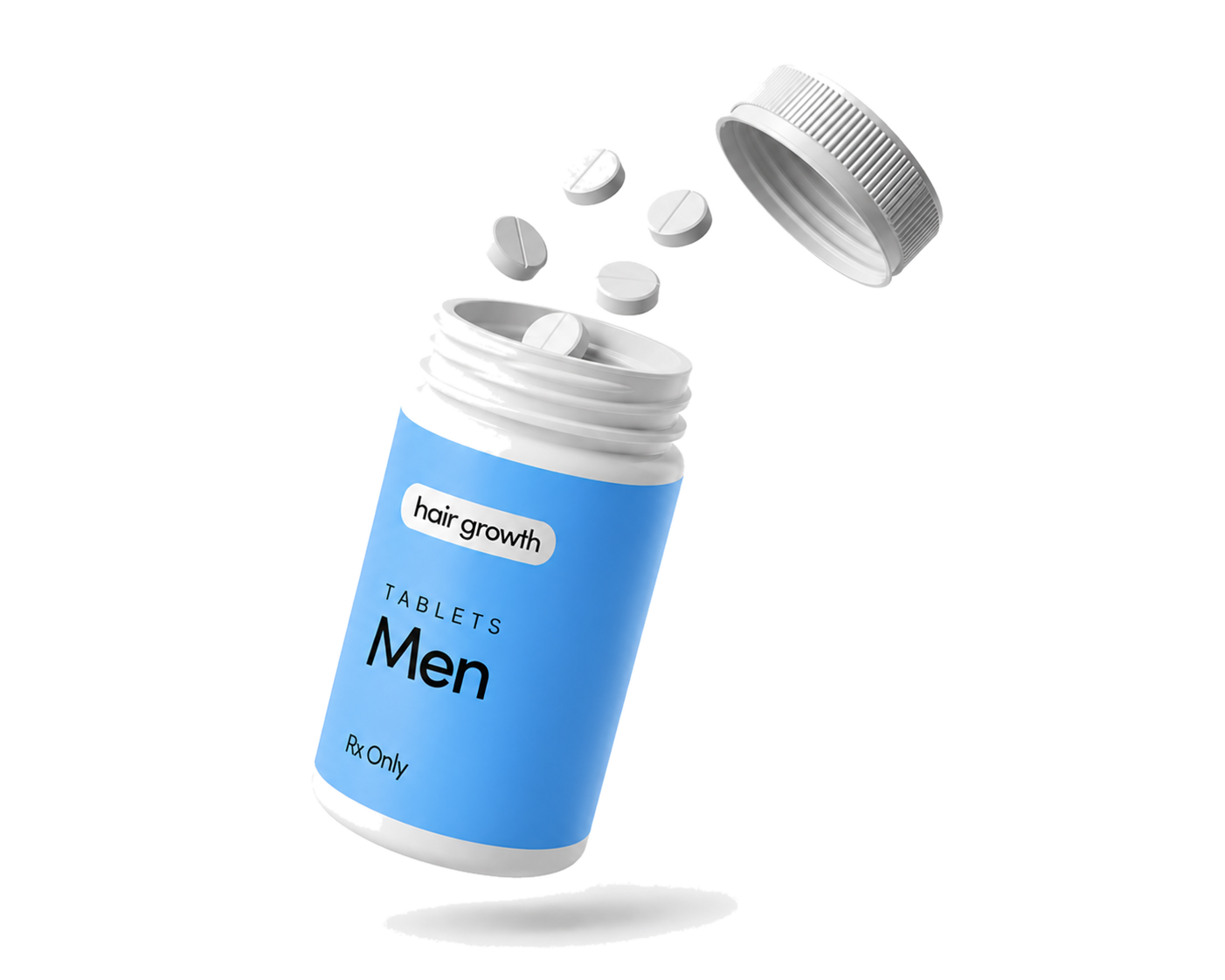
Men's Complete Hair Growth PillRx
Minoxidil, Finasteride, Biotin
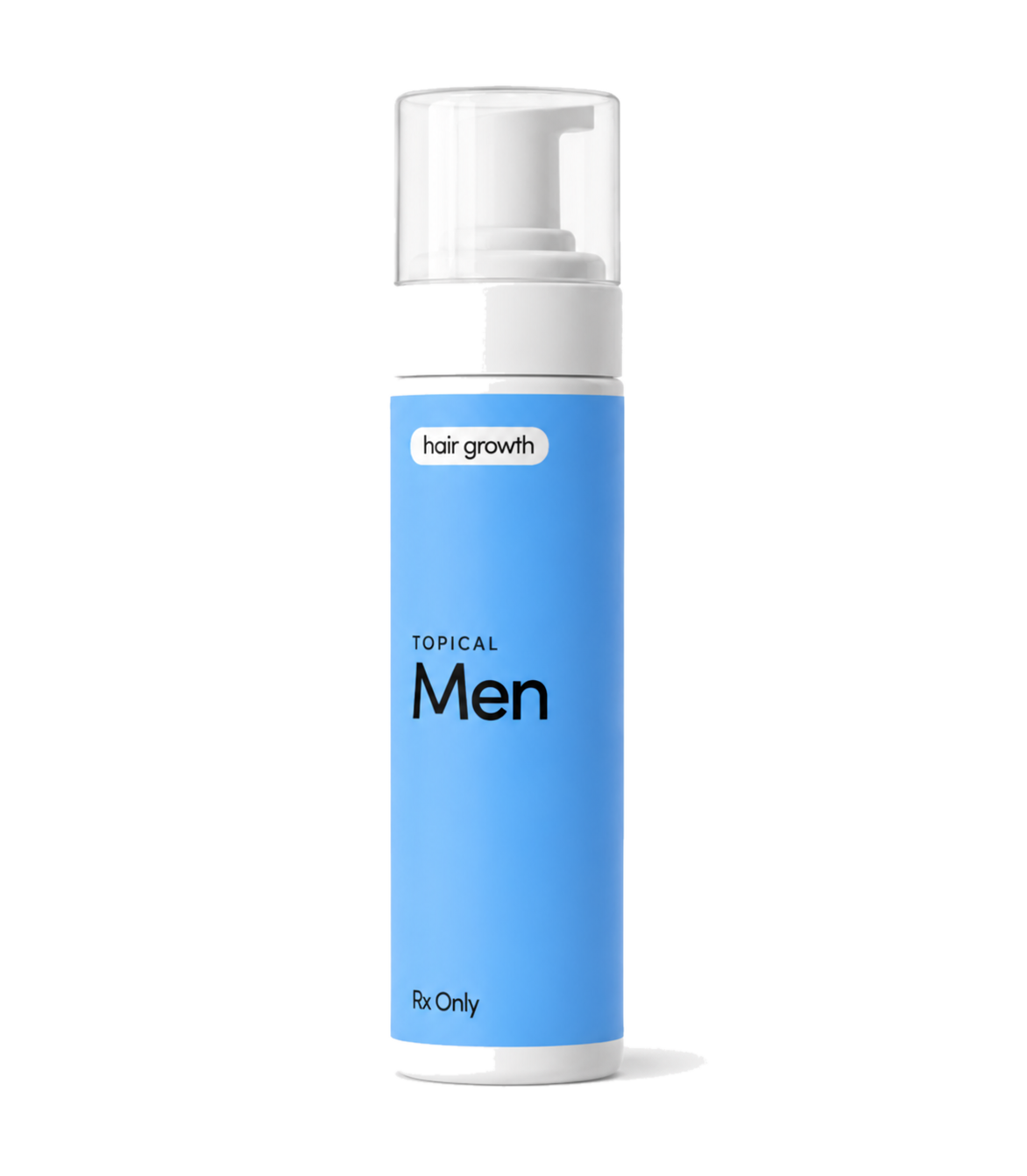
Men's Advanced Hair SprayRx
Minoxidil, Finasteride, Fluocinolone, Tretinoin
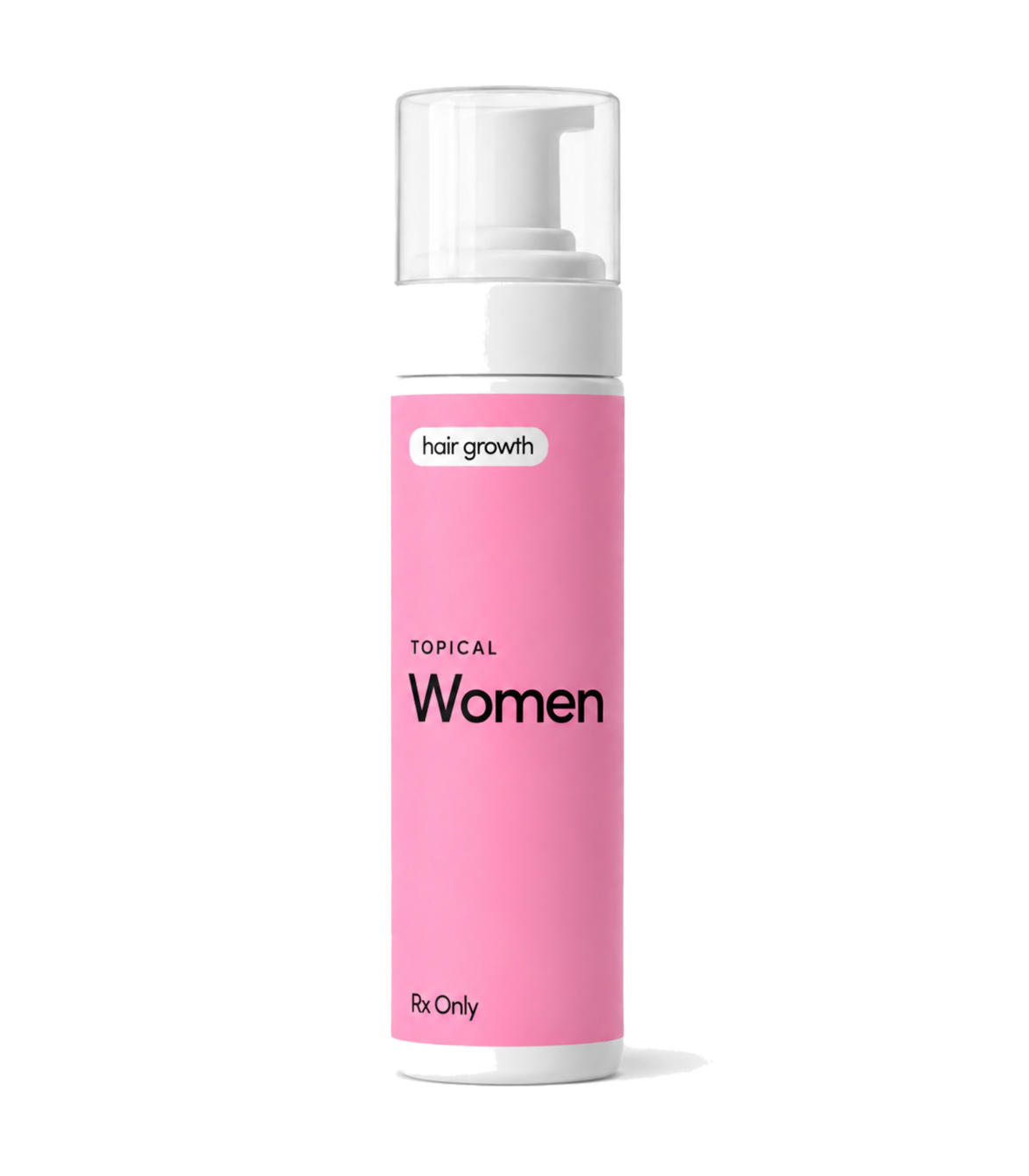
Women's Premium Hair SprayRx
Minoxidil, Tretinoin, Fluocinolone, Biotin, Melatonin
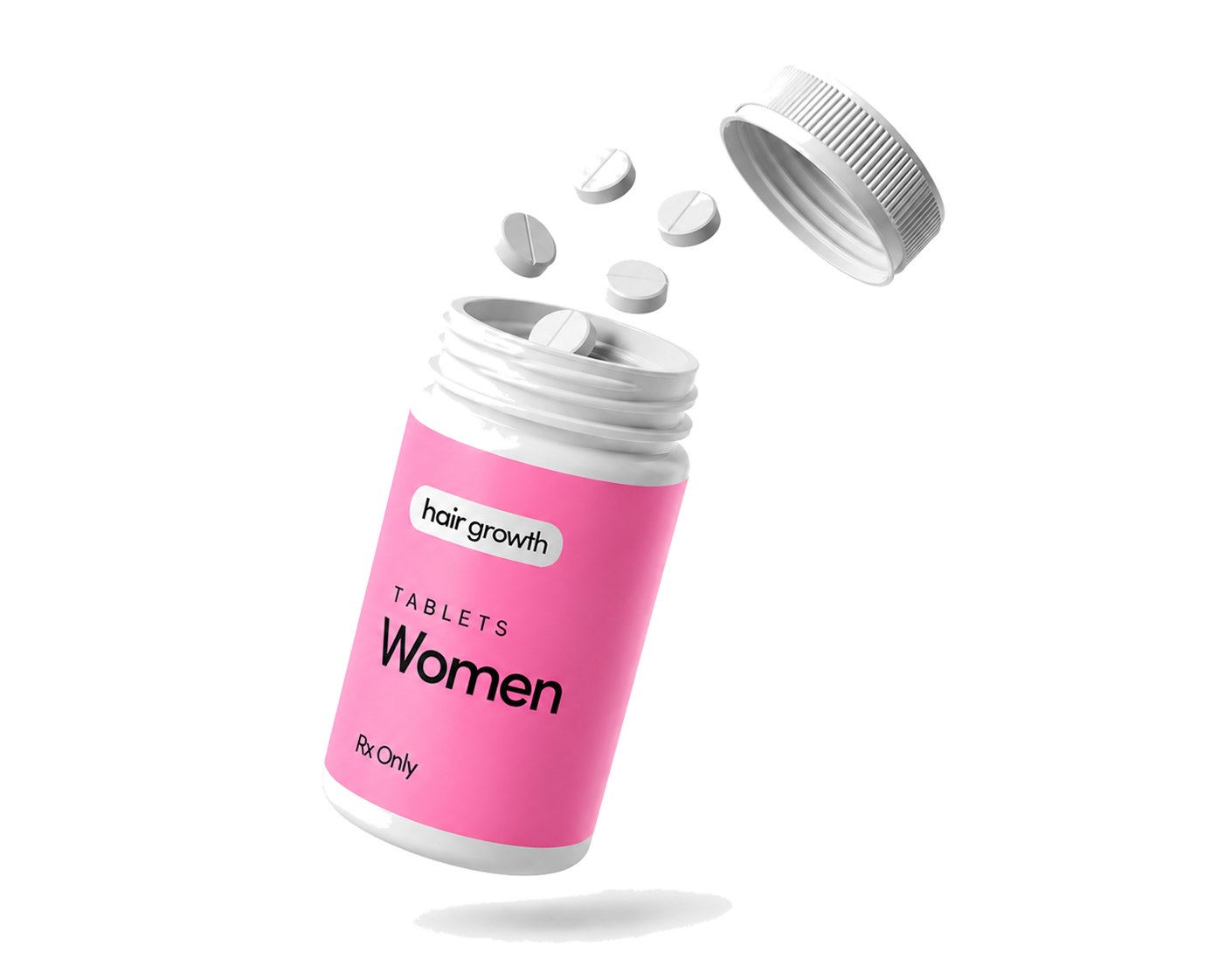
Women's Complete Hair Growth PillRx
Minoxidil, Vitamin E, Biotin
Written by Luma Meds Team
August 6, 2026

If both Sermorelin and HGH affect growth hormone, aren't they basically doing the same thing? Not quite. Both involve the body's growth hormone system, but they take two very different approaches.
HGH gives your body growth hormone directly. Sermorelin signals your pituitary gland to release growth hormone your body produces itself.
That difference may sound small. It's actually the key to understanding why someone might prefer one approach over the other. Let's make it simple.
Think of your body's growth hormone system like a factory. Your pituitary gland is the factory producing growth hormone.
Instead of asking the factory to produce something, you're supplying growth hormone from outside the body.
Sermorelin acts on receptors in your pituitary and signals it to release your own growth hormone.
So while both approaches interact with the same overall hormonal system: HGH replaces. Sermorelin stimulates. That's the biggest difference.
Your body doesn't normally release growth hormone at one steady level all day long. Instead, it releases GH in pulses. These pulses rise and fall throughout the day, with some of the largest releases occurring around deep sleep.
Your body also has feedback mechanisms that help regulate this system. That's part of what makes Sermorelin interesting. Instead of introducing growth hormone directly, Sermorelin works one step earlier in the pathway by stimulating the pituitary gland.
HGH essentially enters farther down that pathway.
Same hormonal system. Different starting point.
Did you know?
Did you know?
Your body naturally releases growth hormone in pulses rather than continuously. Sermorelin stimulates the pituitary through the GHRH receptor, working with the same signaling pathway the body naturally uses to regulate GH secretion.
For someone exploring peptide or longevity therapy, there's something appealing about this concept: you're stimulating a system your body already has rather than directly supplying the end hormone.
That's why Sermorelin is often attractive to people looking for a more physiology-based approach to supporting growth hormone activity.
HGH — or recombinant human growth hormone — is essentially a manufactured version of human growth hormone. When administered, you're providing growth hormone directly.
And HGH absolutely has legitimate medical uses. Prescription growth hormone is FDA-approved for specific conditions involving growth hormone deficiency and certain other medical disorders. For someone with a diagnosed condition requiring actual growth hormone replacement, direct HGH may be medically appropriate.
But that's a different situation from a generally healthy adult exploring wellness, recovery, body composition, or healthy aging. In that setting, Sermorelin offers a very different approach: stimulate rather than replace.
| Sermorelin | HGH | |
|---|---|---|
| Is it growth hormone? | No | Yes |
| Where does it act? | Pituitary gland | Throughout GH-responsive tissues |
| Stimulates your own GH? | Yes | No |
| Provides GH directly? | No | Yes |
| Works through GHRH receptors? | Yes | No |
| Relies on pituitary response? | Yes | No |
| Approach | Stimulates natural GH release | Supplies GH directly |
| Prescription required? | Yes | Yes |
The easiest way to remember it:
This is where people sometimes get confused. Growth hormone is involved in several processes adults care about, including:
That's one reason both HGH and growth-hormone-stimulating therapies attract so much interest. But Sermorelin doesn't simply give someone those benefits. Instead, it stimulates a pathway involved in endogenous growth hormone release.
For people interested in wellness, that distinction matters. Rather than approaching the body with “Let's add growth hormone,” Sermorelin takes the approach: “Let's stimulate your existing growth hormone system.”
Daily Wellness
Complete a quick online visit and a licensed provider will review whether Sermorelin therapy is appropriate for you.
Start your Sermorelin visitHere's another interesting difference. Growth hormone secretion has a strong relationship with sleep. One of your body's largest natural GH pulses typically occurs during deep sleep.
That's why Sermorelin protocols are sometimes designed around nighttime administration. The idea fits naturally with how the body's growth hormone system already behaves:
Sermorelin stimulates the signaling pathway upstream of that natural GH release. Specific timing should always follow the instructions of the prescribing healthcare provider.

This is one of the more interesting parts of the comparison. Because Sermorelin relies on the pituitary gland to produce and release growth hormone, the body's normal regulatory system remains involved in the process.
Growth hormone secretion is controlled through a feedback system involving hormones and signals including GHRH, somatostatin, GH, and IGF-1. HGH is different. The growth hormone itself is being supplied externally rather than produced in response to a GHRH signal.
Pro tip
Pro tip
This doesn't mean Sermorelin is automatically risk-free or that the body makes it impossible to have excessive hormonal effects. It's still a prescription therapy that affects the endocrine system. That's exactly why appropriate dosing, medical screening, and follow-up matter.
You'll sometimes hear Sermorelin described that way. It's catchy — but it's not quite accurate. Sermorelin is not HGH.
A better way to describe it is: Sermorelin stimulates the release of your body's own growth hormone. That's actually a more interesting distinction anyway. You're not injecting growth hormone. You're injecting a peptide that communicates with the pituitary gland responsible for producing it.
Both therapies affect the growth hormone/IGF-1 system, so neither should be treated like an ordinary wellness supplement. With growth hormone therapies, clinicians may monitor for issues involving things such as:
Sermorelin can also cause injection-site reactions and other adverse effects. Individual risks depend on the patient, dose, medical history, other medications, and treatment goals.
That's why the best version of peptide therapy isn't “Everyone should take this.” It's: “Is this appropriate for me?” That's a question to answer with a healthcare provider.
The goal for most people isn't to have the growth hormone levels they had as a teenager. It's to continue functioning well as they get older. That might mean caring more about:
Growth hormone biology intersects with many of these areas. And because natural growth hormone secretion changes with age, it's easy to understand why people have become interested in supporting the pathway.
Sermorelin gives them a particularly interesting option: work with the body's GH signaling system instead of simply replacing the hormone.
There isn't one answer for every patient.
For someone with a diagnosed medical condition requiring growth hormone replacement, prescription HGH may be appropriate. But for someone exploring a more proactive approach to growth hormone support, recovery, body composition, or healthy aging, Sermorelin offers a fundamentally different strategy.
Instead of providing growth hormone directly: it asks your body to release its own. And for many people exploring peptide therapy, that's exactly what makes Sermorelin worth discussing with a healthcare provider.
Sermorelin and HGH affect the same hormonal system — but they aren't interchangeable.
That's why Sermorelin has become such an interesting option in peptide and longevity care. For someone who doesn't require direct growth hormone replacement but is interested in supporting their body's existing GH pathway, Sermorelin offers an approach worth exploring.
Sometimes the goal isn't to replace what your body makes. It's to support the signal that tells your body to make it.
Daily Wellness
A licensed provider reviews your online visit and, if appropriate, prescribes Sermorelin compounded by licensed U.S. pharmacies and shipped to your door.
Start your Sermorelin visitThis article is for educational purposes only and is not intended to provide medical advice, diagnosis, or treatment. Individual treatment decisions should be made with a licensed healthcare provider.
Share this article