Most Popular
from$139.99/mo
SemaglutideRx
GLP-1 Receptor Agonist
SemaglutideRx
GLP-1 Receptor Agonist
TirzepatideRx
Dual GLP-1 + GIP Receptor Agonist
Semaglutide ODT PillsRx
GLP-1 Receptor Agonist - Oral Dissolving Tablet
Tirzepatide ODT PillsRx
Dual GLP-1 + GIP Receptor Agonist - Oral Dissolving Tablet
NAD+Rx
Energy, Focus, Recovery
SermorelinRx
Recovery, Sleep, Vitality
GlutathioneRx
Skin, Immunity, Wellness
Lipo-B (MIC + B12)Rx
Energy, Metabolism, Wellness
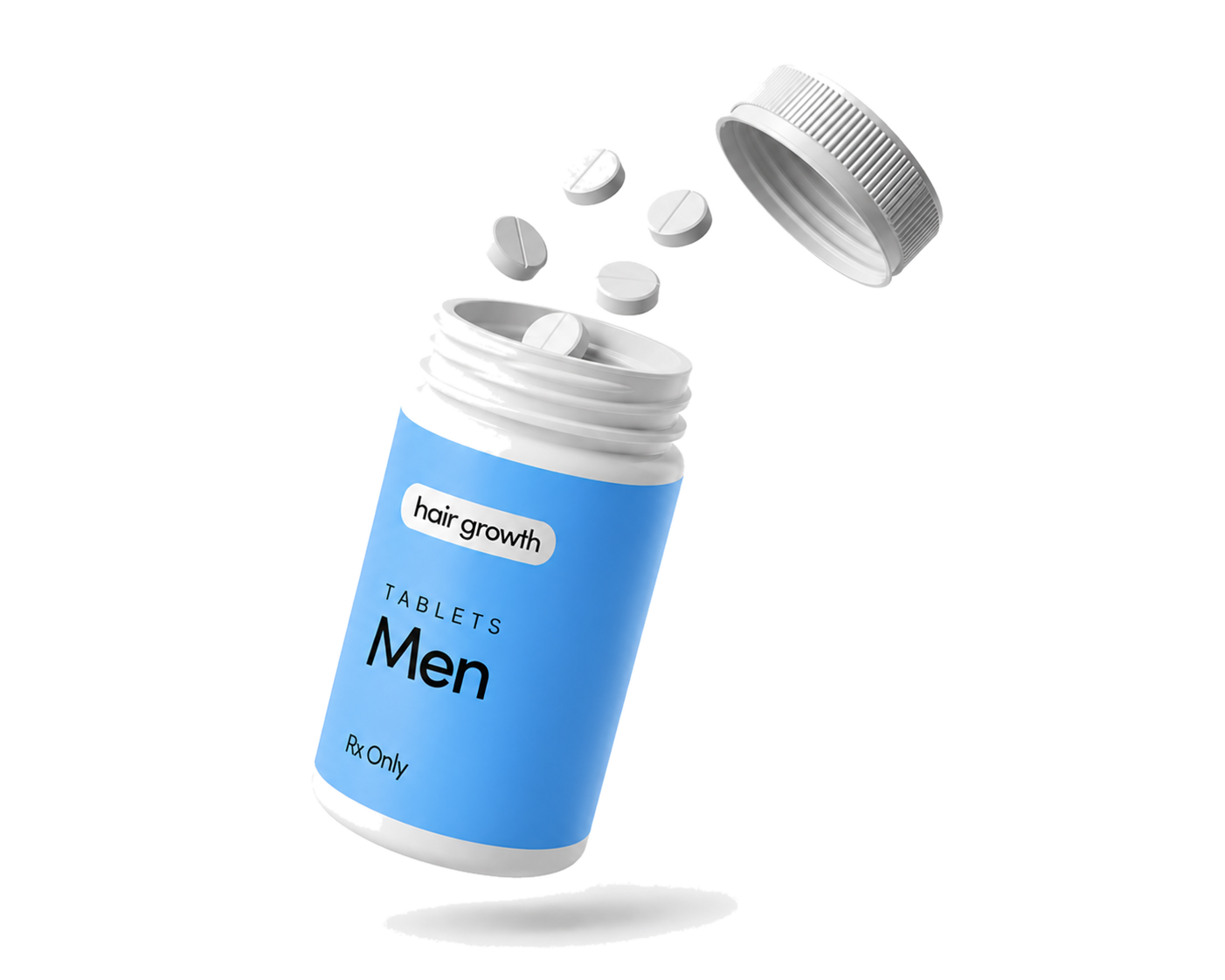
Men's Complete Hair Growth PillRx
Minoxidil, Finasteride, Biotin
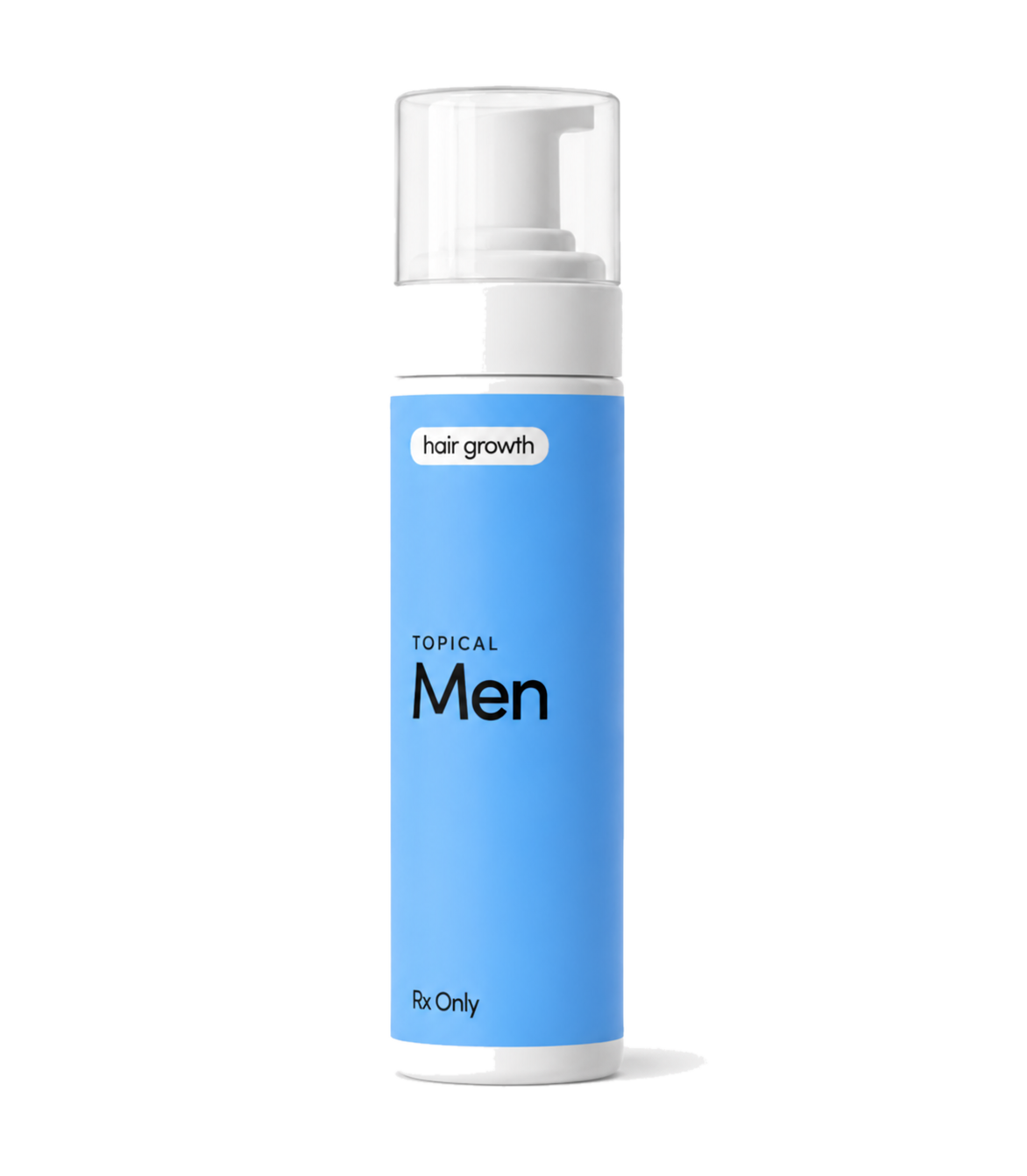
Men's Advanced Hair SprayRx
Minoxidil, Finasteride, Fluocinolone, Tretinoin
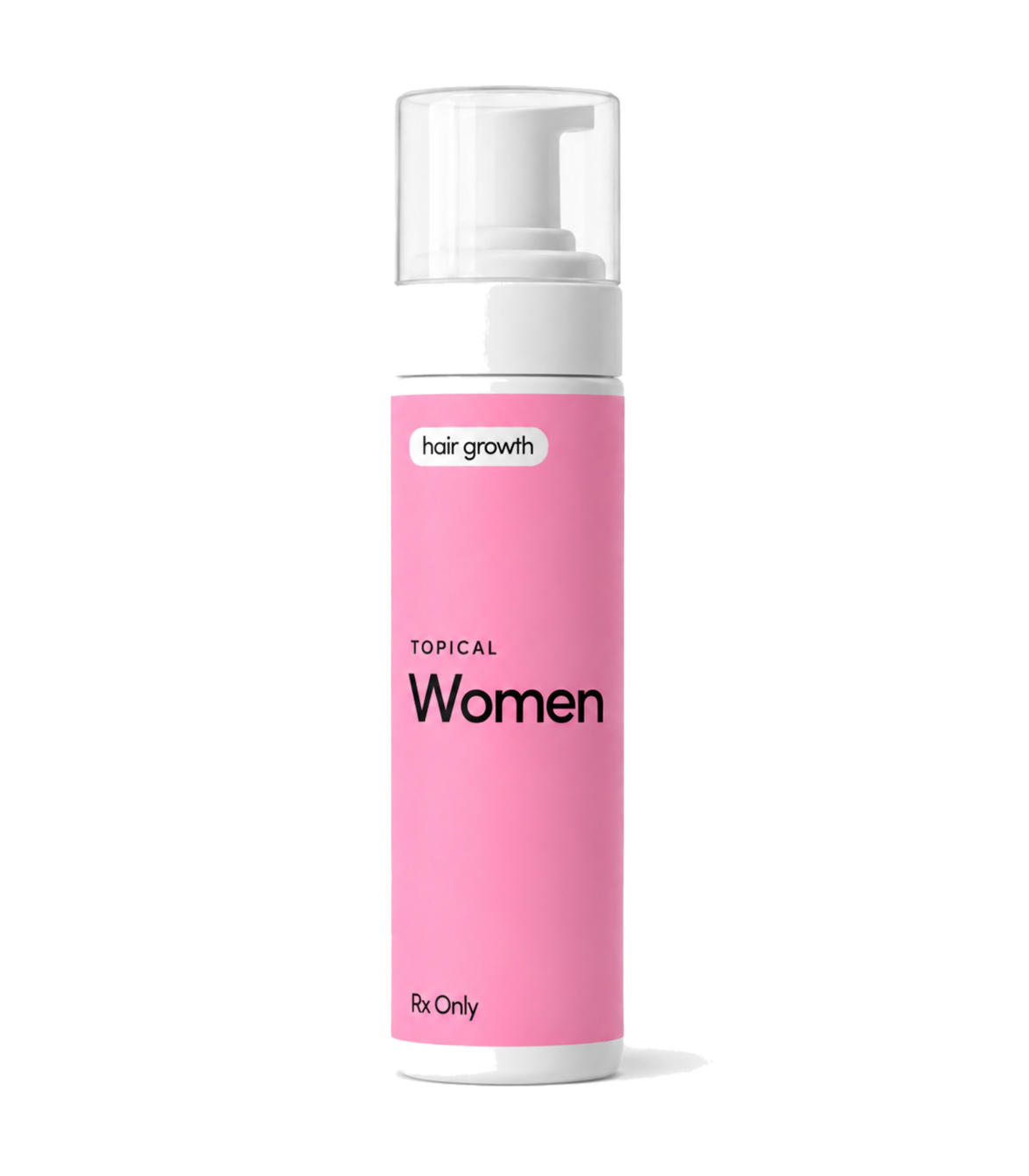
Women's Premium Hair SprayRx
Minoxidil, Tretinoin, Fluocinolone, Biotin, Melatonin
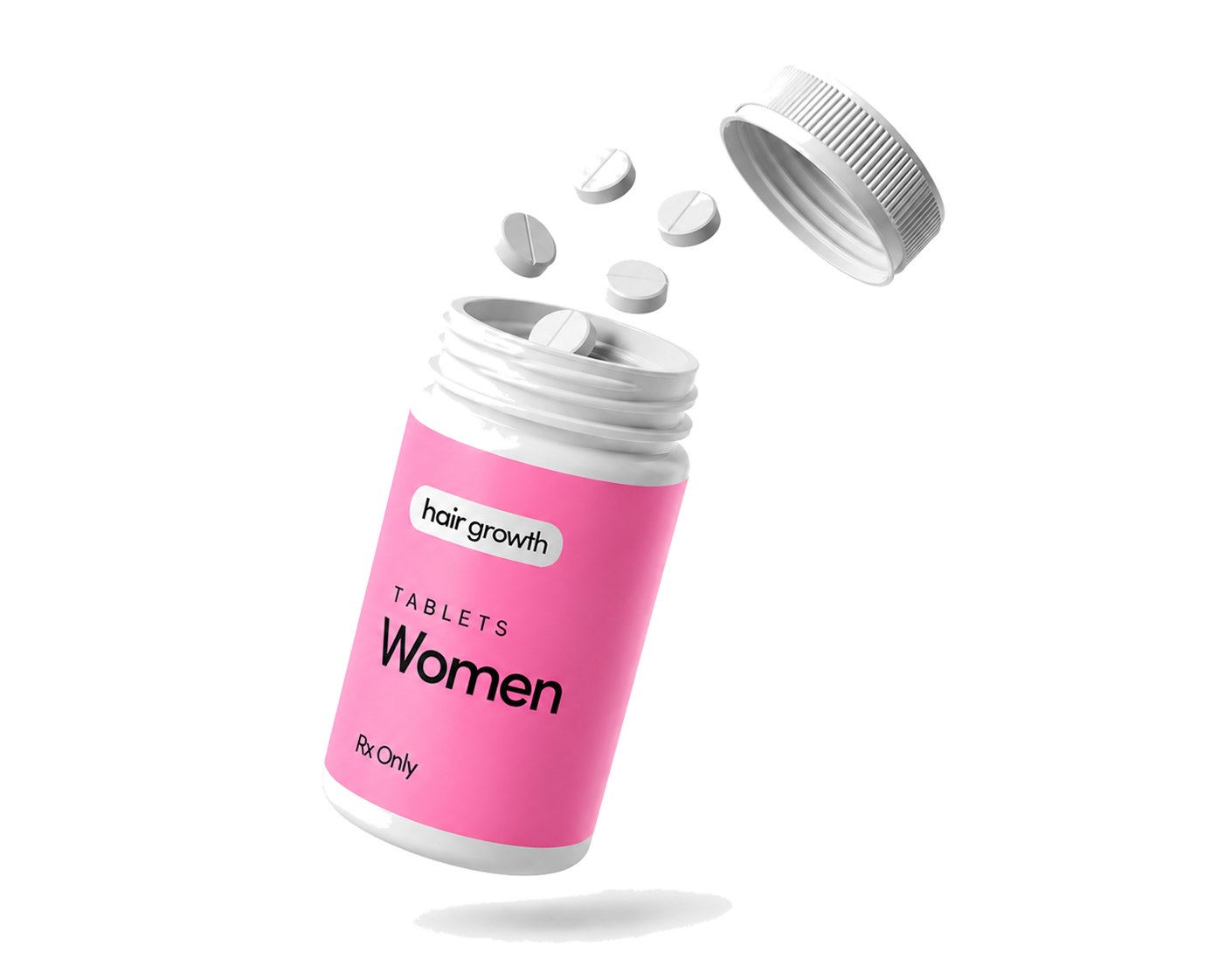
Women's Complete Hair Growth PillRx
Minoxidil, Vitamin E, Biotin
Written by Luma Meds Team
August 7, 2026
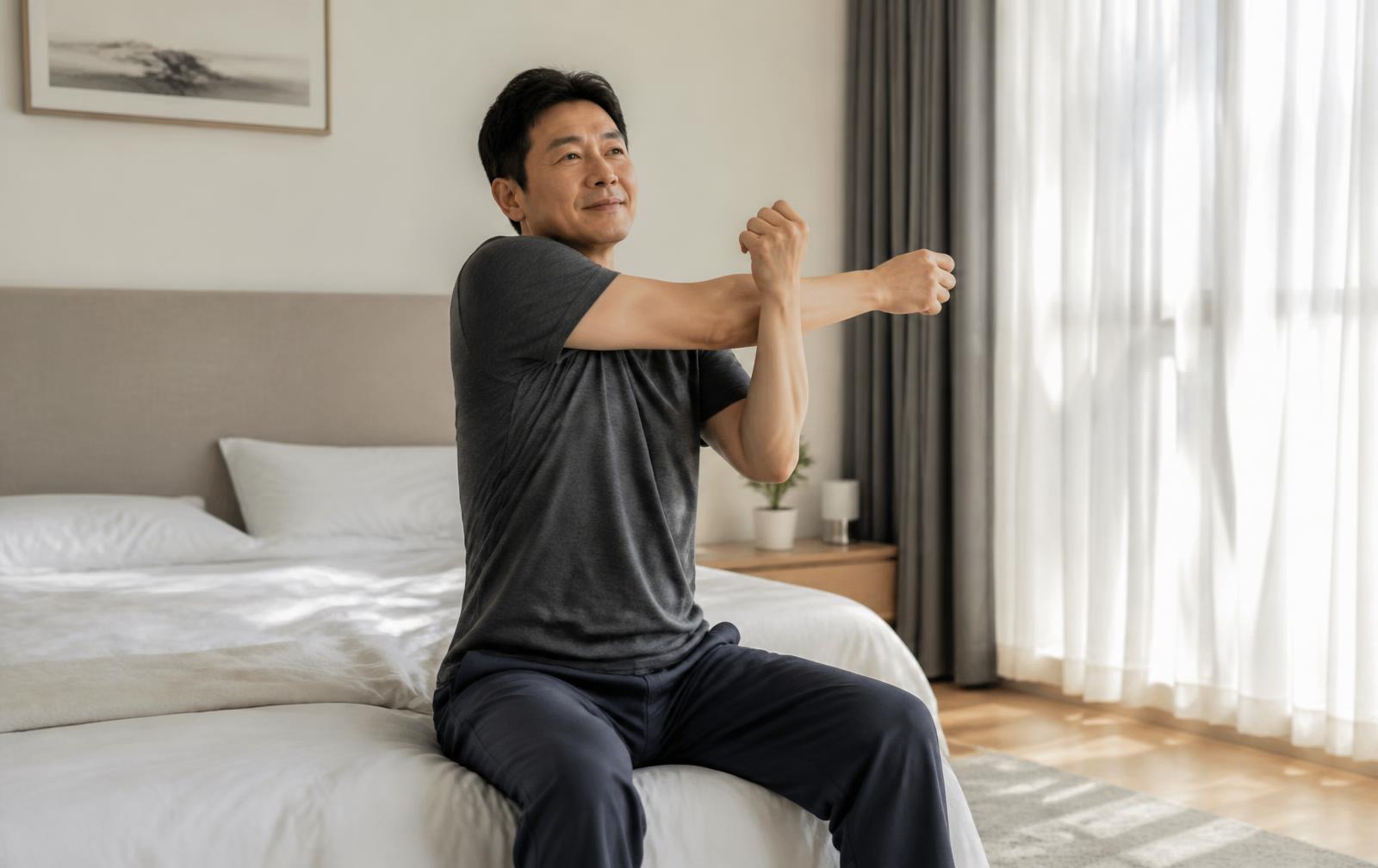
What if feeling better as you get older wasn't only about adding more supplements — but supporting a system your body has relied on your entire life? That's a big part of the interest surrounding Sermorelin.
Most people exploring Sermorelin are looking for realistic ways to support their sleep, recovery, and overall wellness as they age. They're usually looking for something much more relatable:
And there's an interesting connection between all three: growth hormone. Sermorelin works by signaling your pituitary gland to release your body's own growth hormone — and that pathway is connected to several processes that matter throughout adulthood. So what could that actually mean for you? Let's break it down.
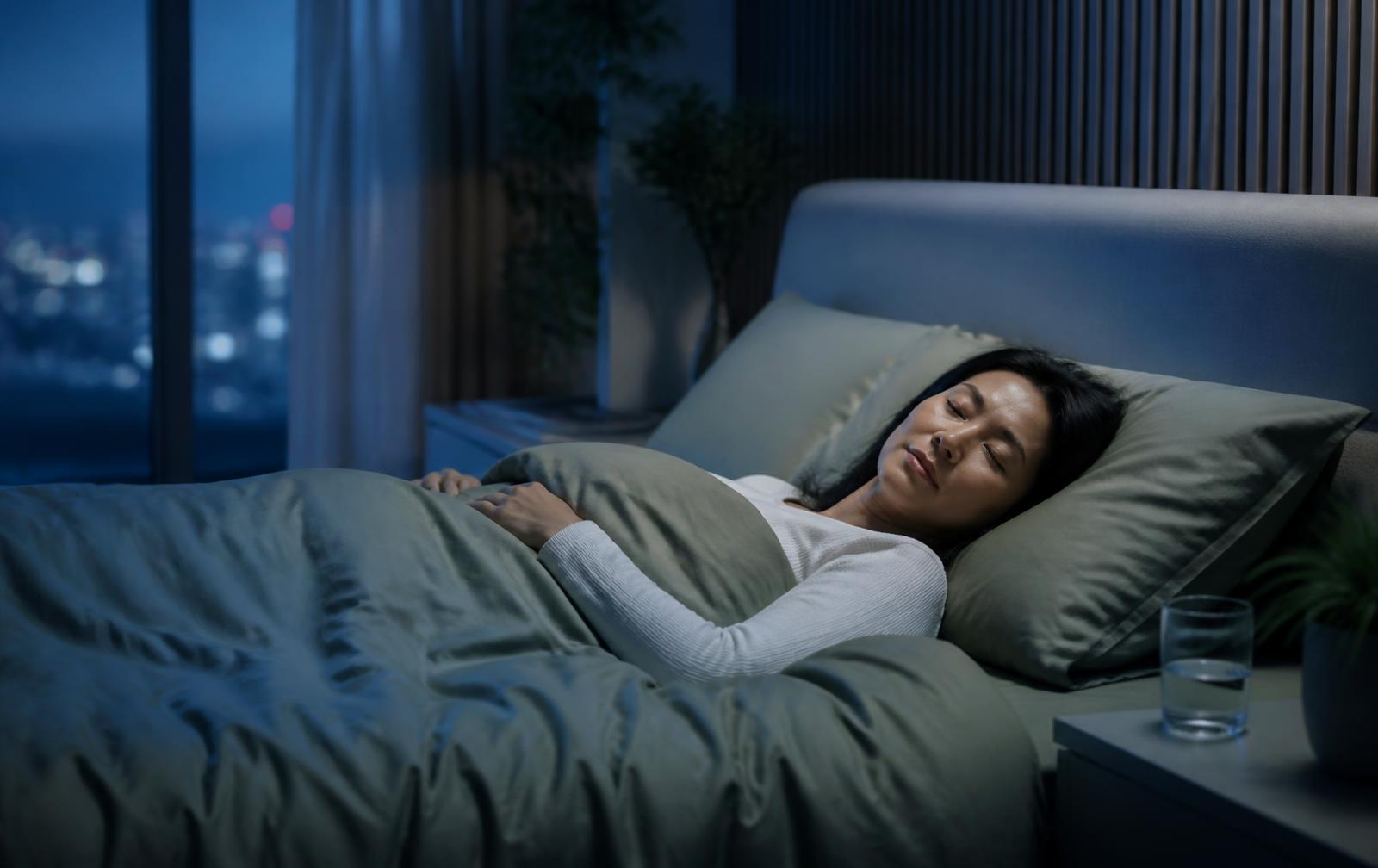
Have you ever slept for eight hours and somehow still woken up feeling like you barely slept? There's a difference between simply being asleep and getting truly restorative sleep. And growth hormone has a fascinating relationship with the latter.
Your body doesn't release growth hormone evenly throughout the day. It releases it in pulses, and one of the strongest natural GH pulses is closely associated with deep, slow-wave sleep — the stage of sleep commonly associated with physical restoration.
In fact, research examining healthy men across different ages found that the amount of growth hormone released was significantly associated with the amount of slow-wave sleep they experienced. That's part of the reason sleep and the growth hormone pathway are so closely connected.
Did you know?
Did you know?
Your nighttime routine isn't only giving your brain a break. Sleep is an active period for your body's recovery systems. Growth hormone secretion tends to surge during deeper stages of sleep, when your body is busy with many of the processes involved in restoration and repair.
Here's where things get interesting. Sermorelin works like a natural signal that tells your pituitary gland to release growth hormone. This signal is called growth hormone-releasing hormone, or GHRH.
Because this natural signal is connected to sleep, researchers have studied how it may affect sleep quality. Some human studies have found that GHRH may be linked to:
However, this does not mean Sermorelin is a sleeping pill. And that's actually part of its appeal. Sermorelin isn't designed to make you drowsy. Instead, it works with a natural hormone pathway that is already connected to sleep and nighttime growth hormone release. For someone interested in supporting sleep, recovery, and overall wellness, this is very different from simply taking something that makes you feel sleepy.
Pro tip
Pro tip
Think “supporting nighttime recovery,” not “knocking yourself out.” Good sleep still starts with the fundamentals — consistent sleep schedules, limiting late-night alcohol, managing stress, exercise, and a good sleep environment. Sermorelin is better viewed as part of a broader wellness strategy.
Here's something easy to forget: your workout is the stimulus. Recovery is where your body adapts.
Exercise creates stress on muscles and tissues. Your body then needs time, nutrition, sleep, and normal hormonal signaling to recover from that stress. Growth hormone participates in several processes relevant to that recovery cycle, including:
Sermorelin doesn't replace exercise or magically build muscle while you sleep. Instead, the reason it's interesting for active adults is that it stimulates a hormonal pathway already involved in normal tissue maintenance and recovery.

Because recovery isn't just for athletes. Maybe you're trying to:
Recovery becomes increasingly important when the goal isn't just performing today — it's staying capable tomorrow. And that's where Sermorelin starts fitting into the bigger healthy-aging picture.
Remember when you could sleep five hours, stay out all night, and somehow function the next morning? Your body changes. Growth hormone is no exception.
GH secretion tends to decline with age, alongside changes in deep sleep and body composition. Research involving healthy men from adolescence through older adulthood found a substantial age-related decline in slow-wave sleep that occurred alongside a major decline in growth hormone secretion.
That doesn't mean declining growth hormone is responsible for every change associated with getting older. But it helps explain why researchers have spent decades studying the GH/IGF-1 pathway and aging — and why Sermorelin has become interesting in longevity-focused care.
This is where we think the conversation around “anti-aging” often gets wrong. The goal shouldn't be: “How do I make my body 20 again?”
A better question is: “How do I keep doing the things I love as I get older?” That's what healthspan is really about.
Maybe at 50, 60, or 70 you still want to:
That's a much more meaningful version of longevity.
As adults get older, several changes can occur at the same time:
Researchers have naturally asked whether the growth hormone pathway is connected to some of these changes. Studies directly administering HGH to older adults have demonstrated changes in lean mass and fat mass, confirming that the GH/IGF-1 system can influence body composition. However, HGH itself hasn't been shown to be a longevity treatment and carries meaningful risks when used in otherwise healthy older adults.
That's one reason a therapy like Sermorelin is conceptually interesting. Instead of supplying growth hormone directly, Sermorelin stimulates your existing growth hormone-release pathway. It's a different approach to the same biological system.
Daily Wellness
Complete a quick online visit and a licensed provider will review whether Sermorelin therapy is appropriate for you.
Start your Sermorelin visit| Goal | Why Sermorelin Is Interesting |
|---|---|
| Sleep and nighttime recovery | GH secretion is closely connected with deep sleep, and GHRH signaling has been studied for its relationship with sleep |
| Physical recovery | Growth hormone participates in tissue maintenance, metabolism, and IGF-1 signaling |
| Healthy aging | Natural GH secretion changes with age, creating interest in supporting the body's existing GH pathway |
The key word here is support. Sermorelin isn't promising to make someone younger overnight. It's about working with a system your body already uses.
Yes — but it's important to understand what the research actually tells us. Scientists have studied the relationship between GHRH, growth hormone, sleep, body composition, and aging for decades.
For example, researchers gave nightly subcutaneous GHRH injections to healthy men ages 64 to 76 and demonstrated that the treatment could sustain increases in GH and IGF-1 over six weeks. Other human studies have demonstrated that GHRH administration can influence both growth hormone secretion and aspects of sleep architecture.
What we don't want to do is turn those findings into promises that every person taking Sermorelin will sleep better, recover faster, lose fat, or feel younger. The science is more nuanced than that. But the biological pathway Sermorelin targets? That's very real. And that's why people continue to be interested in it.
This is one of the most common questions with wellness treatments. And Sermorelin isn't really an instant-gratification treatment. You shouldn't expect: injection tonight → completely different person tomorrow morning.
It works by stimulating a hormonal signaling pathway. That means the experience may be gradual, and it can vary considerably from one person to another. Someone might be most interested in changes surrounding their sleep and recovery. Someone else may be focused on maintaining physical wellness as they get older. And another person may simply want to be more proactive about their long-term health.
Sermorelin is better thought of as a routine, not a quick fix.
Sermorelin may be worth discussing with a healthcare provider if your goals sound something like:
That last point is especially important. Sermorelin doesn't provide growth hormone itself. It sends a signal to your pituitary gland to release the growth hormone your body produces. For many people exploring peptide therapy, that's a big part of the appeal.
No injection replaces the basics. You still need:
But longevity isn't always about choosing between lifestyle or modern medicine. For some people, it's about building a strong lifestyle foundation and then exploring additional ways to support the biological systems involved in how they feel and function.
That's where Sermorelin fits into the conversation. Not as a miracle anti-aging shot. But as a peptide that works with one of the body's existing hormonal pathways involved in sleep, recovery, metabolism, and physical function.
Most people aren't interested in Sermorelin because they want “more growth hormone.” They're interested in what supporting that pathway could mean for their everyday life.
Sermorelin works by stimulating your pituitary gland to release your body's own growth hormone rather than supplying HGH directly. And for adults taking a more proactive approach to sleep, recovery, and healthy aging, that's what makes Sermorelin an interesting option to explore with a healthcare provider.
Healthy aging isn't about chasing your younger self. It's about supporting the version of yourself you want to be years from now.
Daily Wellness
A licensed provider reviews your online visit and, if appropriate, prescribes Sermorelin compounded by licensed U.S. pharmacies and shipped to your door.
Start your Sermorelin visitThis article is for educational purposes only and is not intended to provide medical advice, diagnosis, or treatment. Individual treatment decisions should be made with a licensed healthcare provider.
Share this article