Most Popular
from$139.99/mo
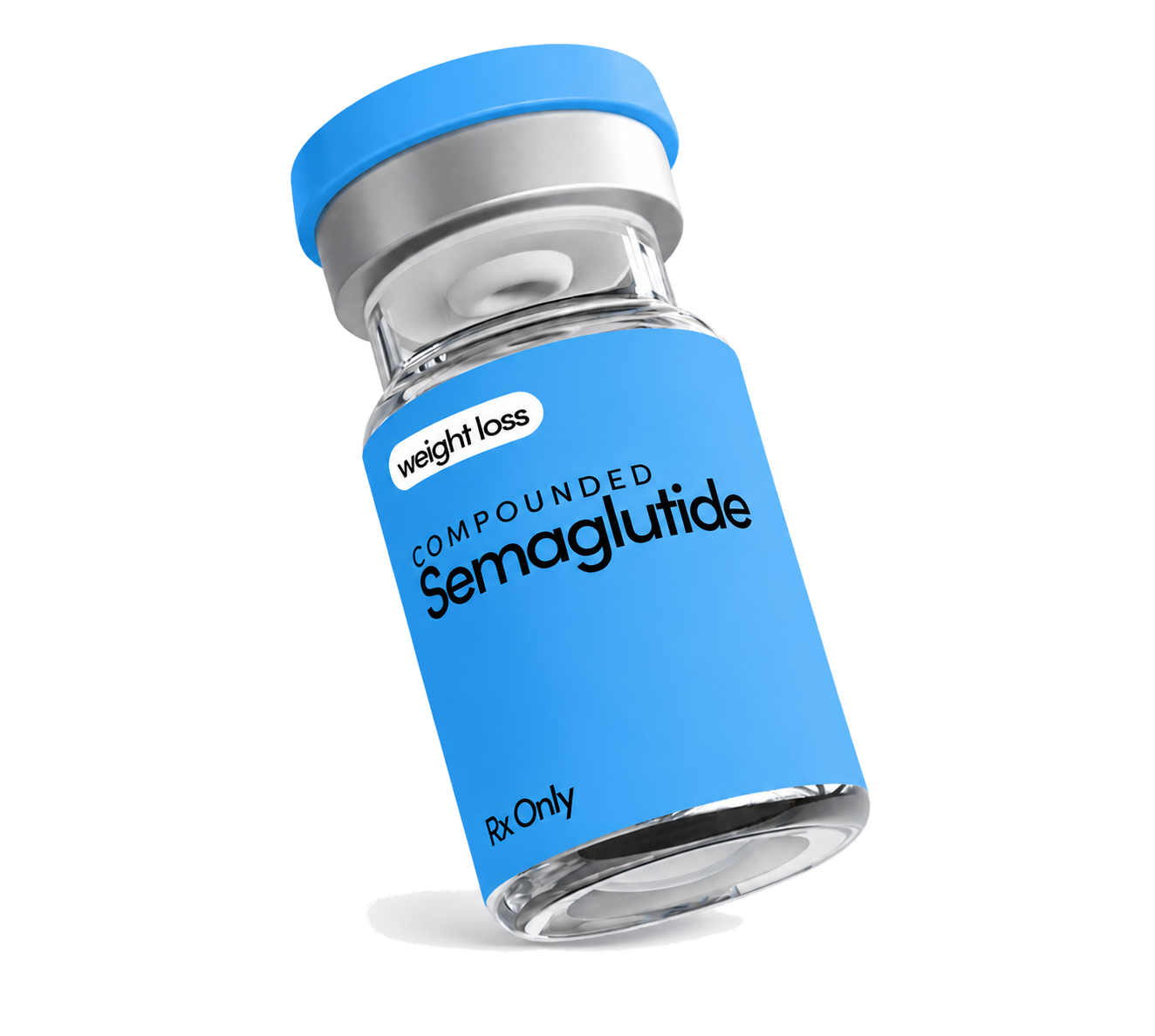
SemaglutideRx
GLP-1 Receptor Agonist
SemaglutideRx
GLP-1 Receptor Agonist
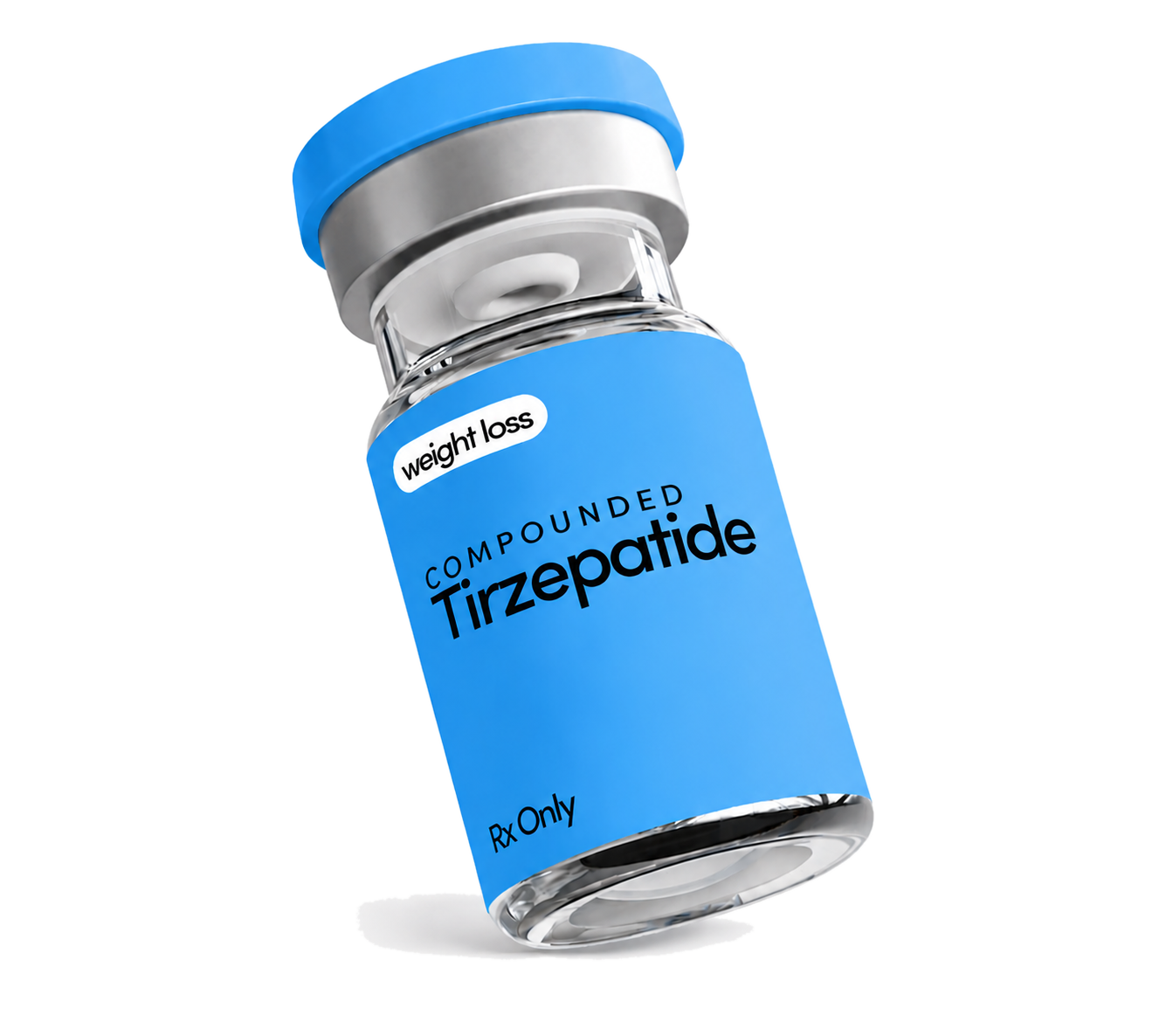
TirzepatideRx
Dual GLP-1 + GIP Receptor Agonist
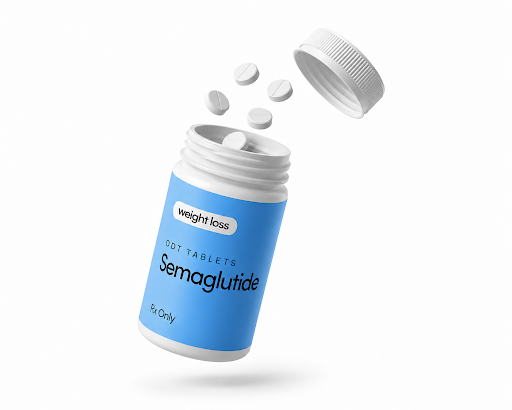
Semaglutide ODT PillsRx
GLP-1 Receptor Agonist - Oral Dissolving Tablet
Tirzepatide ODT PillsRx
Dual GLP-1 + GIP Receptor Agonist - Oral Dissolving Tablet
NAD+Rx
Energy, Focus, Recovery
SermorelinRx
Recovery, Sleep, Vitality
GlutathioneRx
Skin, Immunity, Wellness
Lipo-B (MIC + B12)Rx
Energy, Metabolism, Wellness
Men's Complete Hair Growth PillRx
Minoxidil, Finasteride, Biotin
Men's Advanced Hair SprayRx
Minoxidil, Finasteride, Fluocinolone, Tretinoin
Women's Premium Hair SprayRx
Minoxidil, Tretinoin, Fluocinolone, Biotin, Melatonin
Women's Complete Hair Growth PillRx
Minoxidil, Vitamin E, Biotin
Written by Luma Meds Team
August 12, 2026
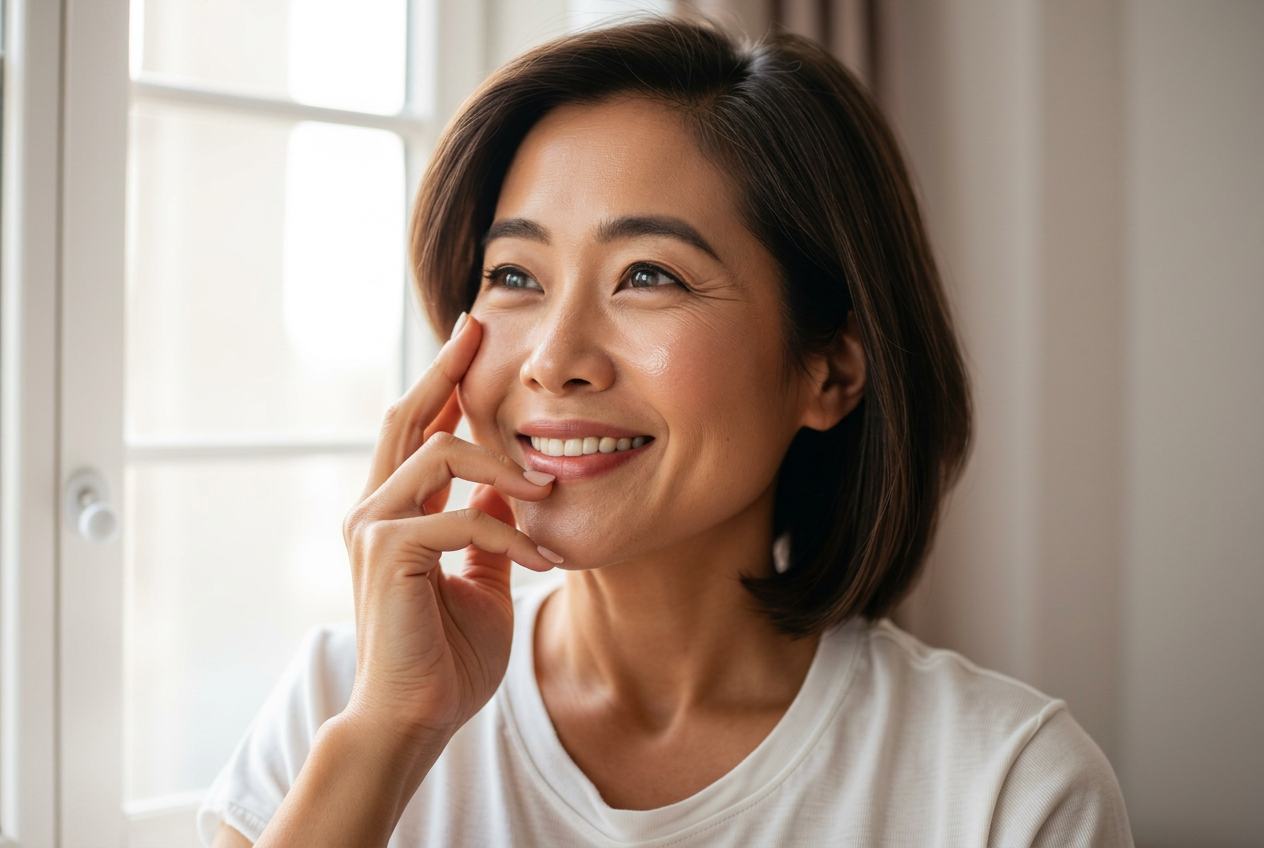
Can glutathione really make your skin look brighter — or is the “glutathione glow” just another social media trend?
The answer is somewhere in the middle.
Glutathione has become incredibly popular in beauty and wellness circles because of its connection to antioxidant protection, skin pigmentation, and overall skin appearance.
And there is real science behind that interest.
But there are also plenty of exaggerated claims.
So if you're considering glutathione for your skin, here's what it may realistically help with — and what it probably won't do.
This phrase gets thrown around a lot.
But skin brightening usually doesn't mean completely changing your natural skin tone.
For most people, it means helping skin look:
That's a much more realistic goal.
Glutathione has become interesting in this space because it interacts with both:
Those two areas can influence how your skin looks over time.
Your skin color is largely influenced by a pigment called melanin.
But there isn't just one type of melanin. Two major forms are:
Glutathione may influence the enzymes and pathways involved in melanin production, including tyrosinase activity.
Researchers have proposed that glutathione may shift melanin production toward lighter pigment pathways under certain conditions.
That's part of the biological reason glutathione has been studied for skin brightening and pigmentation.
Did you know?
Did you know?
Glutathione isn't working like bleach on the skin.
It interacts with biochemical pathways involved in pigmentation. That's a very different process.
This is where the conversation gets more interesting.
Many people are drawn to glutathione because they feel it helps their skin look:
Some people notice changes after using glutathione consistently, while others don't see much of a difference. Results can depend on factors like your skin, lifestyle, sun exposure, and the type of glutathione you're using.
The goal is usually not to completely change your natural skin color. It's more about supporting a healthier, fresher-looking complexion.
Keep expectations realistic
Keep expectations realistic
Glutathione may help some people achieve a brighter-looking appearance, but it isn't an instant fix or a guarantee.
Think of it as one possible part of your overall skin-care and wellness routine — not a magic solution for permanent skin lightening.
For the right person, glutathione may be interesting for several cosmetic goals.
Some studies suggest glutathione may influence melanin production and pigmentation.
That can potentially contribute to a brighter or more radiant-looking complexion over time.
Uneven pigmentation can make skin look dull or inconsistent.
Because glutathione interacts with melanin pathways, researchers have studied whether it may help support a more even appearance.
Your skin is constantly exposed to oxidative stress from:
Glutathione is one of the body's major antioxidants, helping cells manage oxidative stress.
That matters because oxidative stress can contribute to visible changes associated with skin aging.
Some research has explored glutathione in relation to characteristics such as elasticity and wrinkle formation.
The evidence is still developing, but the antioxidant and pigmentation connections make glutathione an appealing option for people interested in long-term skin wellness.
This is where expectations matter.
Glutathione shouldn't be marketed like a magic cosmetic injection. It can't guarantee:
Everyone's skin responds differently.
And pigmentation is influenced by many things besides glutathione, including:
That's why the best goal is usually healthier, brighter-looking skin, not trying to completely alter your natural complexion.
This is one of the most common reasons people become interested in skin-brightening treatments.
Hyperpigmentation can happen for many reasons, including:
Glutathione's relationship with melanin makes it interesting in this area.
But it's important not to oversimplify.
Glutathione isn't a replacement for treating the underlying cause of pigmentation.
For example, someone with melasma may need a completely different treatment strategy than someone dealing with post-inflammatory pigmentation.
That's why persistent or changing pigmentation is something worth discussing with a healthcare or dermatology professional.
You've probably seen this phrase everywhere.
And while “glutathione glow” isn't a medical term, it describes what many people are actually hoping for:
Skin that looks brighter, healthier, and more radiant.
There are a few reasons glutathione fits naturally into that conversation.
It may influence pigmentation.
It supports antioxidant defenses.
And oxidative stress plays a role in how skin ages and responds to environmental exposure.
So the idea isn't completely made up.
But it should be thought of as a gradual cosmetic wellness goal, not an overnight transformation.
This is one of the biggest questions people ask.
And the answer is: it varies.
Skin pigmentation changes don't happen instantly.
Your skin has its own turnover cycle, and melanin-related changes can take time to become visible.
In clinical research, glutathione studies have generally evaluated changes over weeks to months, not days.
That means anyone promising dramatic results after one treatment is probably overselling it.
Pro tip
Pro tip
If skin brightness is your goal, take consistent photos in the same lighting and at the same time of day.
Small changes in lighting can make skin look completely different, which makes it difficult to judge progress accurately.
This is where the delivery conversation becomes relevant.
Most published skin-brightening studies have evaluated oral or topical glutathione.
Injectable glutathione takes a different route by bypassing gastrointestinal absorption.
That makes injections appealing to people who want a more direct delivery approach, but it doesn't mean we can automatically assume injectable glutathione will produce stronger cosmetic results than oral products.
There aren't enough high-quality head-to-head studies to make that claim.
What injections can offer is:
| Oral / Topical Glutathione | Injectable Glutathione | |
|---|---|---|
| Most skin-brightening research | Yes — most published studies | More limited for cosmetic use |
| Relies on digestive absorption | Yes (oral) | No |
| Daily supplement routine | Yes | No — per prescribed schedule |
| Medically guided | Usually self-directed | Yes — prescribed |
| Needle-free | Yes | No |
For someone already interested in glutathione therapy, that can be an attractive difference.

Glutathione can be one part of the picture.
But it shouldn't be the entire picture.
If brighter, healthier-looking skin is the goal, the basics still matter enormously:
Glutathione works best as part of a broader skin-health strategy rather than as a substitute for these things.
Glutathione may be worth exploring if your goals sound like:
Those are much more realistic goals than expecting glutathione to completely change your natural skin tone.
Physician-guided Glutathione
Luma Meds glutathione injections offer a direct, medically guided approach — prescribed online after a health review and delivered to your door.
Start your Glutathione visitGlutathione has earned its place in the skin-wellness conversation for a reason.
Research suggests it can interact with melanin pathways and antioxidant systems, and small human studies have reported improvements in measures of pigmentation and skin appearance.
What it may help support:
What it can't promise:
The best way to think about glutathione isn't:
“How much lighter can I make my skin?”
It's:
“How can I support skin that looks healthier, brighter, and more radiant?”
That's where glutathione becomes much more interesting.
This article is for educational purposes only and is not intended to provide medical advice, diagnosis, or treatment. Cosmetic responses to glutathione vary, and evidence differs by formulation and route of administration. Injectable glutathione should only be used when prescribed and directed by an appropriate healthcare provider.
Share this article