Most Popular
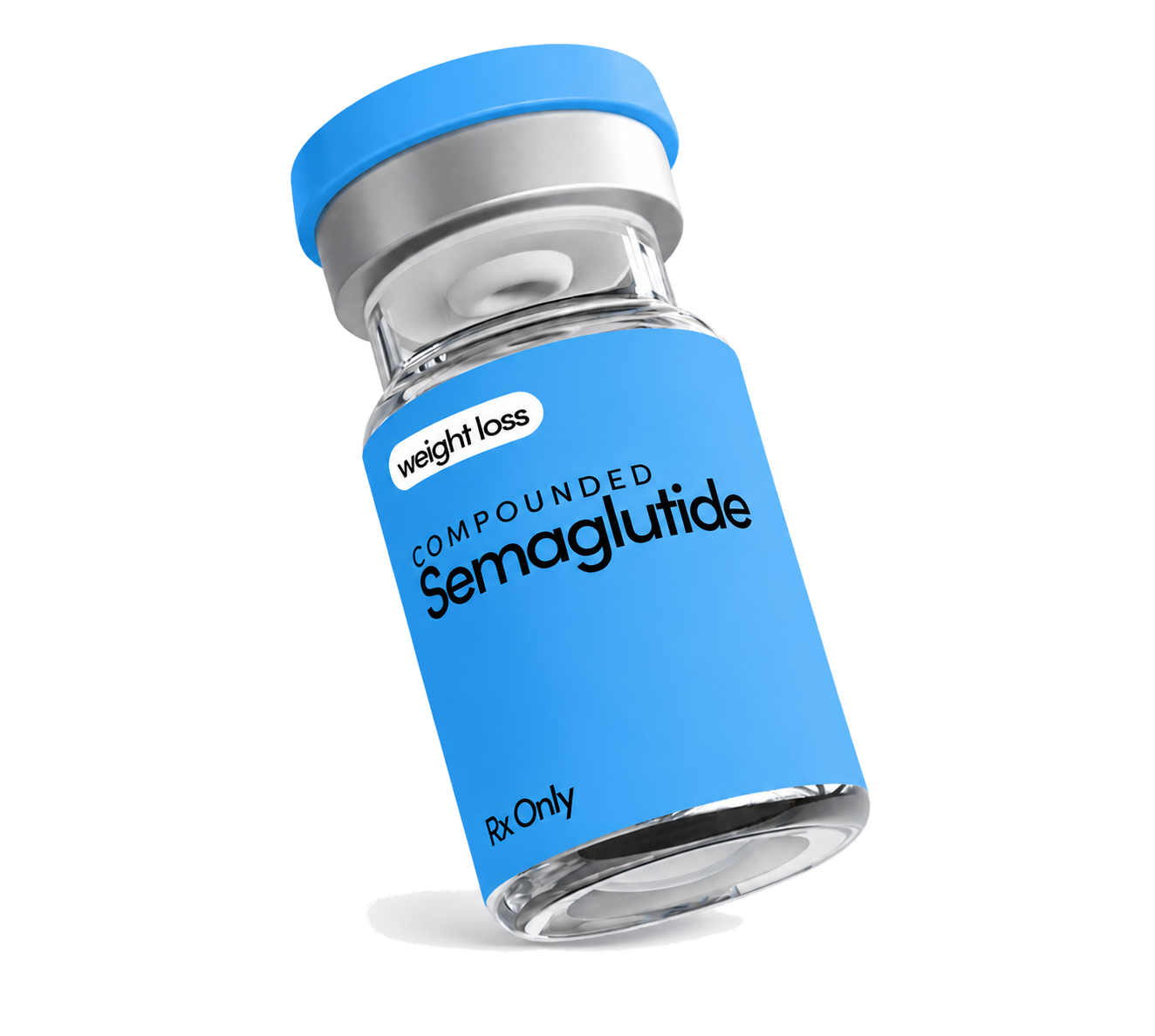
from$139.99/mo
SemaglutideRx
GLP-1 Receptor Agonist
SemaglutideRx
GLP-1 Receptor Agonist
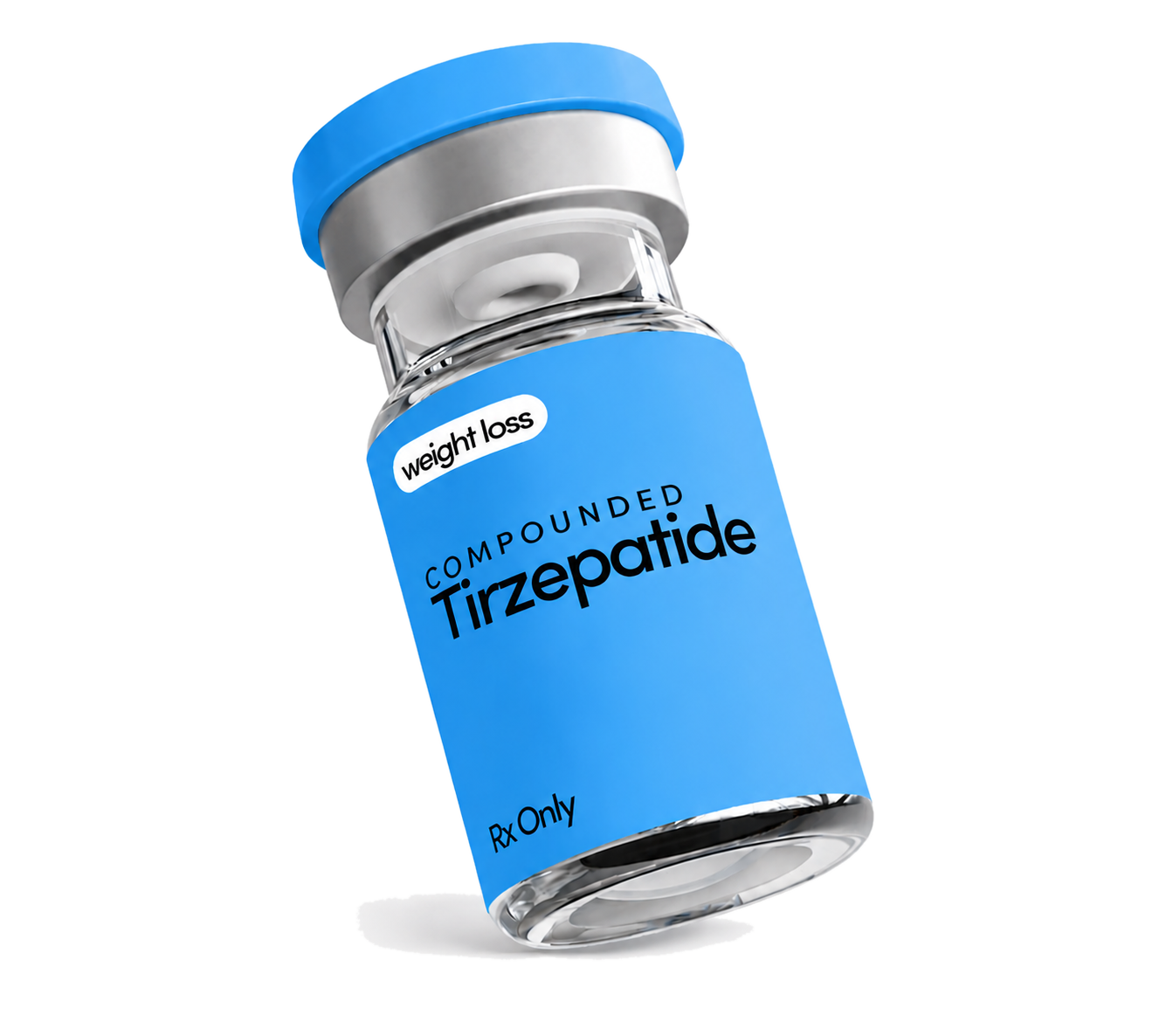
TirzepatideRx
Dual GLP-1 + GIP Receptor Agonist
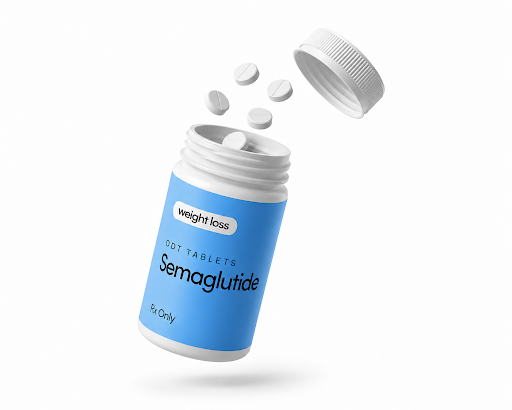
Semaglutide ODT PillsRx
GLP-1 Receptor Agonist - Oral Dissolving Tablet
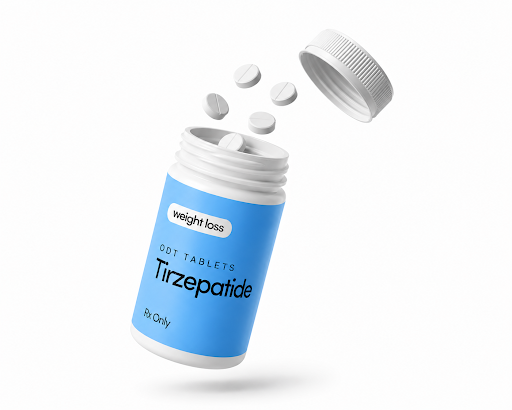
Tirzepatide ODT PillsRx
Dual GLP-1 + GIP Receptor Agonist - Oral Dissolving Tablet
NAD+Rx
Energy, Focus, Recovery
SermorelinRx
Recovery, Sleep, Vitality
GlutathioneRx
Skin, Immunity, Wellness
Lipo-B (MIC + B12)Rx
Energy, Metabolism, Wellness
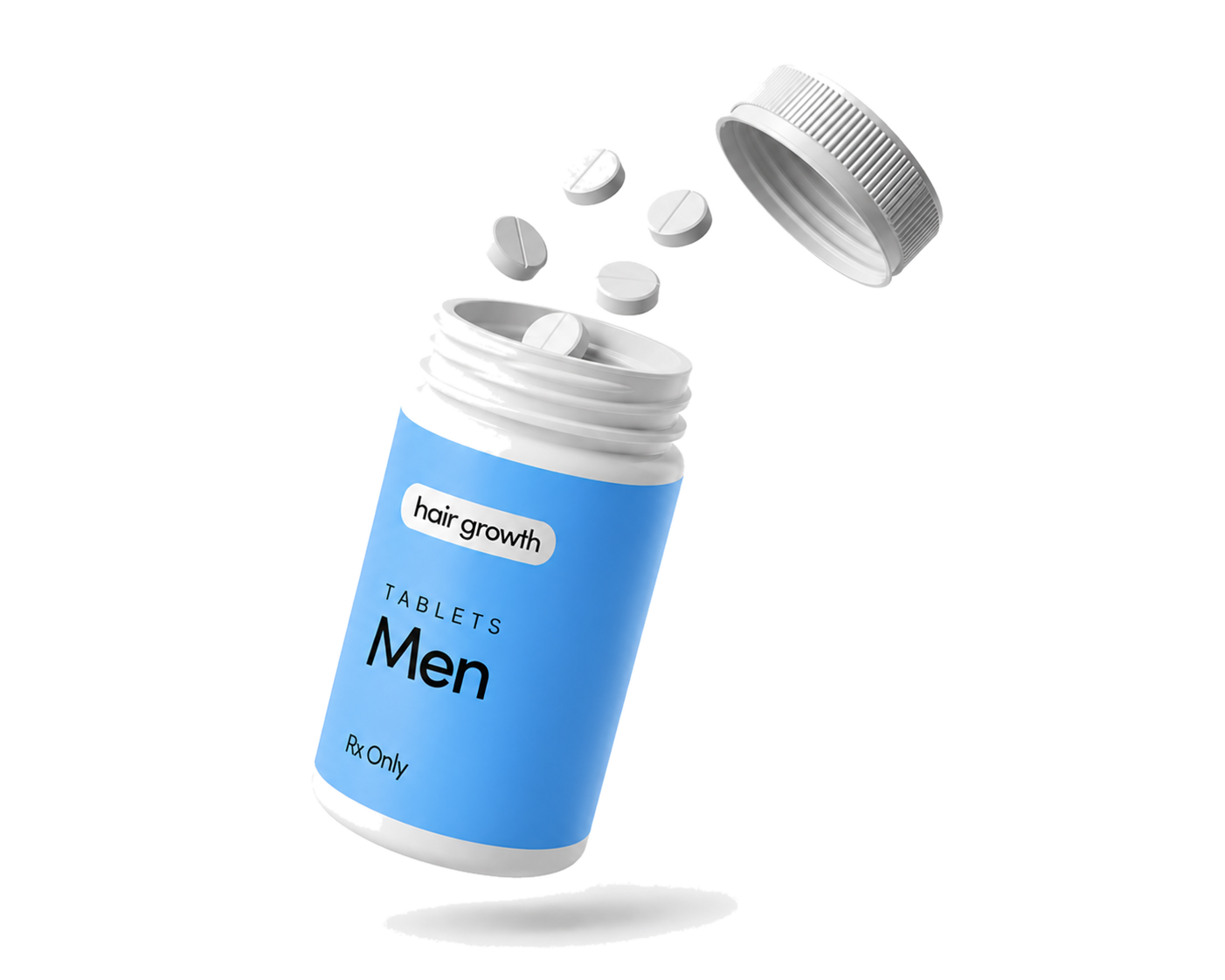
Men's Complete Hair Growth PillRx
Minoxidil, Finasteride, Biotin

Men's Advanced Hair SprayRx
Minoxidil, Finasteride, Fluocinolone, Tretinoin

Women's Premium Hair SprayRx
Minoxidil, Tretinoin, Fluocinolone, Biotin, Melatonin
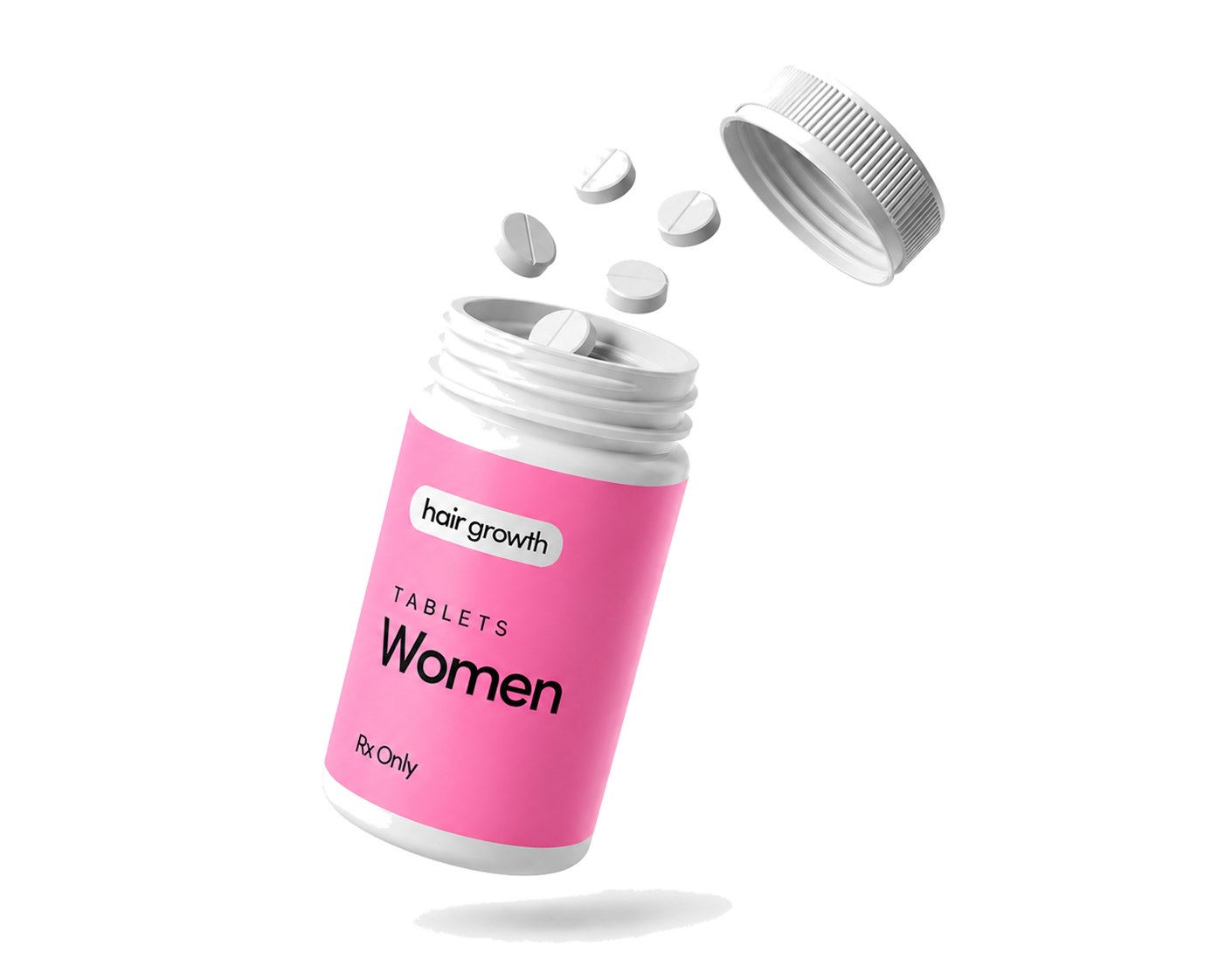
Women's Complete Hair Growth PillRx
Minoxidil, Vitamin E, Biotin
Written by Luma Meds Team
August 11, 2026

If you're taking glutathione for its benefits, wouldn't you want to know how much is actually making it into your body?
That's where the difference between glutathione injections and oral supplements becomes important.
Walk into almost any supplement store and you'll probably find glutathione capsules sitting on the shelf. They're easy. They're familiar. And they don't require a needle.
But there's one catch: anything you swallow has to make it through your digestive system first.
Glutathione injections take a different route. Instead of sending glutathione through the gastrointestinal tract, an injection delivers it into the body without relying on digestive absorption.
So if you're deciding between the two, understanding how they're delivered matters. Let's make it simple.
Imagine buying an expensive skincare product and discovering that only a fraction of it actually reaches where you intended it to go. You'd probably want to know that before buying it.
The same basic question applies to supplements. It's not only:
“How much glutathione am I taking?”
It's also: “How is my body receiving it?”
When you swallow something, it enters a long process:
An injection changes that route:
No stomach. No intestinal absorption step. That's one of the biggest practical differences between the two.
For years, scientists questioned how effectively ordinary oral glutathione could increase glutathione levels.
Why? Glutathione is a peptide made from three amino acids, and the gastrointestinal tract isn't simply a passive tunnel. Digestion involves enzymes and chemical conditions designed to break down what you eat and drink.
That created an obvious question: how much intact glutathione actually makes it through?
Early research produced mixed results. One small human study found that a single oral dose did not significantly increase plasma glutathione, contributing to the belief that oral glutathione had poor systemic availability.
But the story didn't end there. Later studies using longer supplementation periods found that oral glutathione can increase glutathione levels in certain tissues and blood compartments.
So oral glutathione isn't necessarily useless. The better conclusion is: oral glutathione can work — but its journey through the body is very different from an injection.
Did you know?
Did you know?
Not every oral glutathione product is the same. You'll see formulations marketed as reduced glutathione, liposomal glutathione, S-acetyl glutathione, and other specialized forms. Many of these products are designed around the same challenge: improving delivery and absorption.
That's actually a useful clue. If manufacturers are developing specialized formulations to improve oral delivery, it tells you just how important absorption is to the glutathione conversation.
An injection takes the digestive system out of the equation. That's the biggest difference.
With injectable glutathione, you're not depending on the medication to:
Instead, the prescribed glutathione is administered through an injectable route and absorbed into the body without gastrointestinal digestion.
For people looking for a more direct approach to glutathione therapy, that's understandably appealing.
Pro tip
Pro tip
Don't confuse “more direct” with “guaranteed to work better for every person.” Different delivery methods can produce different pharmacokinetics, but we don't have strong head-to-head clinical trials proving that injections provide superior cosmetic or wellness outcomes for everyone.
The advantage that's much clearer is this: injections don't depend on your digestive system to deliver glutathione.
Here's the patient-friendly version:
| Glutathione Injection | Oral Glutathione | |
|---|---|---|
| Requires digestion | No | Yes |
| Depends on intestinal absorption | No | Yes |
| Bypasses the GI tract | Yes | No |
| Needle required | Yes | No |
| Convenient at home | Potentially, when prescribed | Yes |
| Different formulations available | Yes | Many |
| Human research available | More limited for wellness use | Yes |
| Direct delivery approach | Yes | No |
If avoiding needles is your number-one priority, an oral supplement obviously has an advantage.
But if you're comfortable with a small injection and want an approach that doesn't rely on digestive absorption, injections become much more interesting.

It can. And this is where we don't need to exaggerate the comparison.
A six-month randomized controlled trial involving healthy adults found that daily oral glutathione supplementation increased glutathione levels in several areas of the body, including blood components.
So the idea that “your body can't absorb oral glutathione at all” is too simplistic. It can influence glutathione status.
But oral and injectable glutathione are still not the same delivery method. With an oral supplement, the gastrointestinal system remains part of the process. With an injection, it doesn't.
For someone looking for a more direct approach, that's the distinction that matters.
It's tempting to think: “If absorption is the issue, can't I just take a bigger dose?”
Not necessarily.
More milligrams on the label doesn't automatically mean proportionally more glutathione reaches circulation or tissues.
Absorption, metabolism, formulation, individual differences, and dose can all influence what ultimately happens after you swallow a supplement.
That's why comparing treatments based only on “This one has 1,000 mg!” doesn't tell you the entire story. Dose matters. Delivery matters too.
If you've researched glutathione supplements, you've probably encountered the word “liposomal.”
Liposomal products package ingredients inside tiny lipid-based structures designed to potentially improve delivery. Some small human studies have reported increases in glutathione levels after liposomal supplementation. That's promising.
But it doesn't change the basic distinction: it's still an oral product traveling through the gastrointestinal system.
Injectable glutathione takes a completely different route.
For someone who doesn't want injections, specialized oral formulations may be worth discussing. For someone comfortable with injections and interested in bypassing the digestive process, injectable therapy offers the more direct delivery approach.
Maybe — but this isn't really the best way to compare the two.
Glutathione isn't caffeine. You shouldn't expect: injection → five minutes → “Wow, I feel the antioxidants.”
A lot of what glutathione does happens at the cellular level. And if you're interested in changes in skin appearance, those are generally something you'd evaluate over time rather than immediately after a dose.
So instead of asking “Which one gives me a bigger feeling?” ask: “Which delivery method makes the most sense for what I'm trying to accomplish?”
That's a much better question.
There's something appealing about simplicity.
With an oral supplement, you have another pill or capsule to remember. And depending on the product, you may find yourself comparing:
Injectable therapy can simplify the concept: glutathione delivered through an injectable route without depending on GI absorption.
For people who are comfortable with injections, that can make glutathione therapy feel more intentional than simply adding another supplement bottle to the cabinet.
IV therapy also bypasses digestion. But it introduces another issue:
Convenience.
An IV generally means traveling to a clinic, having intravenous access placed, receiving the treatment, and then heading home.
An injectable approach can be considerably easier to incorporate into an ongoing routine when a healthcare provider determines that at-home administration is appropriate.
So you can think about the options like this:
For someone looking for a balance between direct delivery and convenience, that's where injections can really stand out.
It really comes down to what you value.
There's another distinction worth considering.
Buying glutathione online is generally a supplement decision. You choose the brand. You choose the dose. You decide how long to take it.
Prescription injectable glutathione is a different experience. A healthcare provider can evaluate whether treatment is appropriate, determine a treatment plan, and provide medical guidance.
For some people, that's an important part of the appeal. You're not simply adding another supplement. You're taking a more personalized approach to your wellness.
Physician-guided Glutathione
Luma Meds glutathione injections bypass digestive absorption — prescribed online after a health review and delivered to your door.
Start your Glutathione visitBoth oral and injectable glutathione can play a role in supporting glutathione availability. But they take very different routes to get there.
Oral glutathione is convenient and needle-free, and human research shows that certain oral formulations and dosing strategies can increase glutathione levels. But oral products still have to travel through the gastrointestinal system.
Glutathione injections bypass that process entirely.
That makes injections especially appealing for people who want:
Because when you're choosing a treatment, what's on the label matters — but how it gets into your body matters too.
This article is for educational purposes only and is not intended to provide medical advice, diagnosis, or treatment. Different glutathione formulations and routes of administration have different levels of clinical evidence, and individual responses may vary. Injectable glutathione should only be used when prescribed and directed by an appropriate healthcare provider.
Share this article