Most Popular
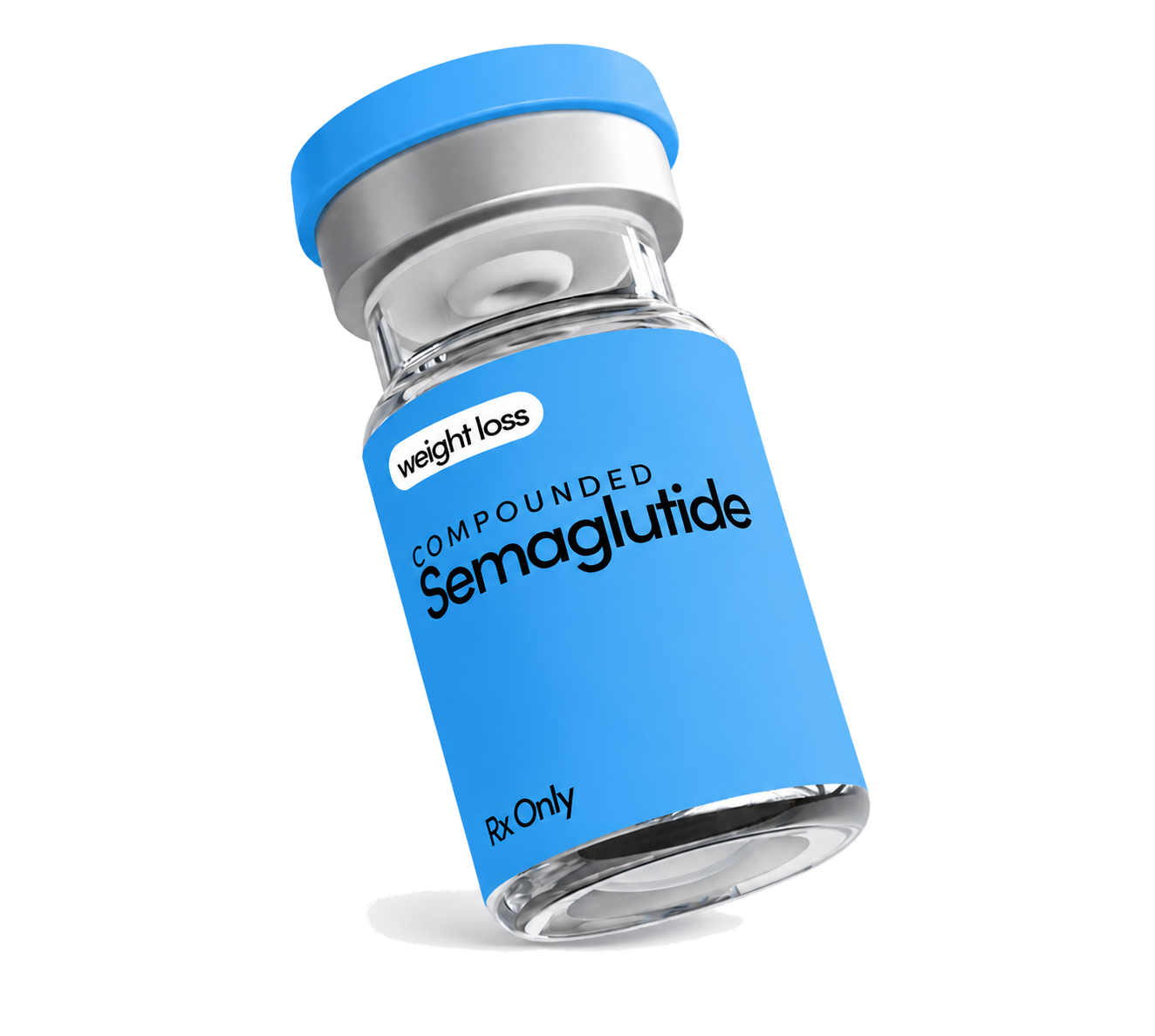
from$139.99/mo
SemaglutideRx
GLP-1 Receptor Agonist
SemaglutideRx
GLP-1 Receptor Agonist
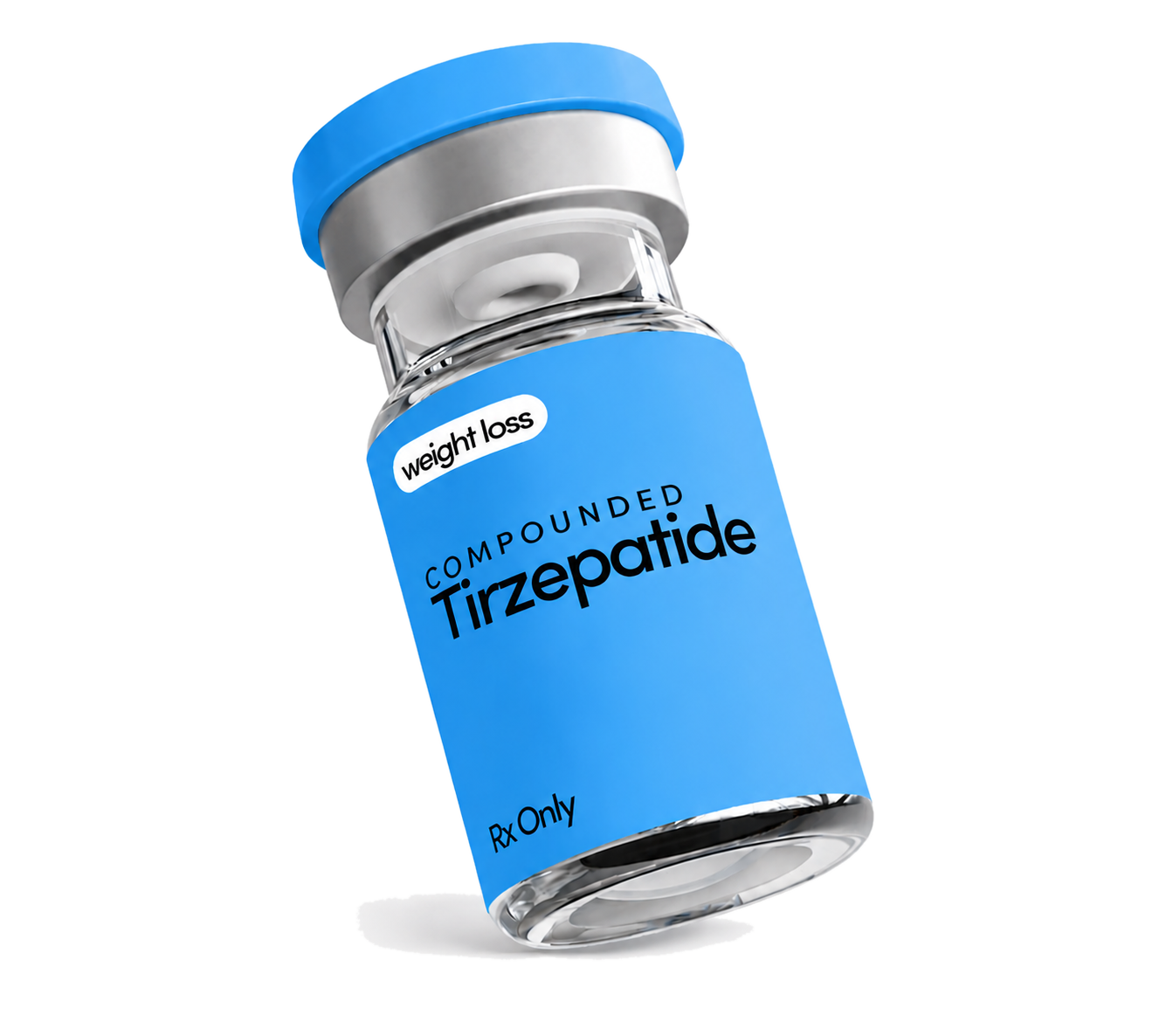
TirzepatideRx
Dual GLP-1 + GIP Receptor Agonist
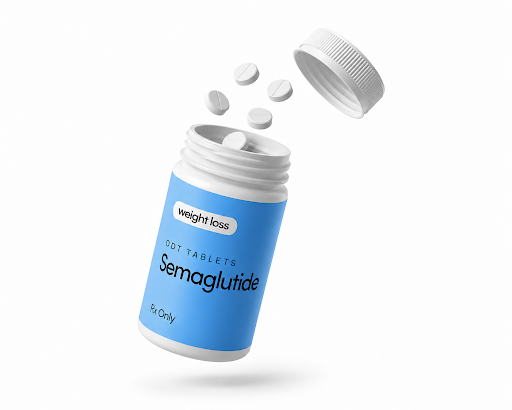
Semaglutide ODT PillsRx
GLP-1 Receptor Agonist - Oral Dissolving Tablet
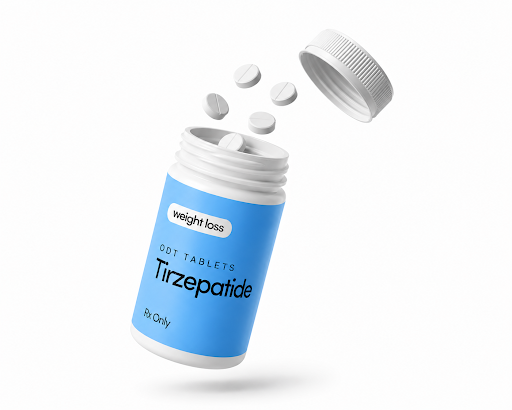
Tirzepatide ODT PillsRx
Dual GLP-1 + GIP Receptor Agonist - Oral Dissolving Tablet
NAD+Rx
Energy, Focus, Recovery
SermorelinRx
Recovery, Sleep, Vitality
GlutathioneRx
Skin, Immunity, Wellness
Lipo-B (MIC + B12)Rx
Energy, Metabolism, Wellness
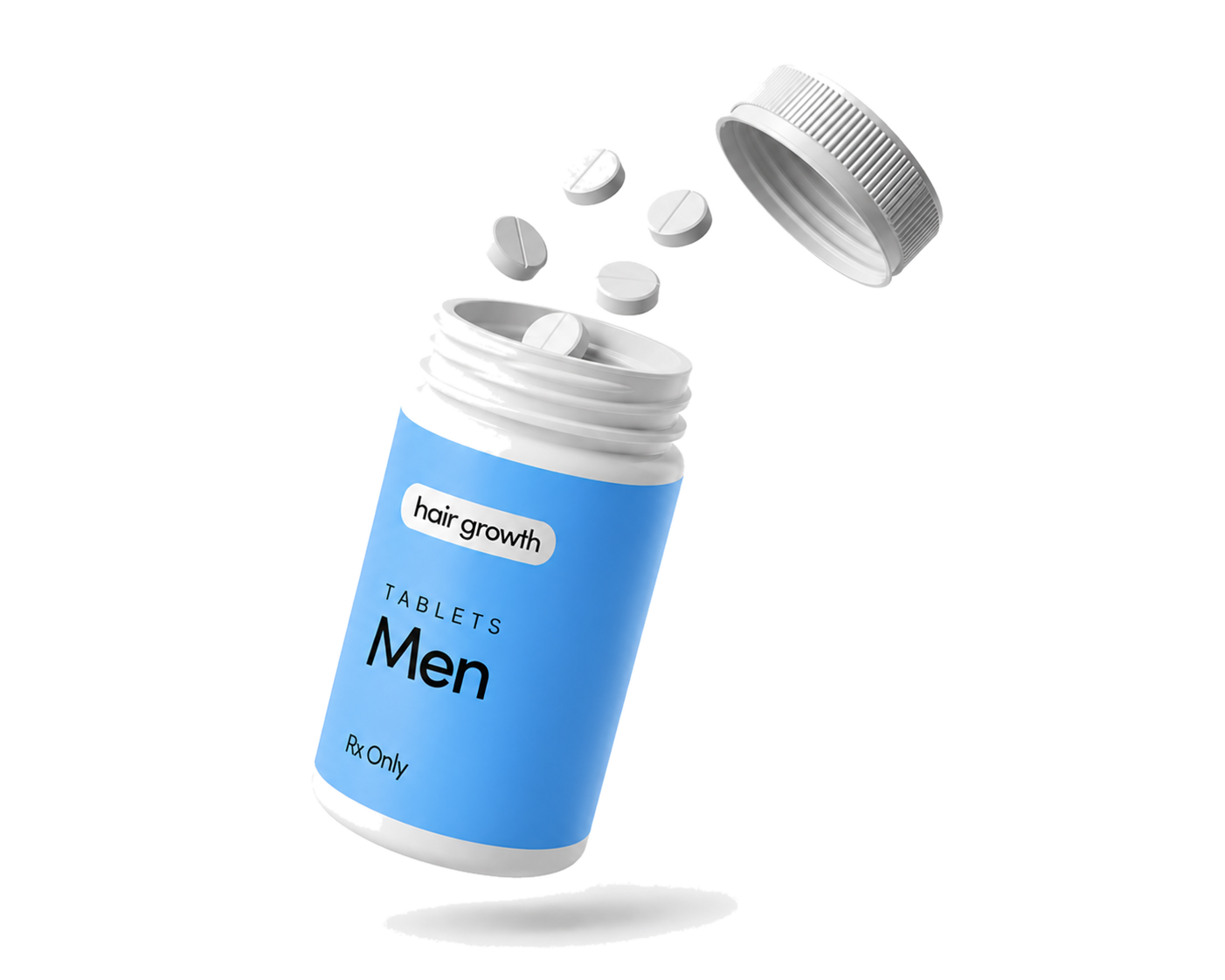
Men's Complete Hair Growth PillRx
Minoxidil, Finasteride, Biotin
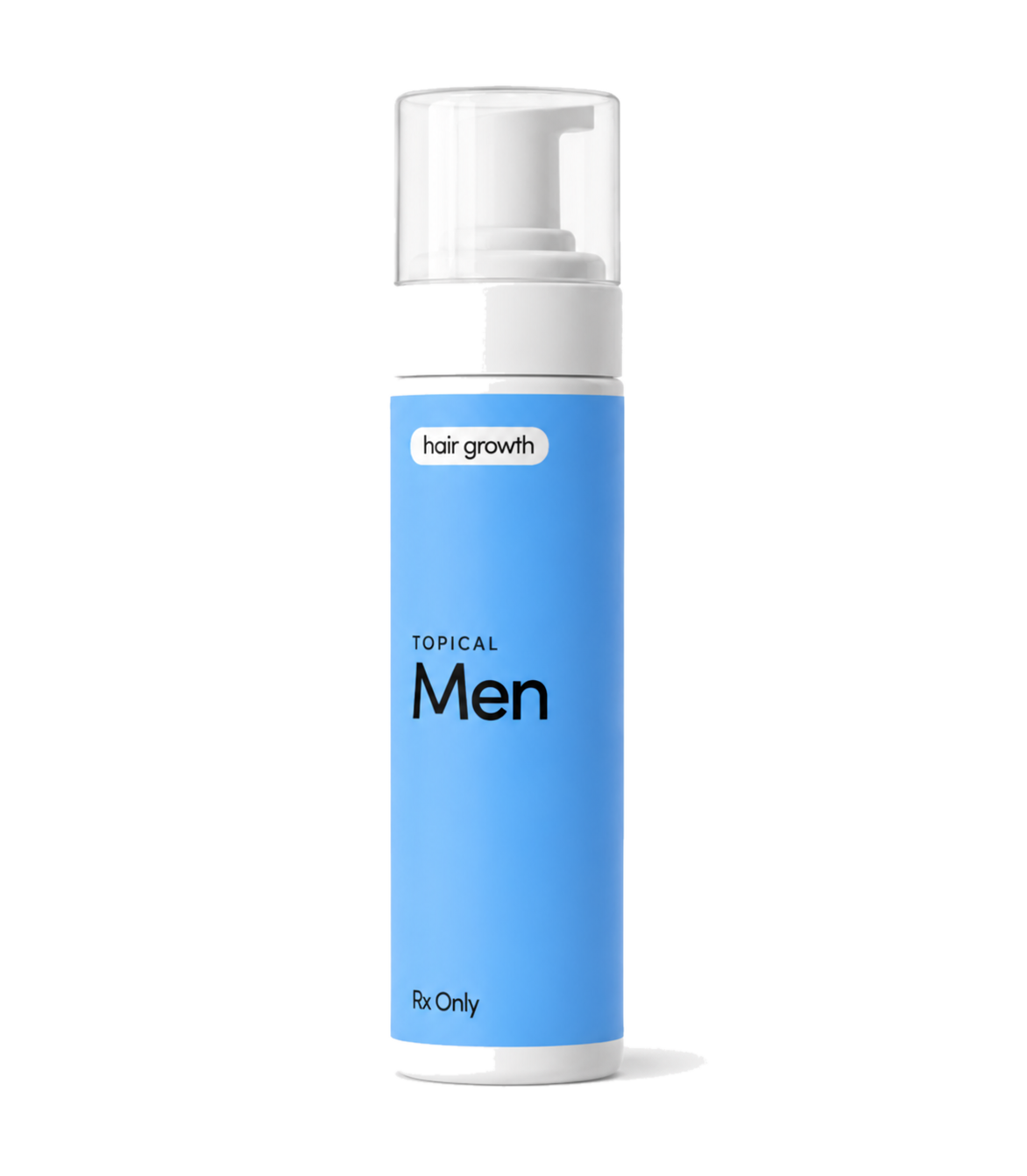
Men's Advanced Hair SprayRx
Minoxidil, Finasteride, Fluocinolone, Tretinoin
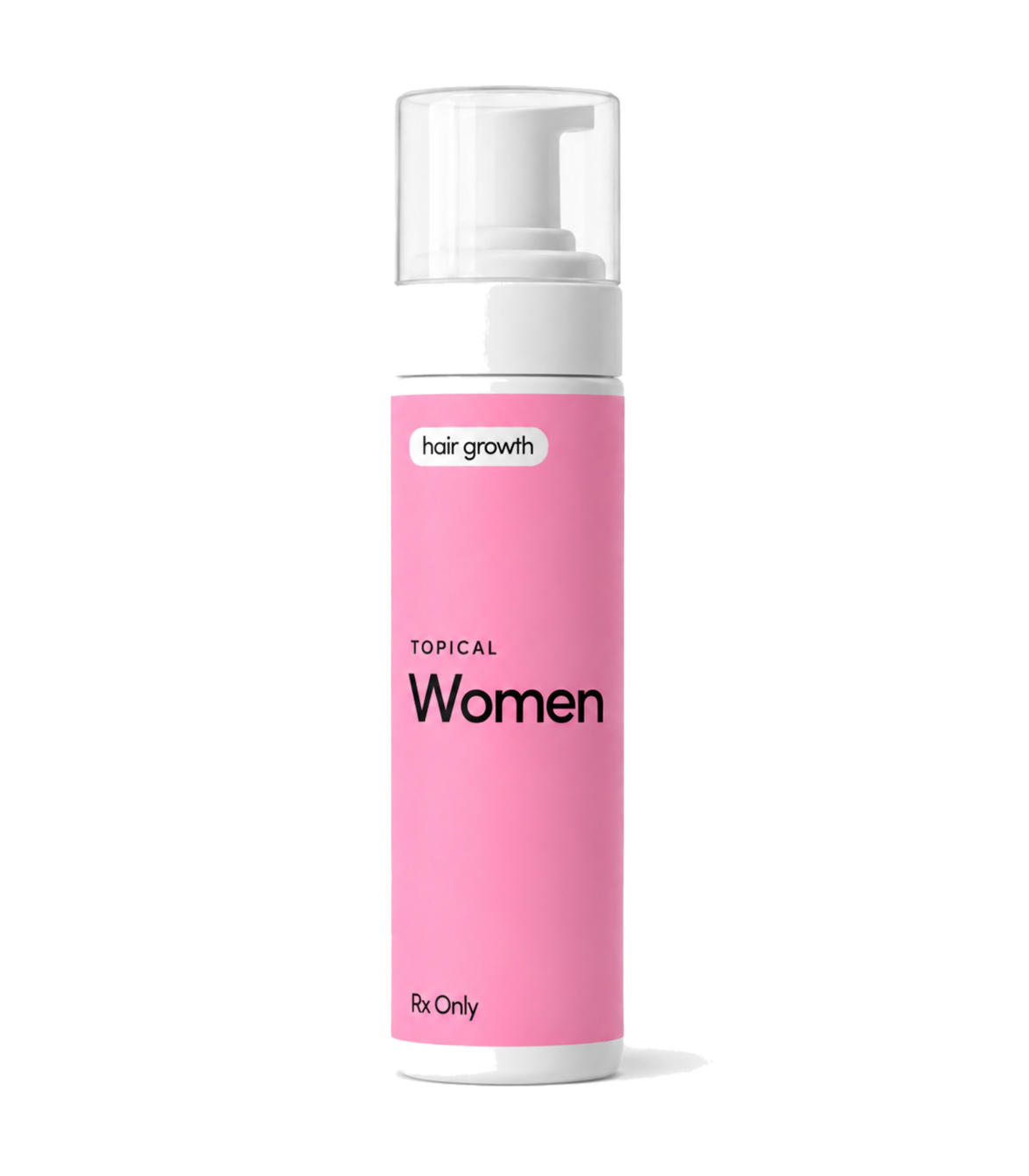
Women's Premium Hair SprayRx
Minoxidil, Tretinoin, Fluocinolone, Biotin, Melatonin
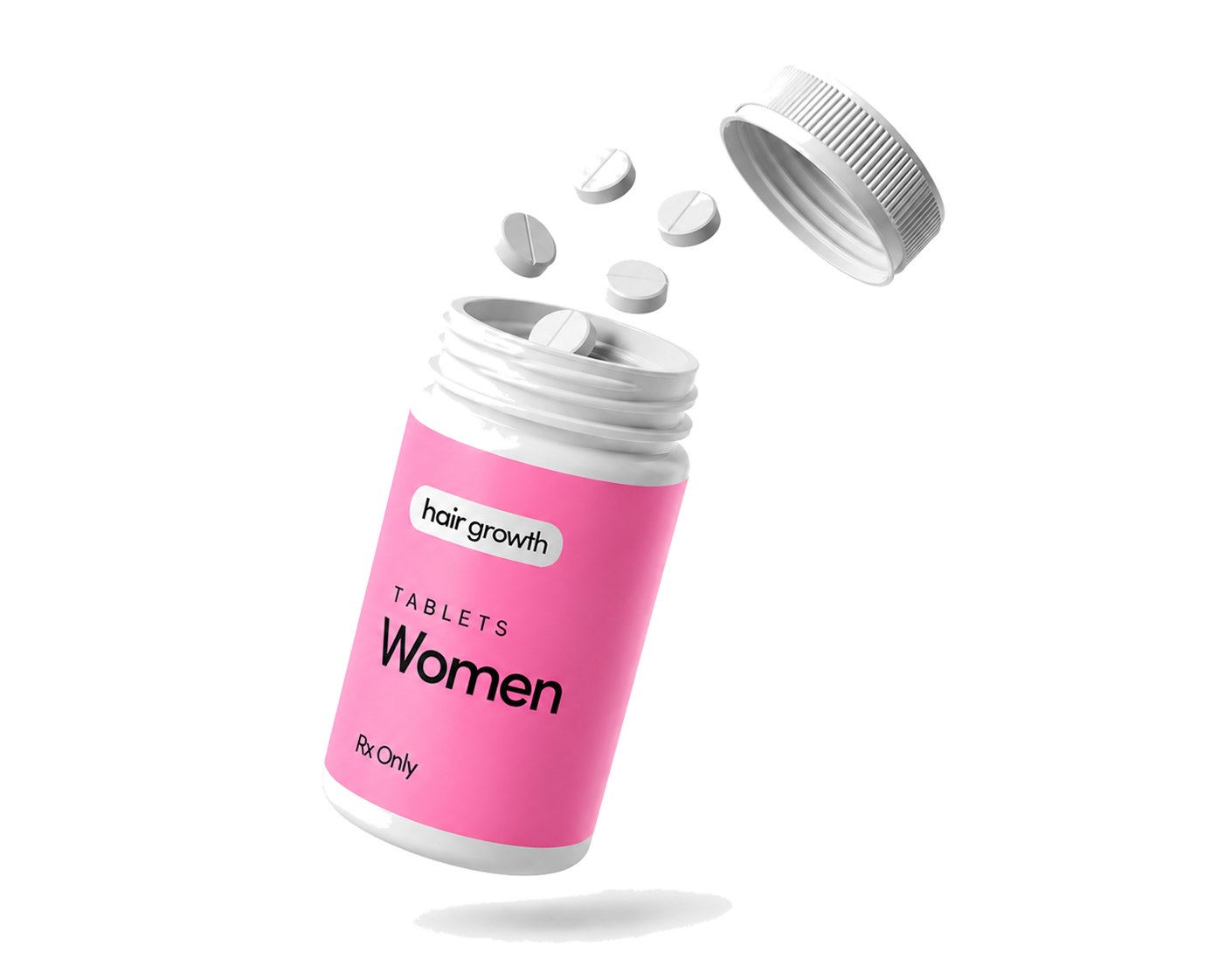
Women's Complete Hair Growth PillRx
Minoxidil, Vitamin E, Biotin
Written by Luma Meds Team
August 8, 2026


You've probably seen Sermorelin offered by longevity clinics and telehealth providers — but if it's a prescription treatment, does that mean it's FDA approved?
The short answer is: compounded Sermorelin is not FDA approved. But that answer needs some context.
“Not FDA approved” and “compounded” are terms that can sound alarming when you don't know what they mean. Compounded medications are actually an established part of healthcare, used when a licensed provider determines that a compounded medication is appropriate for a patient's specific needs. The FDA itself recognizes that compounded medications can serve an important medical need for certain patients.
So let's break down what this actually means — in normal English.
When a pharmaceutical company develops a new drug, it can submit that specific product to the FDA for approval. The FDA reviews information about things like:
If the product meets the applicable standards, the FDA can approve that particular drug for specific uses.
Compounded medications follow a different regulatory pathway. They aren't individually submitted to the FDA for premarket approval like commercially manufactured drugs.
That's why saying “this medication is compounded” and “this medication is FDA approved” are not interchangeable statements.
Did you know?
Did you know?
The FDA doesn't “approve” compounded medications. That doesn't mean compounding itself is outside the healthcare system. Federal law specifically establishes conditions under which pharmacies, physicians, and outsourcing facilities may compound medications.
Think of a traditional FDA-approved medication as something that's manufactured on a large scale. It comes in predetermined:
Compounding is different. A compounded medication is prepared by a qualified pharmacy or other permitted compounder to meet a patient's medical needs.
The FDA describes compounding generally as a process where a licensed pharmacist or physician — or, for an outsourcing facility, someone under the supervision of a licensed pharmacist — combines, mixes, or alters drug ingredients to create a medication.
For example, compounding can be useful when a patient needs a medication:
That's why compounded medicine continues to have a place in modern healthcare.
Not automatically. This is one of the biggest misunderstandings surrounding compounded medications.
Compounded describes how a medication is prepared and regulated. It does not automatically tell you whether the underlying ingredient has decades of research behind it — or virtually none.
And Sermorelin isn't something that appeared on social media last year. Sermorelin has a real medical history. Sermorelin acetate was previously marketed as Geref, and Sermorelin/GHRH has been studied in humans for decades. Researchers established long ago that Sermorelin can stimulate the pituitary gland to release growth hormone. That's the same basic biological mechanism that has created renewed interest in Sermorelin today.
So there's an important distinction: a compounded Sermorelin prescription isn't FDA-approved as a finished drug product. But that doesn't mean scientists know nothing about Sermorelin or how it interacts with the human growth-hormone pathway. Those are two very different statements.
This is where compounding starts making more sense. Healthcare isn't always one-size-fits-all. Commercially manufactured medications are designed for large populations. Compounding can allow a prescriber and pharmacy to address certain individual patient needs that aren't met by a commercially available product. That's why compounding exists in the first place.
And for someone exploring Sermorelin, the process shouldn't simply be: find peptide online → order it → inject it. Sermorelin affects the endocrine system. A better approach involves:
That's a very different experience from buying an unverified “research peptide” somewhere online.
Pro tip
Pro tip
Legitimate peptide therapy starts with a licensed healthcare provider — not an online shopping cart. If you're considering Sermorelin, make sure your treatment includes a medical evaluation, a prescription when appropriate, and dispensing through a qualified compounding pharmacy.
This distinction is particularly important. If you've searched for peptides online, you've probably encountered websites selling bottles labeled “For Research Use Only.”
That's not the same thing as receiving a medication pursuant to a prescription through a healthcare provider and pharmacy.
Prescribed compounded medication:
Online “research peptide”:
Those shouldn't be placed in the same category simply because both products contain the word “peptide.”
Pro tip
Pro tip
If you're considering peptide therapy, don't focus only on what peptide you're getting. Make sure your treatment includes: evaluation by a licensed healthcare provider, a prescription when medically appropriate, medication compounded by a qualified pharmacy, clear instructions for use, and access to healthcare support if you have questions or experience side effects. These details matter.
You'll probably encounter these terms when researching compounded medications. They refer to two different frameworks under federal law.
503A compounding. Section 503A generally covers traditional pharmacy compounding. Among other requirements, qualifying medications are generally compounded for an identified individual patient based on a valid prescription.
503B outsourcing facilities. 503B created a separate category known as outsourcing facilities. These facilities register with the FDA and are subject to additional federal requirements, including current good manufacturing practice requirements and FDA risk-based inspections.
But here's an important detail: 503B registration does not make a compounded medication “FDA approved.” FDA specifically warns against making that implication. Different regulatory structure. Not FDA drug approval.
Yes — but differently from FDA-approved commercial drug manufacturing. This is probably the easiest way to understand it:
| FDA-Approved Drug | Compounded Medication | |
|---|---|---|
| FDA premarket approval | Yes | No |
| Prescription may be required | Often | Yes for patient-specific 503A compounding |
| Pharmacy/compounder oversight | Manufacturing framework | Compounding framework |
| Can address individual patient needs | Limited to marketed formulations | Can, when legally and medically appropriate |
| FDA evaluates finished product before marketing | Yes | No |
| Subject to applicable federal/state requirements | Yes | Yes |
The mistake is assuming there are only two categories: FDA approved = legitimate, and not FDA approved = illegitimate. Healthcare regulation is more complicated than that.
Compounding has its own legal framework and oversight. At the same time, compounded drugs don't go through the FDA approval process that commercially manufactured drugs do. Both facts can be true.
Daily Wellness
Complete a quick online visit and a licensed provider will review whether Sermorelin therapy is appropriate for you — no guesswork, no research peptides.
Start your Sermorelin visitThis is one part of peptide therapy patients shouldn't overlook. Because the FDA doesn't review each compounded drug before it reaches a patient, where your prescription is filled matters.
The FDA has documented cases where poor compounding practices resulted in contamination, incorrect strength, or other serious quality problems. That doesn't mean every compounded medication is unsafe. It means you shouldn't treat all sources as interchangeable.
The cheapest vial you can find online isn't necessarily the smartest way to approach peptide therapy. Medical evaluation, pharmacy standards, appropriate prescribing, storage, dosing instructions, and access to clinical support all matter. The medication is only one part of the treatment experience.
If compounded medications aren't FDA approved, why are they used at all? Because medicine doesn't always fit neatly into mass-produced options.
The FDA itself acknowledges that compounded drugs can serve an important medical need when a patient's needs can't be met by an FDA-approved medication. That's the purpose compounding is intended to serve: individualized patient care when a compounded option is medically and legally appropriate.
And that's the lens through which Sermorelin therapy should be viewed. Not as an over-the-counter supplement. Not as a random “anti-aging peptide.” And certainly not as a research chemical someone should inject without medical supervision. It's a prescription treatment that should involve an appropriate healthcare professional and pharmacy.
Instead of asking only “is it FDA approved?”, there are several questions worth asking:
| Question | Why It Matters |
|---|---|
| Will a licensed provider review my health history? | Sermorelin affects a hormonal pathway and isn't appropriate for everyone |
| Is a prescription required? | Legitimate prescription treatment should involve appropriate medical oversight |
| Where is my medication being compounded? | Pharmacy sourcing and quality matter |
| Will I receive dosing instructions? | Peptide therapy should not be guesswork |
| Can I contact a healthcare professional with questions? | Treatment shouldn't end when your medication arrives |
| Will my treatment be individualized? | Appropriate therapy depends on the patient |
That's a much more useful way to evaluate a Sermorelin program.
At Luma Meds, we believe peptide therapy should feel personalized, understandable, and medically guided.
That means Sermorelin isn't treated like something you simply add to an online shopping cart. Your health information is reviewed by a licensed healthcare provider, and treatment is prescribed only when the provider determines it's medically appropriate.
When prescribed, the medication is fulfilled through a U.S.-based compounding pharmacy and accompanied by instructions for your treatment.
Because there's an important difference between simply having access to a peptide and having a treatment plan built around you.
So, is compounded Sermorelin FDA approved? No. Compounded medications are not FDA approved. But that doesn't tell the entire story.
Compounding is an established part of healthcare with specific federal and state regulatory frameworks. FDA recognizes that compounded medications can fulfill important patient needs, although they don't undergo the same premarket review as FDA-approved drugs.
Sermorelin itself also isn't an unknown molecule. Its effects on the growth hormone pathway have been studied for decades, including its ability to stimulate the pituitary gland to release growth hormone.
For patients interested in Sermorelin, the more useful question isn't simply “does this have an FDA-approved label?” It's also: “Am I receiving appropriate, personalized treatment through a licensed healthcare provider and a qualified pharmacy?”
Because when you're dealing with hormones and peptide therapy, how you access treatment matters just as much as what you're accessing.
Daily Wellness
A licensed provider reviews your online visit and, if appropriate, prescribes Sermorelin compounded by licensed U.S. pharmacies and shipped to your door.
Start your Sermorelin visitThis article is for educational purposes only and is not intended to provide medical advice, diagnosis, or treatment. Compounded medications are not FDA approved, and FDA does not review compounded medications for safety, effectiveness, or quality before they are marketed. Sermorelin treatment may not be appropriate for everyone. Treatment decisions should be made with a licensed healthcare provider.
Share this article