Most Popular
from$139.99/mo
SemaglutideRx
GLP-1 Receptor Agonist
SemaglutideRx
GLP-1 Receptor Agonist
TirzepatideRx
Dual GLP-1 + GIP Receptor Agonist
Semaglutide ODT PillsRx
GLP-1 Receptor Agonist - Oral Dissolving Tablet
Tirzepatide ODT PillsRx
Dual GLP-1 + GIP Receptor Agonist - Oral Dissolving Tablet
NAD+Rx
Energy, Focus, Recovery
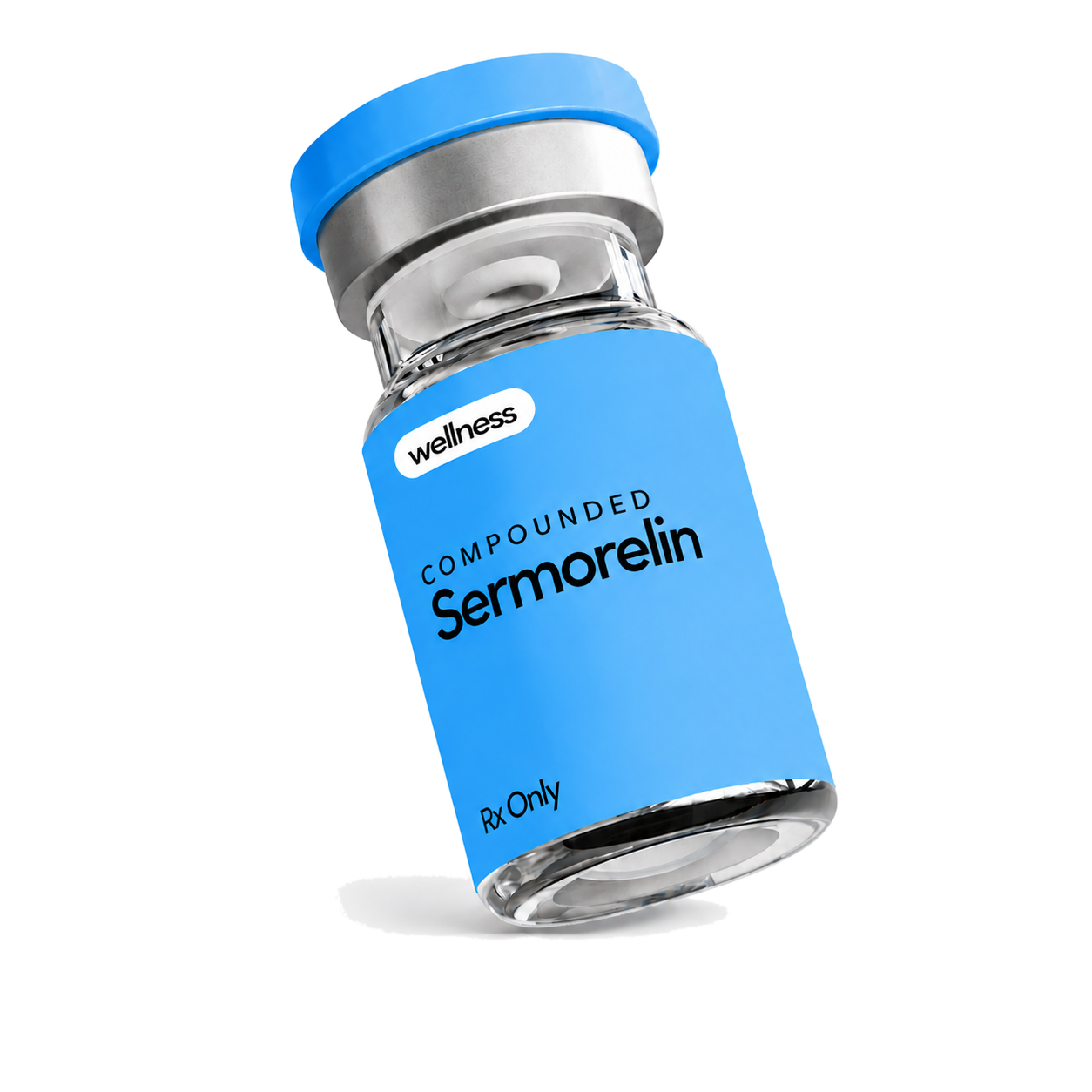
SermorelinRx
Recovery, Sleep, Vitality
GlutathioneRx
Skin, Immunity, Wellness
Lipo-B (MIC + B12)Rx
Energy, Metabolism, Wellness
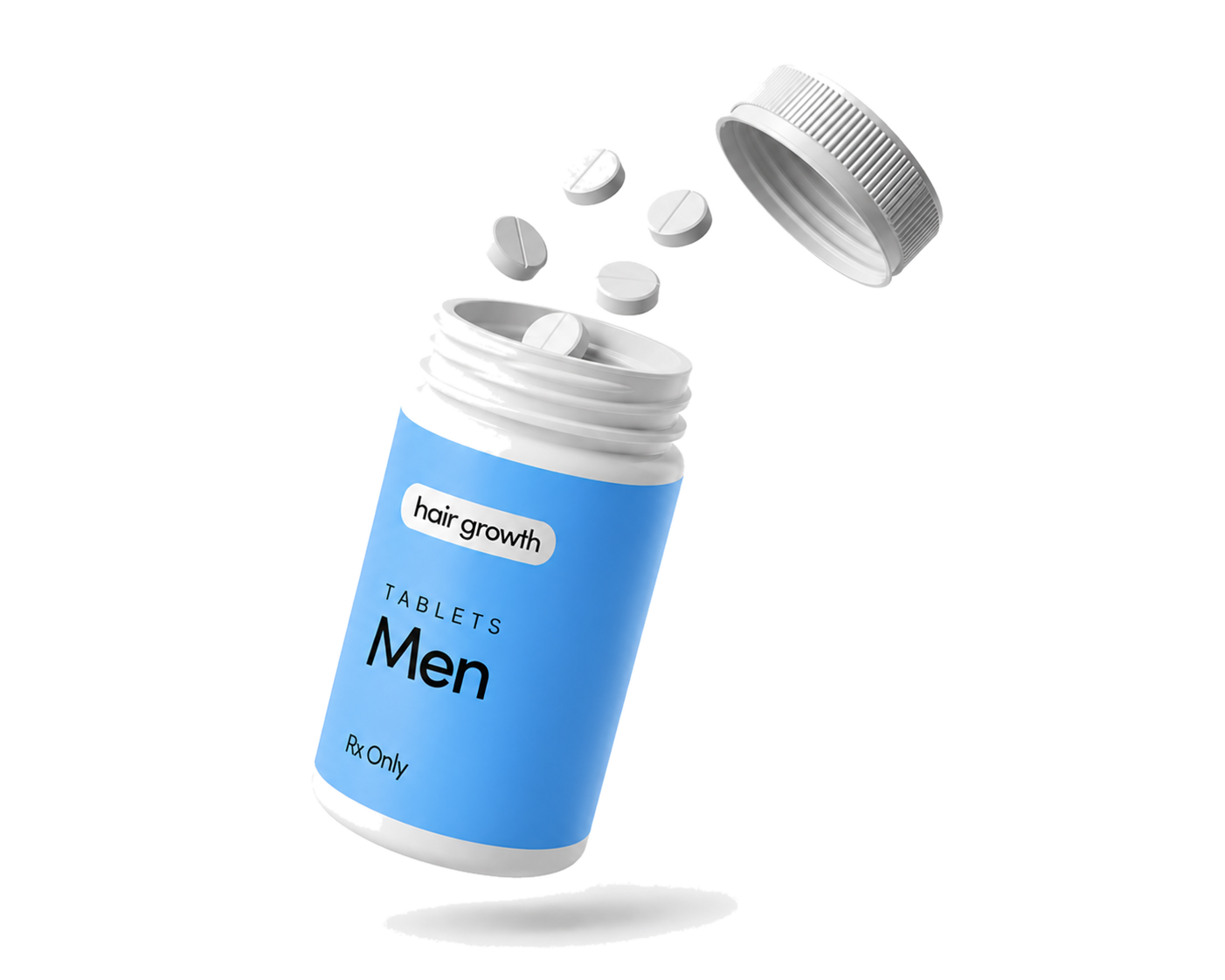
Men's Complete Hair Growth PillRx
Minoxidil, Finasteride, Biotin
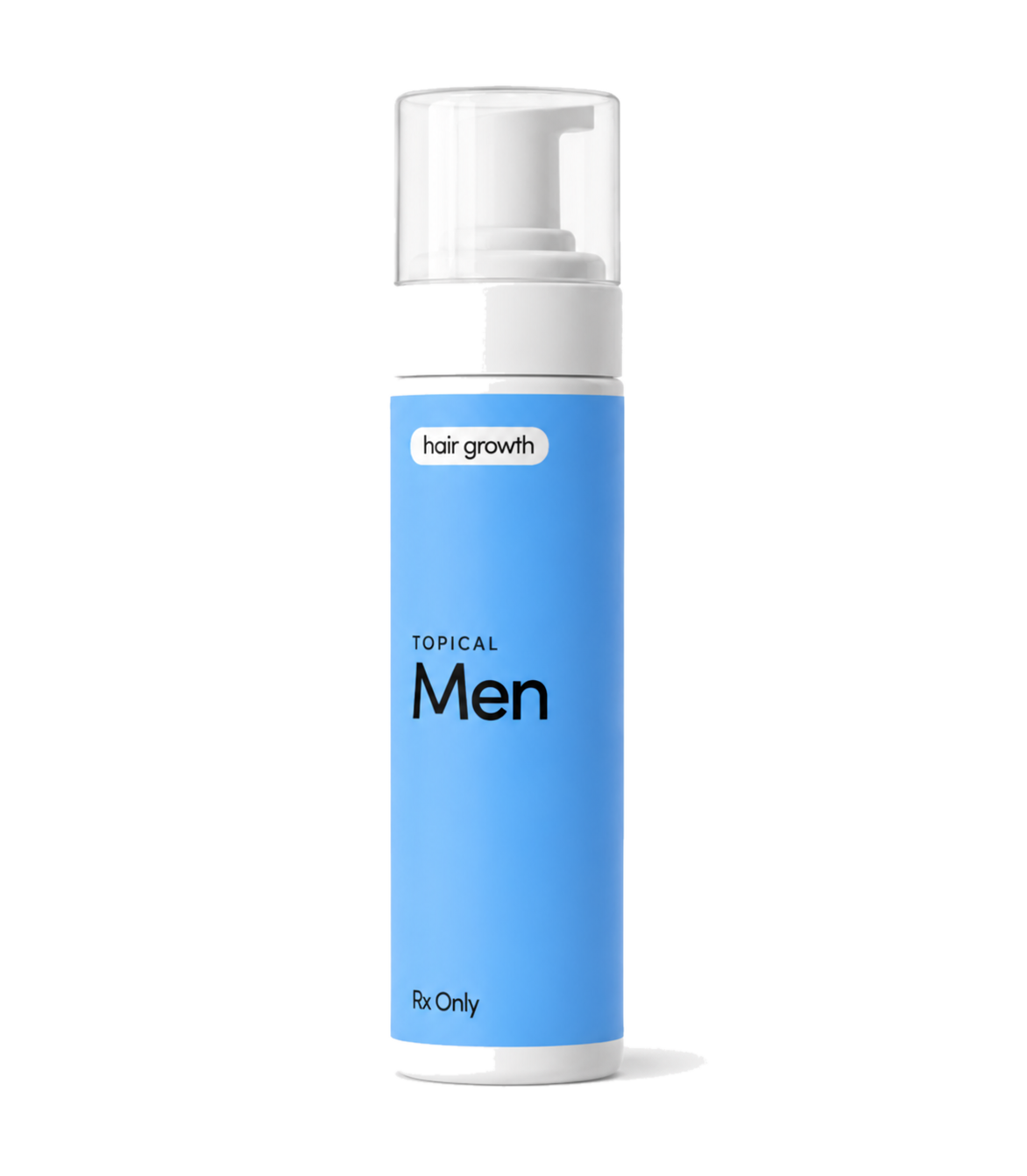
Men's Advanced Hair SprayRx
Minoxidil, Finasteride, Fluocinolone, Tretinoin
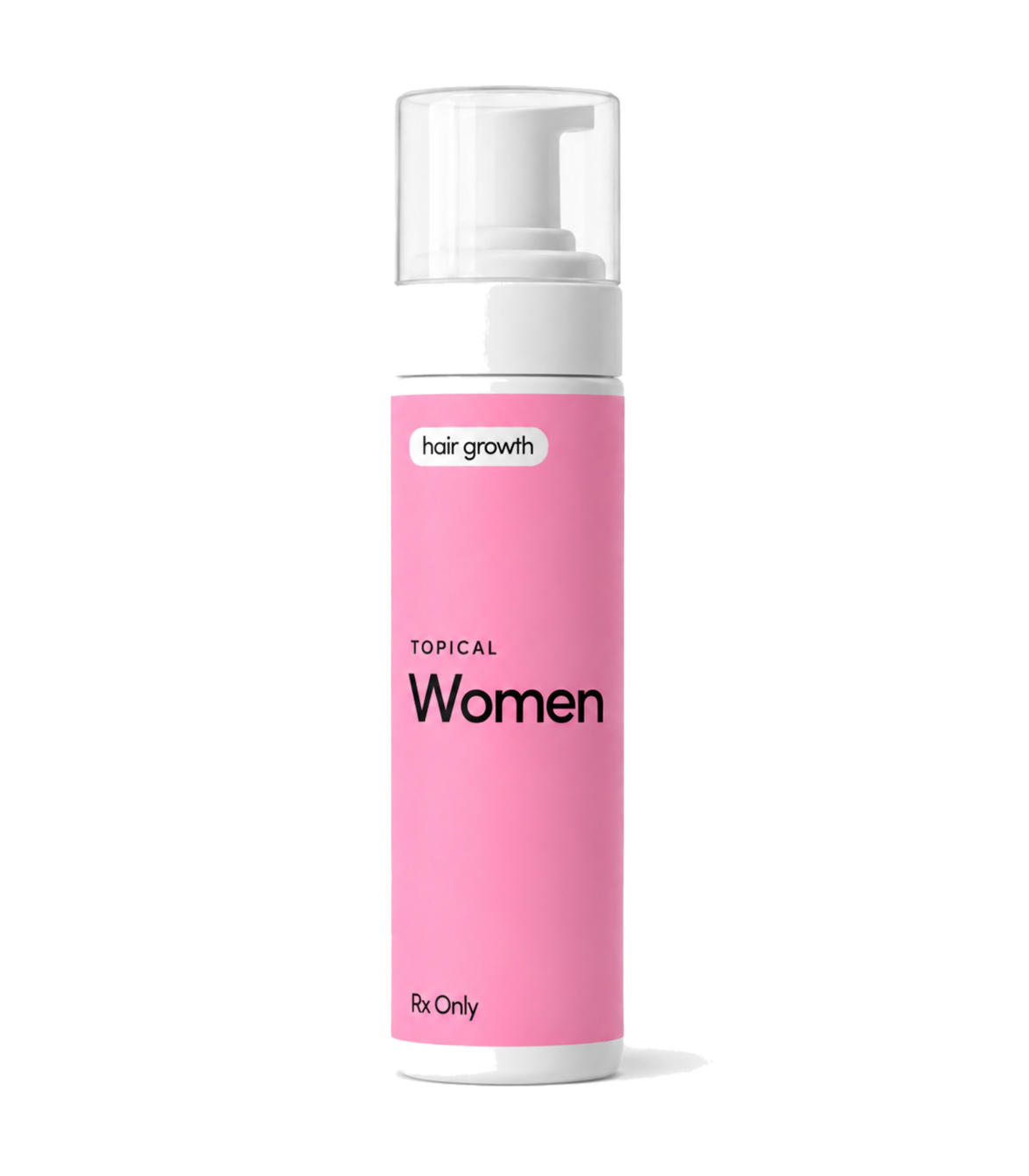
Women's Premium Hair SprayRx
Minoxidil, Tretinoin, Fluocinolone, Biotin, Melatonin
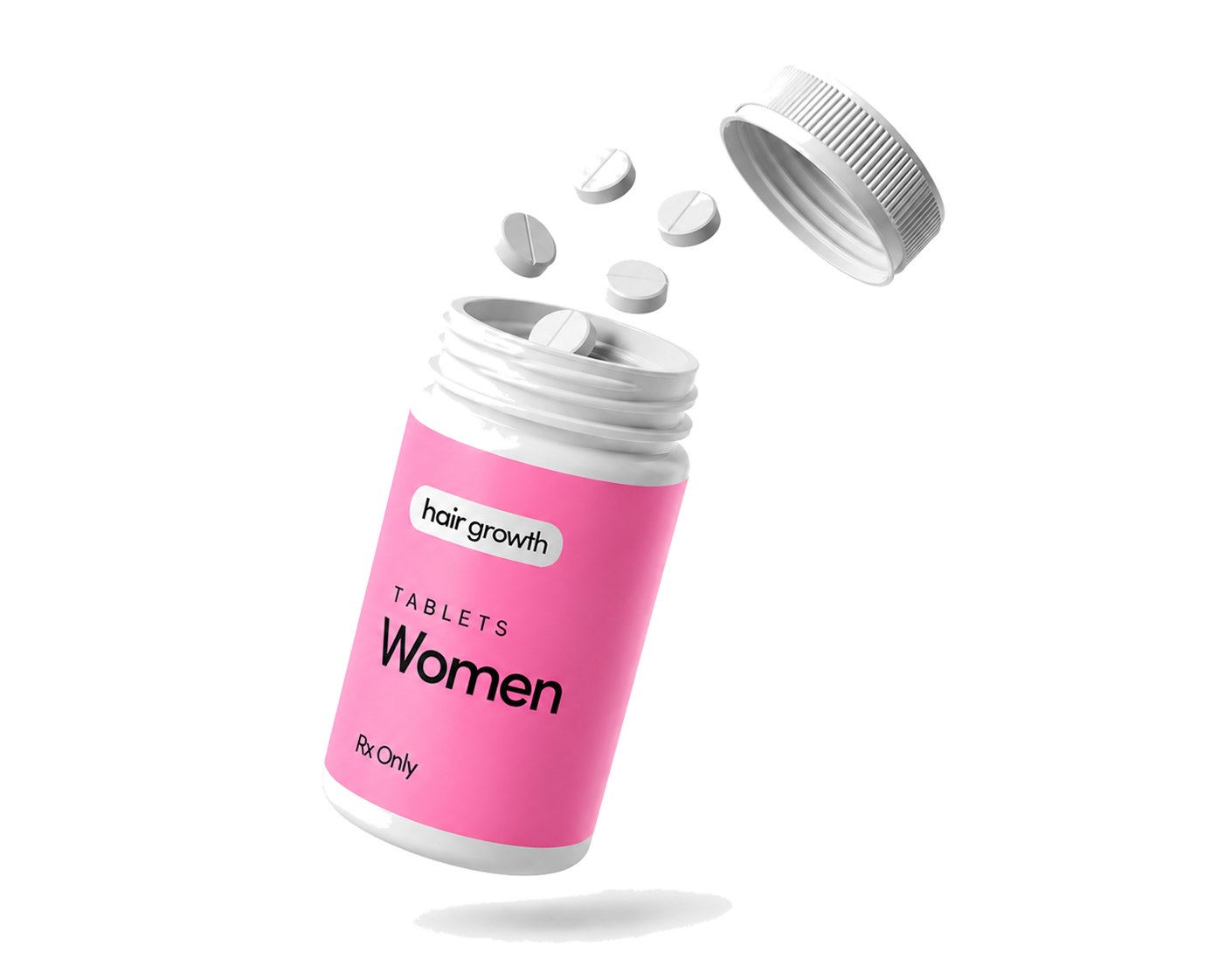
Women's Complete Hair Growth PillRx
Minoxidil, Vitamin E, Biotin
Written by Luma Meds Team
August 5, 2026

What if, instead of giving your body growth hormone, you could simply signal it to produce more of its own? That's the basic idea behind Sermorelin.
If you've been exploring longevity, recovery, or peptide therapy, you've probably seen Sermorelin mentioned alongside terms like growth hormone, peptides, GH, and IGF-1. It can sound complicated pretty quickly. Fortunately, the basic idea is actually pretty simple.
Sermorelin is a peptide that works with your body's existing growth hormone system by sending a signal to your pituitary gland to release growth hormone naturally. And that's exactly what makes it so interesting. Let's break it down without the medical-school vocabulary.
Sermorelin is a 29-amino-acid peptide modeled after part of a hormone your body already produces called growth hormone-releasing hormone — or GHRH.
Your brain naturally produces GHRH as part of the system responsible for controlling growth hormone. Think of GHRH as your body's "it's time to release growth hormone" signal. Sermorelin mimics that signal. It communicates with receptors in your pituitary gland, which can then stimulate the release of your body's own growth hormone.
Did you know?
Did you know?
Sermorelin isn't growth hormone itself. It stimulates your pituitary gland to release your body's own growth hormone — one of the most important things to understand about this peptide.
The word "growth" can make growth hormone sound like something that's only important during childhood. It's not. Adults continue producing growth hormone throughout life.
Growth hormone is involved in several normal processes related to:
Growth hormone also stimulates production of another important hormone called IGF-1, or insulin-like growth factor 1. Together, the GH/IGF-1 system plays an important role throughout adulthood. The problem? Our growth hormone patterns don't necessarily stay the same forever.
Here's where Sermorelin becomes particularly interesting. Growth hormone secretion is typically highest when we're younger and changes as we age.
And growth hormone isn't normally released at one constant level. Your body releases it in pulses, and some of the largest pulses occur during sleep — particularly during deeper stages of sleep. As we get older, the amount and pattern of growth hormone secretion can change.
That's one reason researchers and longevity clinicians have become interested in strategies designed to work with the body's existing growth hormone pathway.
Pro tip
Pro tip
Think of Sermorelin less like adding growth hormone from the outside and more like sending your body's natural growth-hormone system a message. That's what makes the approach different.
Sermorelin is commonly administered by subcutaneous injection, meaning it is injected into the fatty tissue just beneath the skin. Once administered, Sermorelin interacts with growth hormone-releasing hormone receptors in the pituitary. The pituitary then responds by releasing growth hormone.
And we have human research demonstrating this effect. Clinical studies have shown that Sermorelin can produce a measurable rise in circulating growth hormone after administration. In fact, Sermorelin was historically studied and used specifically because physicians could observe the pituitary's growth hormone response after giving it.
So the mechanism isn't simply theoretical: Sermorelin stimulates the pituitary, and the pituitary increases growth hormone release.
You've probably noticed that Sermorelin is frequently discussed alongside sleep and nighttime recovery. There's a reason for that.
Your natural growth hormone production follows a daily rhythm, and one of the body's largest growth hormone pulses typically occurs around deep sleep. That's why the relationship between sleep, growth hormone release, and recovery and tissue maintenance has received so much attention.
This is also why some Sermorelin protocols are designed around nighttime administration. The specific timing and dosing, however, should always follow the prescribing clinician's instructions.

Here's where the conversation becomes particularly relevant for adults. Growth hormone participates in normal tissue repair, metabolism, and body-composition regulation.
That's why Sermorelin has become popular among people interested in supporting:
The important distinction is that Sermorelin isn't simply handing the body these outcomes. Instead, it's designed to act upstream by stimulating the body's growth-hormone pathway. And for many people interested in proactive wellness, that's part of the appeal.
Daily Wellness
Complete a quick online visit and a licensed provider will review whether Sermorelin therapy is appropriate for you.
Start your Sermorelin visitSermorelin and growth hormone are not the same treatment, although both affect the body's growth hormone system. Growth hormone provides growth hormone directly from outside the body. Sermorelin acts as an analog of growth hormone-releasing hormone, signaling the pituitary gland to release endogenous growth hormone.
The primary distinction is the point at which each treatment acts: growth hormone supplies the hormone directly, while Sermorelin stimulates the body's own growth hormone release through the pituitary gland. That's a very different approach.
| Sermorelin | Growth hormone | |
|---|---|---|
| Is it growth hormone? | No | Yes |
| Acts on the pituitary? | Yes | No |
| Stimulates your own GH release? | Yes | No |
| Provides GH directly? | No | Yes |
| Works through the GHRH pathway? | Yes | No |
| Molecule type | Peptide | Protein hormone |
This is why calling Sermorelin simply "growth hormone" isn't accurate. Sermorelin works with the signaling system responsible for telling your body when to release growth hormone.
You've probably heard the word everywhere lately. Peptides are simply short chains of amino acids, and amino acids are the building blocks your body uses to create proteins and many signaling molecules.
Different peptides can send very different messages in the body. Think of them like biological text messages: one peptide might tell one receptor to do something, while another peptide sends a completely different signal.
Sermorelin's message is directed toward the growth hormone-releasing hormone receptor, and the message is essentially: release growth hormone. That makes Sermorelin what's commonly called a growth hormone-releasing peptide therapy, although more precisely it's a GHRH analog.
Most people interested in longevity aren't simply trying to live as long as possible. They want to function well for as long as possible. That means maintaining things like:
Growth hormone biology intersects with several of those areas. And because growth hormone secretion changes with age, the GH/IGF-1 pathway has become an area of interest within aging and longevity medicine.
Sermorelin offers a particularly interesting approach because rather than supplying growth hormone directly, it stimulates the body's existing GH-release pathway.
Yes. Sermorelin isn't a peptide someone recently discovered on social media. Researchers have studied GHRH and Sermorelin for decades.
Human research has demonstrated that Sermorelin can stimulate the anterior pituitary to release growth hormone. Researchers have also studied GHRH-based therapies and their effects on pulsatile growth hormone secretion. That's an important distinction from some of the newer peptides you may see discussed online.
Did you know?
Did you know?
Sermorelin was historically used medically in the evaluation and treatment of certain growth-hormone-related conditions. Its ability to stimulate growth hormone release is exactly what made it useful to clinicians in the first place — and today there's renewed interest in the same underlying biology within peptide and longevity medicine.
Probably not like drinking an energy drink. Sermorelin isn't a stimulant, and because it works by influencing a hormonal signaling pathway, the experience isn't necessarily an immediate "kick."
People exploring Sermorelin therapy are generally interested in longer-term wellness goals such as:
Individual responses can vary significantly, which is why Sermorelin should be used under medical supervision rather than treated like an ordinary wellness supplement.
There are plenty of products promising to make you "feel younger." Sermorelin is interesting for a much simpler reason: it works with a hormone pathway your body already has.
Sermorelin is designed to stimulate that existing pathway. For people interested in peptide therapy, recovery, and healthy aging, that's what makes Sermorelin such an interesting option to explore.
Sermorelin sounds complicated. The concept isn't. It signals your pituitary gland to release more of your body's own growth hormone — and growth hormone continues to play important roles in the adult body, including metabolism, tissue maintenance, bone health, and body composition.
That's why Sermorelin has attracted growing interest among people looking for a more proactive approach to recovery, physical wellness, and healthy aging. It isn't growth hormone itself. It isn't a stimulant. And it isn't designed to replace healthy sleep, exercise, nutrition, or medical care.
Instead, Sermorelin works with a signaling pathway your body has been using your entire life. Sometimes supporting your body isn't about replacing what it makes — it's about helping signal the systems already there.
Daily Wellness
A licensed provider reviews your online visit and, if appropriate, prescribes Sermorelin compounded by licensed U.S. pharmacies and shipped to your door.
Start your Sermorelin visitThis article is for educational purposes only and is not intended to provide medical advice, diagnosis, or treatment. Individual treatment decisions should be made with a licensed healthcare provider.
Share this article