Best Value
from$99/mo
SemaglutideRx
GLP-1 Receptor Agonist
SemaglutideRx
GLP-1 Receptor Agonist
TirzepatideRx
Dual GLP-1 + GIP Receptor Agonist

Semaglutide ODT PillsRx
GLP-1 Receptor Agonist - Oral Dissolving Tablet
Tirzepatide ODT PillsRx
Dual GLP-1 + GIP Receptor Agonist - Oral Dissolving Tablet
Men's Complete Hair Growth PillRx
Minoxidil, Finasteride, Biotin
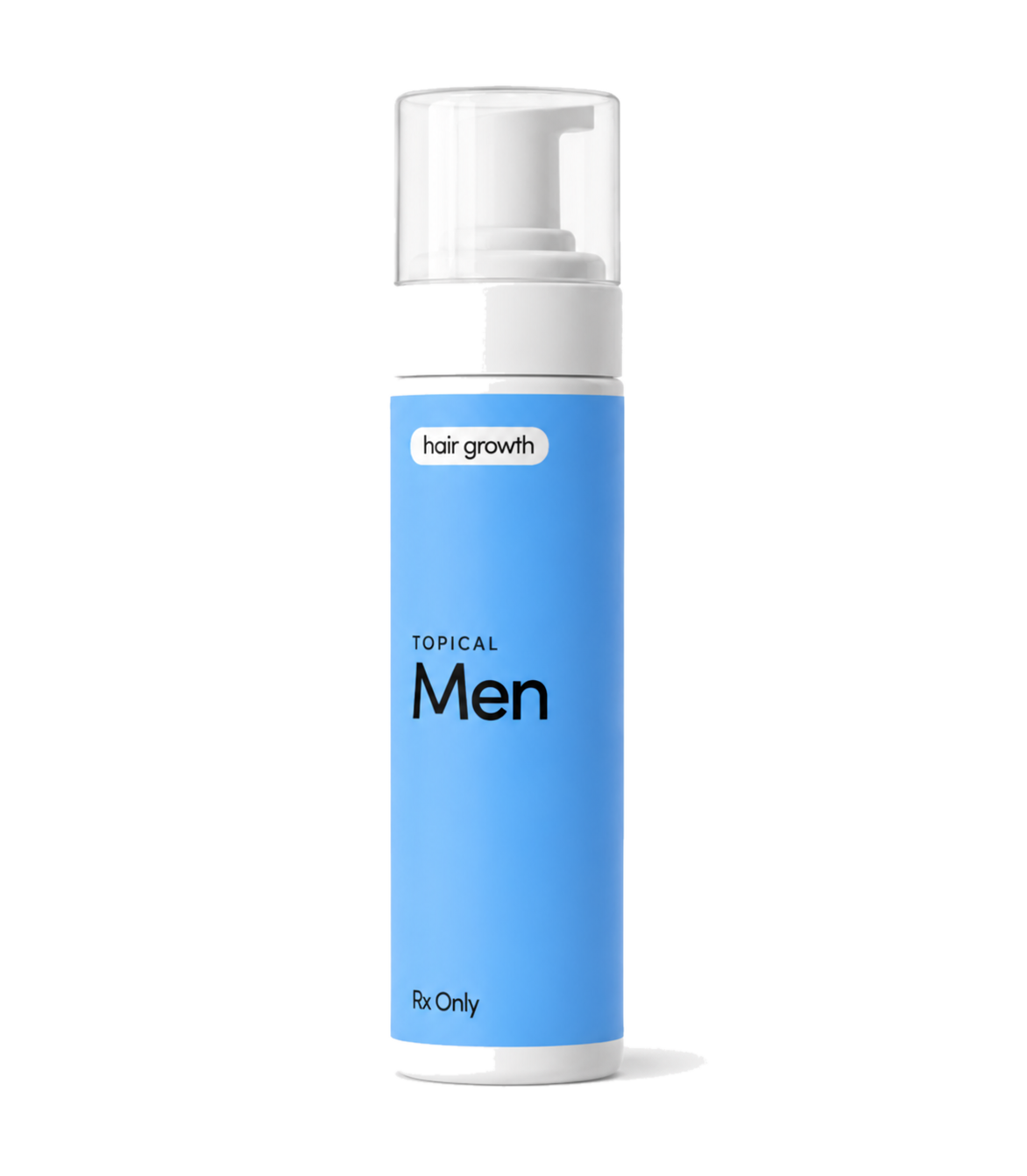
Men's Advanced Hair SprayRx
Minoxidil, Finasteride, Fluocinolone, Tretinoin
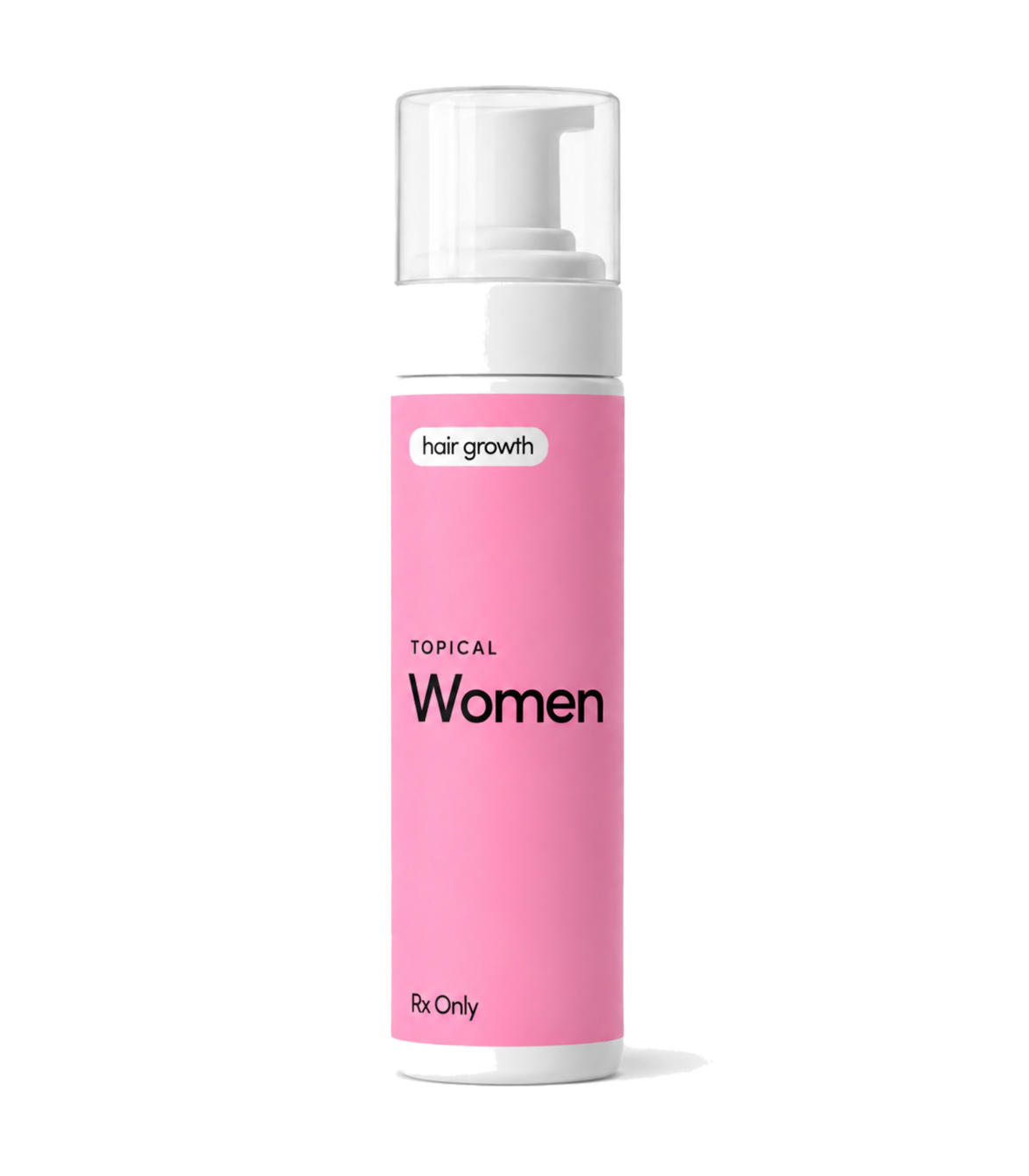
Women's Premium Hair SprayRx
Minoxidil, Tretinoin, Fluocinolone, Biotin, Melatonin
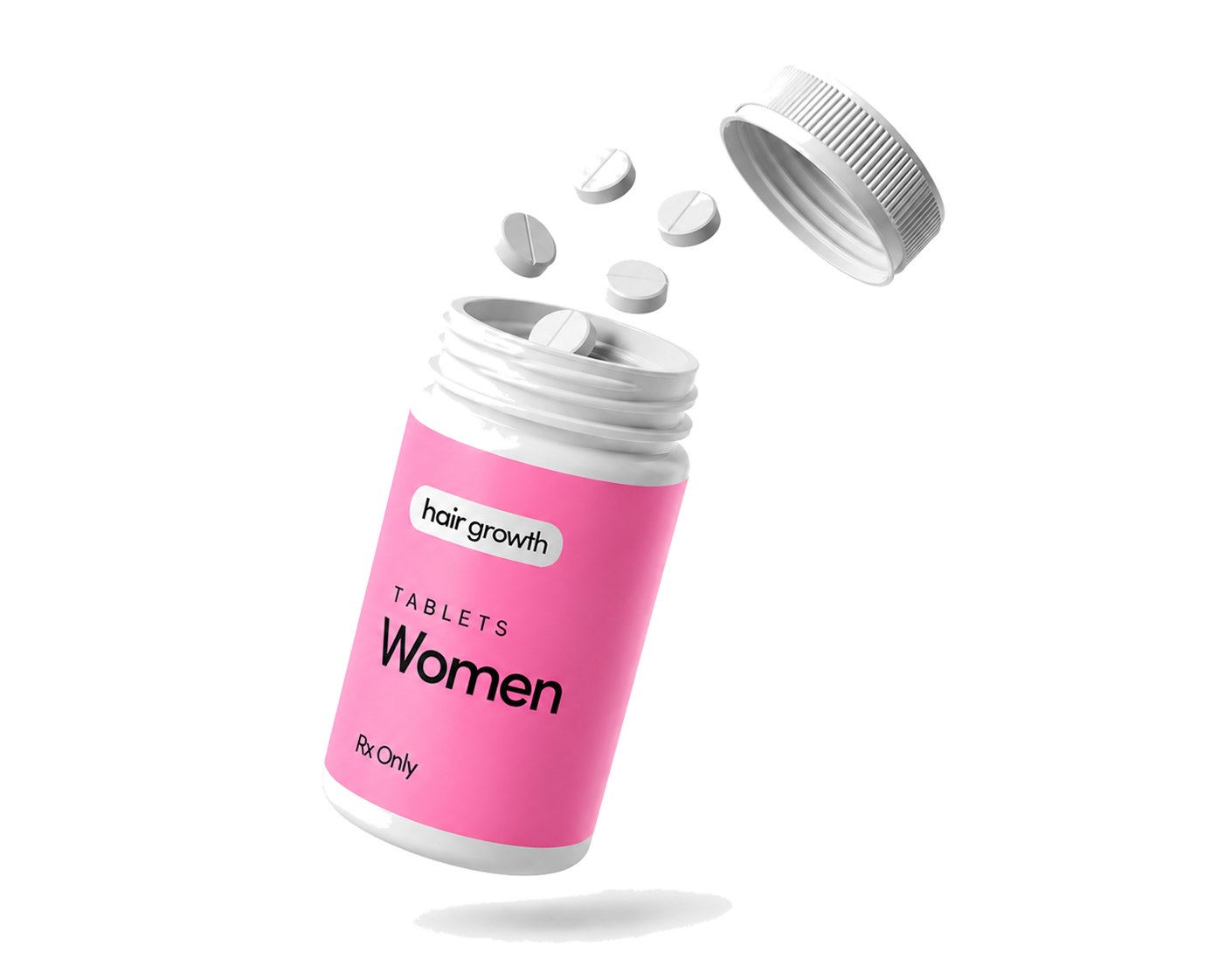
Women's Complete Hair Growth PillRx
Minoxidil, Vitamin E, Biotin
Written by Luma Meds Team
August 7, 2026 · 7 min read

If you've been researching ways to support weight loss, you've probably encountered both lipotropic injections and products marketed as fat burners.
The names can make them sound similar.
They're not.
Lipotropic injections generally contain nutrients involved in normal metabolic processes, while commercial fat burners are typically supplements containing ingredients marketed to increase metabolism, thermogenesis, energy, or fat oxidation.
Understanding the difference can help you separate realistic expectations from marketing claims.
Lipotropic injections are injectable formulations containing nutrients and compounds involved in processes such as fat metabolism, methylation, and normal liver function.
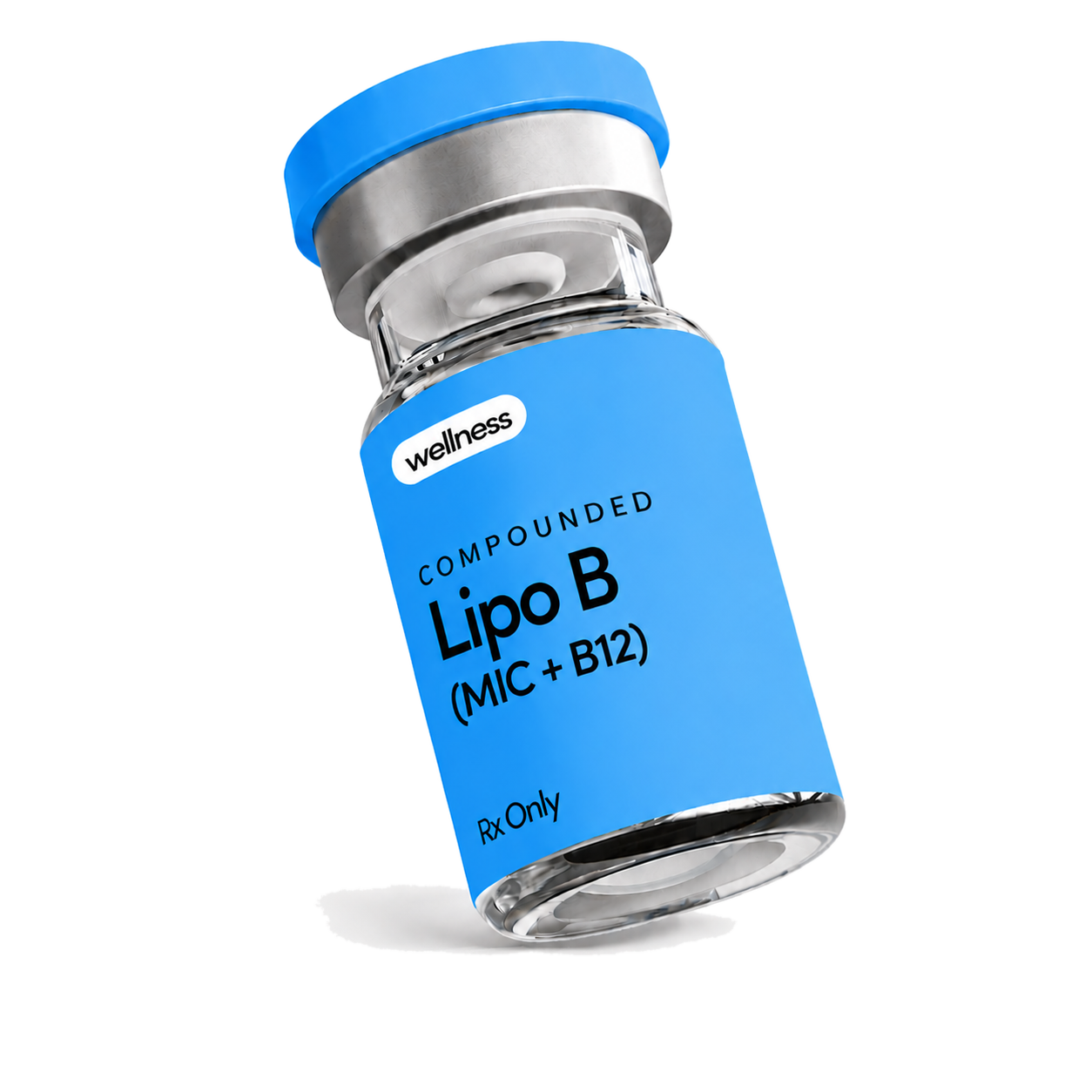
The exact ingredients vary depending on the formulation. A common combination is MIC, which stands for:
Some formulations also contain:
These ingredients have different functions within the body. For example, choline plays an important role in lipid transport and normal liver function, while methionine is an essential amino acid involved in numerous metabolic processes.
The term lipotropic generally refers to compounds involved in the body's handling and metabolism of fats, particularly in the liver.
This is where the name can be misleading.
Lipotropic nutrients participate in normal metabolic pathways, but that doesn't mean an injection directly melts or burns body fat.
There is limited clinical evidence demonstrating that lipotropic injections by themselves produce significant weight loss in otherwise well-nourished people.
Support, not a shortcut
Support, not a shortcut
Lipotropic injections are better thought of as a supportive treatment rather than a stand-alone fat-loss medication.
Diet, physical activity, overall calorie intake, sleep, medical conditions, and other treatments still play much larger roles in determining weight change.
“Fat burner” isn't one specific medication or ingredient. It's a marketing term commonly used for dietary supplements claiming to increase:
Products can contain very different combinations of ingredients. Common examples include caffeine, green tea extracts, bitter orange, carnitine, and various herbal compounds.
Because formulations differ so much, two products labeled “fat burners” may have almost nothing in common.
| Lipotropic Injections | Fat Burners | |
|---|---|---|
| Typical form | Injection | Capsule, powder, drink or tablet |
| Common ingredients | Methionine, inositol, choline, B vitamins | Caffeine, herbal extracts, stimulants and other supplements |
| Primary concept | Support normal metabolic/nutritional processes | Increase thermogenesis, metabolism or fat oxidation |
| Stimulant-based? | Typically no | Often |
| Formulation | Depends on prescription/product | Varies widely by supplement |
| Evidence for major weight loss alone | Limited | Limited |
| Medical supervision | May be provided as part of a clinical program | Often purchased without medical supervision |
The most important similarity is also worth recognizing:
Neither should be viewed as a replacement for an evidence-based weight-management plan.
Despite aggressive marketing, research on most weight-loss supplements is underwhelming.
A systematic review and meta-analysis examining thermogenic and “fat-burning” supplements found only limited benefits for reducing body weight and improving cardiometabolic health. The researchers found that diet and exercise — or exercise alone — generally produced better results than adding these supplements.
Another large systematic review examining hundreds of clinical trials concluded that dietary supplements and alternative therapies marketed for weight loss generally lacked strong, high-quality evidence supporting meaningful weight reduction.
In other words, seeing “fat burning” on a label doesn't mean a product has been clinically demonstrated to produce substantial fat loss.
Not necessarily.
The safety profile depends entirely on what's inside the product. Some fat burners contain substantial amounts of caffeine or other stimulant-like ingredients. Depending on the formulation and individual, these can potentially contribute to:
“Natural” also doesn't automatically mean safe.
The National Center for Complementary and Integrative Health notes that many dietary supplements marketed for weight loss haven't been adequately tested for safety, and some weight-loss supplements have even been found to contain undeclared ingredients.
This is another area where lipotropic injections and fat burners can be confused.
A stimulant-containing fat burner may make someone feel more energetic because ingredients such as caffeine stimulate the central nervous system. That doesn't necessarily mean the body is burning substantially more fat.
Some lipotropic formulations contain vitamin B12, which is involved in normal energy metabolism and red blood cell formation. But B12 isn't a stimulant.
Correcting a B12 deficiency can improve symptoms associated with deficiency, but taking additional B12 doesn't automatically create a major energy boost or accelerate fat loss in someone who already has adequate levels.
They may be offered as a supportive component of some medically supervised weight-management programs. But expectations matter.
A lipotropic injection shouldn't be presented as an alternative to nutrition, physical activity, behavioral changes, or appropriate medical treatment. Instead, the ingredients may be used to support nutritional and metabolic needs as part of a broader plan.
Whether a particular formulation makes sense depends on the patient's health, nutritional status, medications, goals, and the ingredients contained in the injection.
Daily Wellness
Complete a quick online visit and a licensed provider can determine whether lipotropic MIC + B12 support fits your goals and health history.
Start your Lipo-B visitThey're difficult to compare because they serve different purposes.
If someone expects either option to independently produce dramatic weight loss, neither is likely to meet that expectation.
Lipotropic injections provide specific nutrients involved in normal metabolic processes. Commercial fat burners generally attempt to influence metabolism, thermogenesis, appetite, or energy through supplements that may include stimulants.
For someone participating in a medical weight-management program, the more useful question isn't:
The better question
The better question
Not “Which one burns more fat?” — but “Does this product have a reasonable purpose within my overall treatment plan?”
Lipotropic injections and fat burners aren't the same thing.
Lipotropic injections commonly contain nutrients such as methionine, inositol, choline, and vitamin B12 that participate in normal metabolic processes. Fat burners are usually dietary supplements marketed to increase metabolism, thermogenesis, energy, or fat oxidation and frequently contain stimulants or botanical ingredients.
Neither should be considered a stand-alone solution for significant weight loss. Research on commercial fat-burning and weight-loss supplements has generally found limited evidence of meaningful long-term weight reduction.
Lipotropic injections are better viewed as a supportive option within a broader health or weight-management program, rather than something that directly melts body fat.
At Luma Meds, eligible patients are evaluated by a licensed healthcare provider who can determine whether available treatment options may be appropriate based on their medical history, goals, and individual needs.
This article is for educational purposes only and is not intended to provide medical advice, diagnosis, or treatment. Individual treatment decisions should be made with a licensed healthcare provider.
Share this article