Best Value
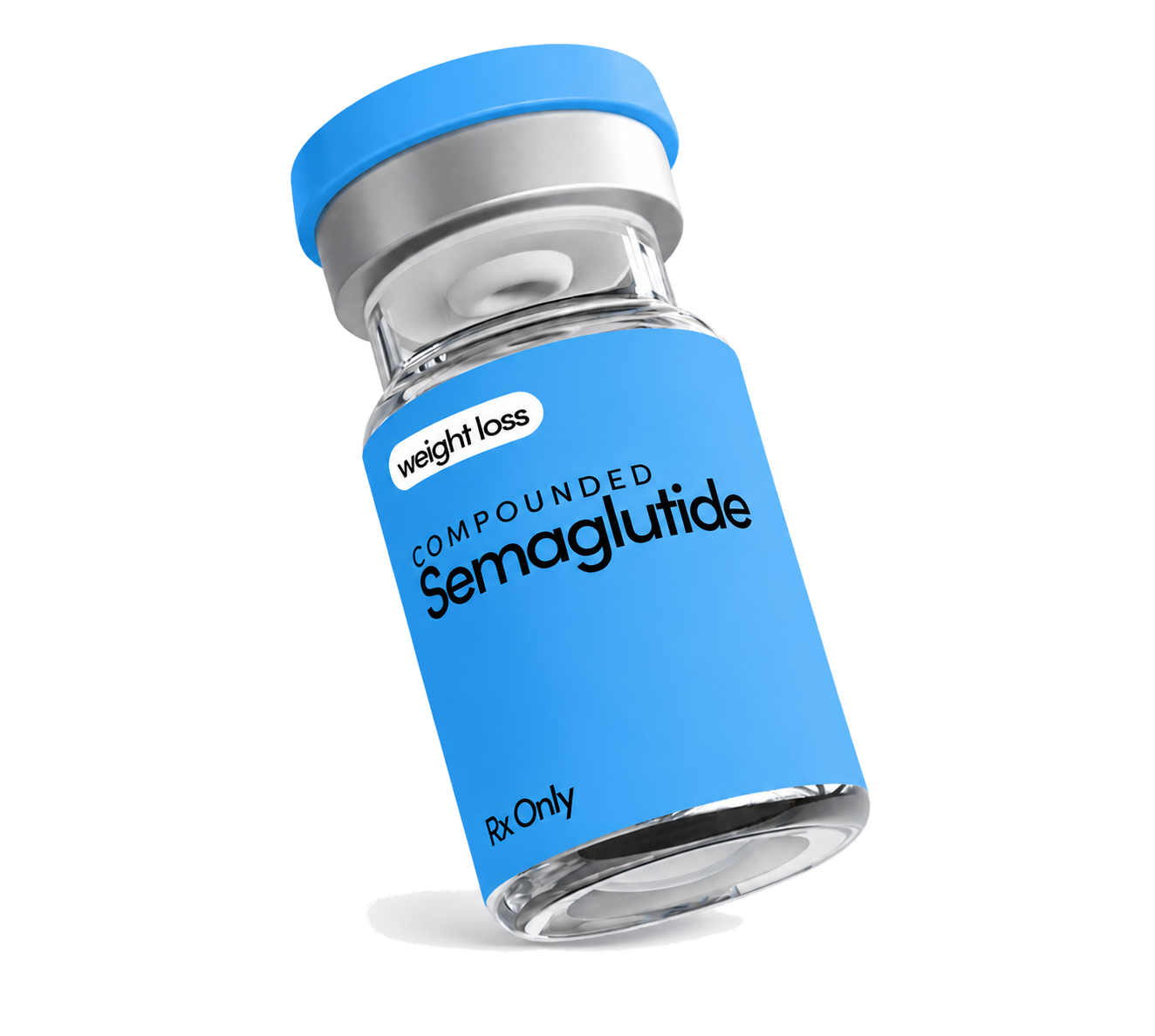
from$99/mo
SemaglutideRx
GLP-1 Receptor Agonist
SemaglutideRx
GLP-1 Receptor Agonist
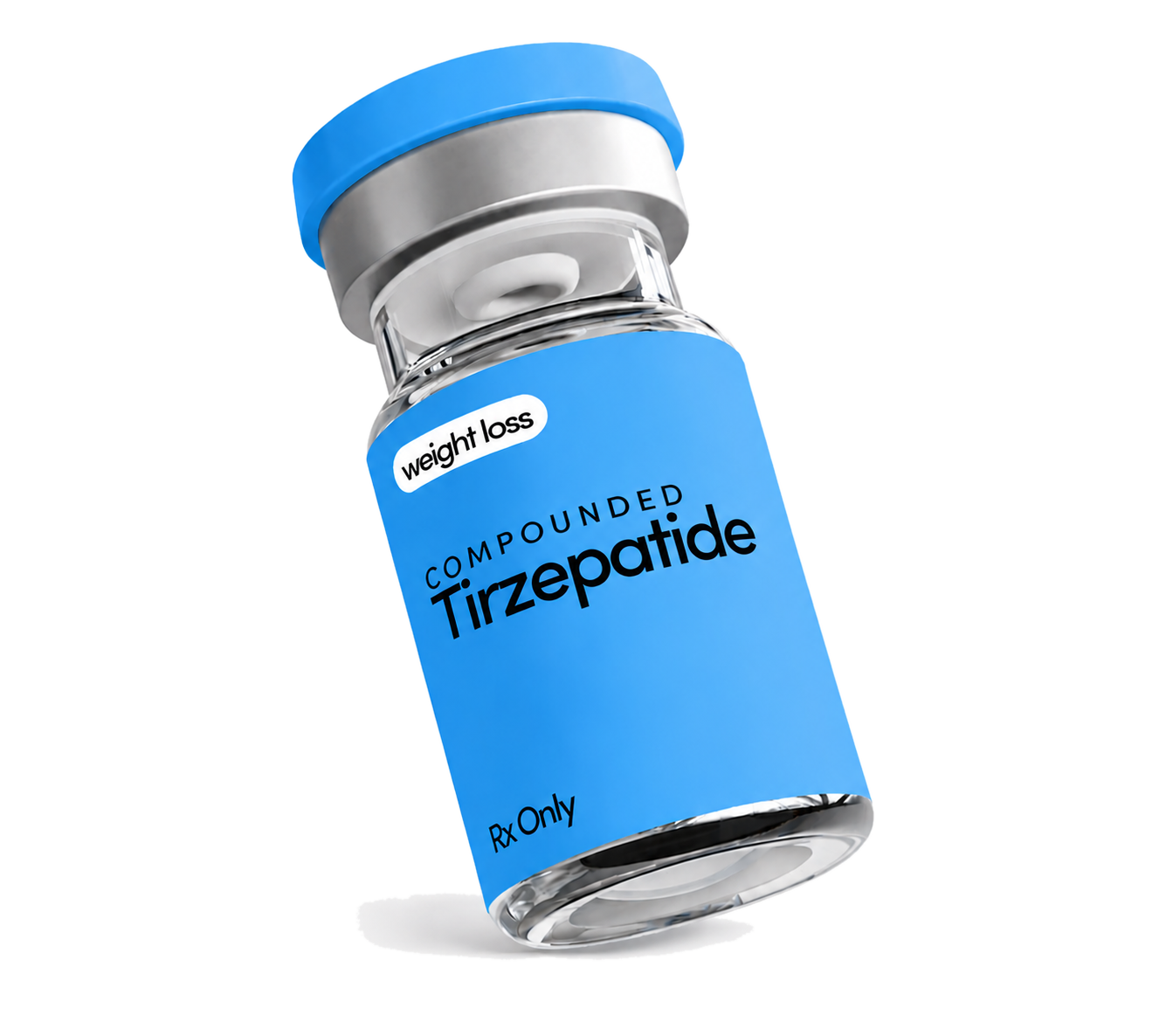
TirzepatideRx
Dual GLP-1 + GIP Receptor Agonist
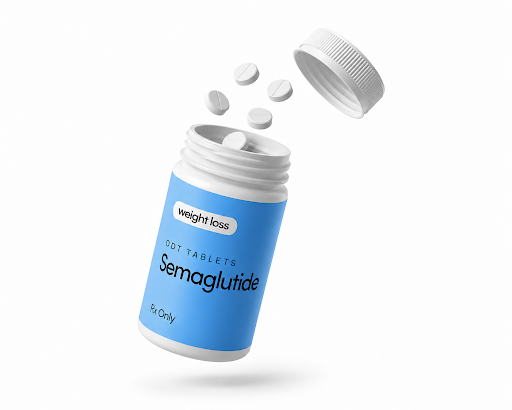
Semaglutide ODT PillsRx
GLP-1 Receptor Agonist - Oral Dissolving Tablet
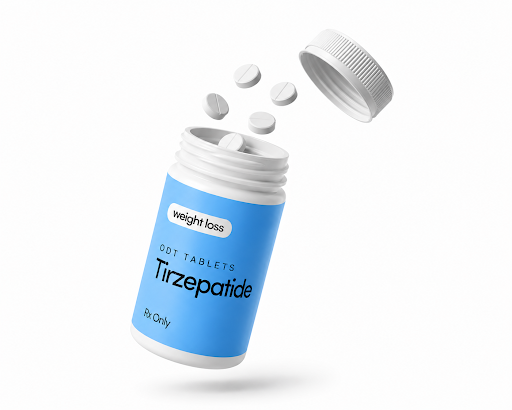
Tirzepatide ODT PillsRx
Dual GLP-1 + GIP Receptor Agonist - Oral Dissolving Tablet
Men's Complete Hair Growth PillRx
Minoxidil, Finasteride, Biotin
Men's Advanced Hair SprayRx
Minoxidil, Finasteride, Fluocinolone, Tretinoin

Women's Premium Hair SprayRx
Minoxidil, Tretinoin, Fluocinolone, Biotin, Melatonin

Women's Complete Hair Growth PillRx
Minoxidil, Vitamin E, Biotin
Written by Luma Meds Team
June 30, 2026 · 9 min read

Lipo-B, Lipo-C, MIC, B12 — if they all show up at wellness clinics, aren't they basically the same injection?
Not exactly.
While these injections are often grouped together, what's actually inside them can be very different.
A B12 shot typically focuses on one vitamin.
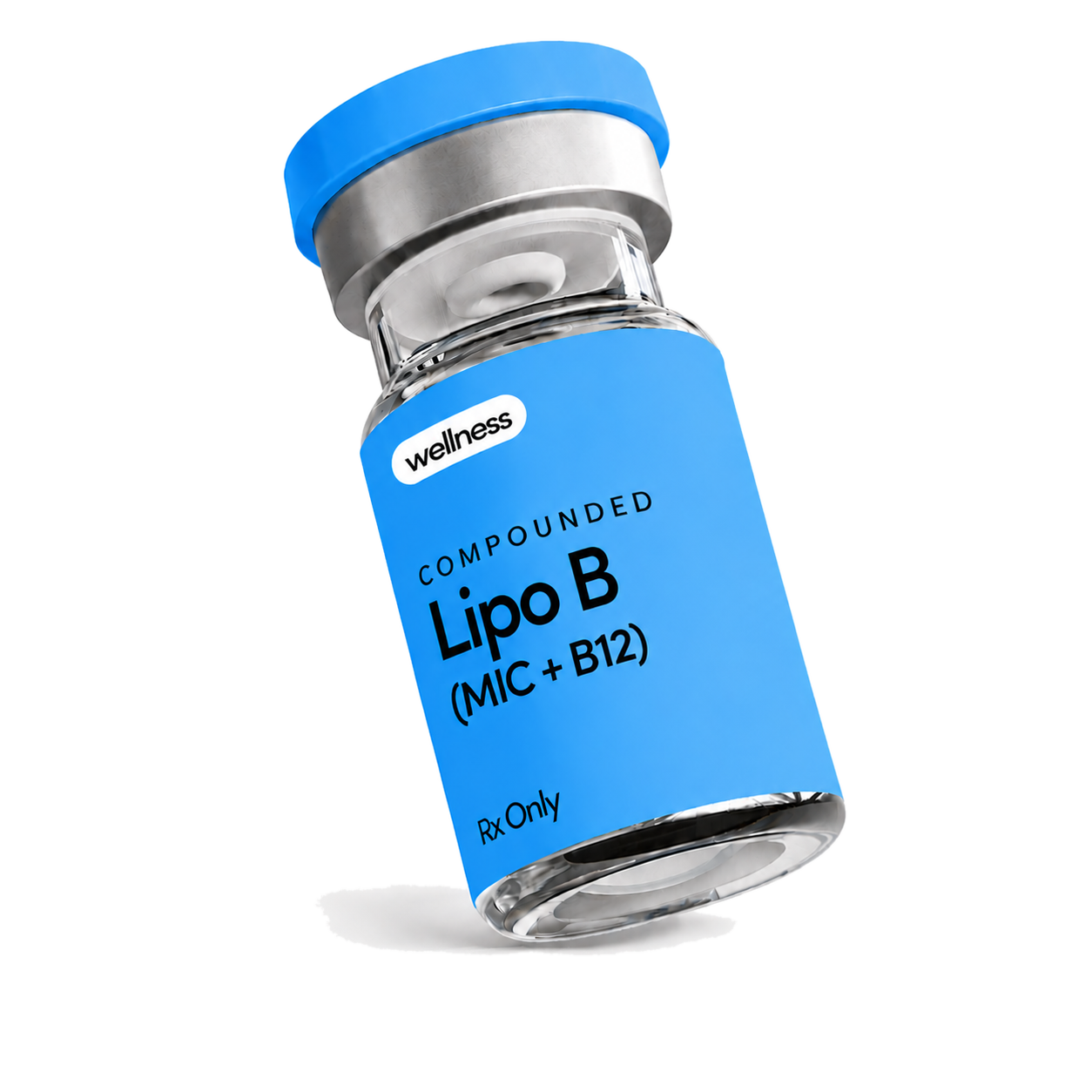
Lipo-B combines B12 with additional lipotropic ingredients involved in normal metabolism and fat transport.
And Lipo-C? That's where things get a little less straightforward, because the exact formula can vary depending on the pharmacy or clinic.
So if you're trying to figure out which option makes sense, don't let the names confuse you. Here's the simple version.
This is the easiest one.
A traditional B12 injection contains vitamin B12, an essential vitamin your body needs for several important functions.
B12 helps support:
B12 is particularly important for people who are deficient. And B12 deficiency can cause symptoms including fatigue and weakness, which helps explain why B12 injections have developed such a strong reputation around “energy.”
But there's an important distinction.
B12 isn't a stimulant. It doesn't work like caffeine.
Your body needs B12 to carry out normal metabolic processes. Correcting a deficiency can make a meaningful difference, but giving additional B12 to someone who already has adequate levels doesn't guarantee an extra burst of energy.
So think of a B12 shot as focused B12 support. Simple. But that's different from a lipotropic injection.
This is where we move from one vitamin to a broader combination.
Lipo-B formulas commonly combine B vitamins with lipotropic nutrients — compounds involved in processes such as lipid transport and normal metabolism.
A common formula is MIC + B12:
Instead of focusing exclusively on B12, you're combining several ingredients with different metabolic roles.
So the concept becomes: B12 + broader metabolic support. That's one of the biggest reasons someone might choose Lipo-B over a standard B12 injection.
Imagine you're choosing between one ingredient and a combination formula.
A B12 injection gives you exactly what the name suggests: B12. Lipo-B takes that foundation and adds additional ingredients involved in other metabolic pathways.
| B12 shot | Lipo-B / MIC + B12 | |
|---|---|---|
| Contains B12 | Yes | Typically yes |
| Methionine | No | Commonly |
| Inositol | No | Commonly |
| Choline | No | Commonly |
| Supports normal energy metabolism | Yes | Yes |
| Includes lipotropic nutrients | No | Yes |
| Focus | B12 replacement/support | Broader metabolic support |
If someone specifically needs B12, a B12 injection may be all that's necessary. If someone is interested in a broader wellness or metabolic-support formula, Lipo-B becomes more interesting.
This is where the names can get misleading.
There isn't one universal Lipo-C formula. “Lipo-C” is a name used by different clinics and compounding pharmacies for various lipotropic combinations.
Depending on the formulation, Lipo-C may contain ingredients such as:
Some formulations use the “C” to highlight carnitine, while others use different ingredient combinations entirely. That's why you shouldn't compare Lipo-B and Lipo-C based on the names alone.
Pro tip
Pro tip
If you're considering any lipotropic injection, ask to see the actual ingredient list.
“Lipo-B” and “Lipo-C” are convenient names. The ingredients and doses are what tell you what you're actually receiving.
L-carnitine is one reason some Lipo-C formulas attract attention.
Your body naturally produces carnitine from amino acids, and it plays a real role in energy metabolism. Its most recognizable job involves helping transport long-chain fatty acids into the mitochondria.
And if you've heard mitochondria called the “powerhouses of the cell,” this is where that phrase actually becomes useful. Fatty acids need to reach the mitochondria before they can be oxidized for energy. Carnitine helps with that transport process.
Did you know?
Did you know?
Carnitine doesn't simply “burn body fat.”
It helps transport fatty acids into mitochondria where they can be used in energy-producing pathways. That's an important biological role — but it's different from saying that a carnitine-containing injection automatically causes weight loss.
This depends on what you mean by energy.
If someone is deficient in B12, correcting that deficiency may help address fatigue related to the deficiency. In that situation, a traditional B12 injection may make perfect sense.
Lipo-B also contains B12 in many formulations, but combines it with additional nutrients involved in metabolism. So for someone interested in a broader wellness approach rather than B12 alone, Lipo-B may be more appealing.
The key is not thinking, “Which shot gives me the biggest energy rush?” These aren't stimulants. A better question is: “Which nutrients and type of metabolic support am I actually looking for?”
Here's where wellness marketing can get a little carried away.
You'll sometimes see lipotropic injections advertised as “fat-burning shots.” That's oversimplified.
B12, MIC ingredients, and carnitine all have legitimate biological roles. But that doesn't mean injecting them automatically causes significant body-fat loss.
High-quality clinical evidence does not establish Lipo-B or Lipo-C injections as stand-alone weight-loss treatments comparable to medications specifically studied for obesity.
That's why they're better positioned as support alongside your weight-management routine — rather than the thing causing the weight loss.
Think about someone who's already working toward a healthier weight. They may be:
A Lipo-B injection doesn't replace any of that. Instead, it can provide nutrients involved in normal metabolism, lipid transport, and energy metabolism as part of the broader routine.
That's what makes the treatment attractive as an add-on rather than a replacement. Your weight-management plan is the strategy. Lipo-B is support for the strategy.
Daily Wellness
Complete a short online visit and a licensed provider will review whether a lipotropic injection is appropriate for you. Shipped straight to your door.
Start your Lipo-B visitThis distinction is especially important if you're already exploring medical weight management.
Lipo-B and medications such as semaglutide or tirzepatide work in completely different ways.
So Lipo-B isn't “a natural version of a GLP-1.” And it isn't “GLP-1 without the appetite suppression.” They're fundamentally different treatments.
For an appropriate patient, however, a healthcare provider may discuss supportive wellness treatments alongside a larger weight-management plan.
If we're simply comparing the number and variety of metabolic nutrients, Lipo-B is generally more comprehensive than B12 alone.
That's because a B12 shot has a very focused purpose, while Lipo-B typically combines B12 with additional lipotropic ingredients. Lipo-C may also be comprehensive — but because formulations vary, you'd need to compare the actual ingredients.
| Injection | Scope | What that means |
|---|---|---|
| B12 shot | Focused | B12 support |
| Lipo-B | Broader | B12 + lipotropic/metabolic nutrients |
| Lipo-C | Variable | Potentially broader formula, depending on what's actually included |
There's no universal winner. But there's definitely a difference.
| Lipo-B / MIC + B12 | B12 shot | Lipo-C | |
|---|---|---|---|
| B12 | Commonly | Yes | Often, formula dependent |
| Methionine | Commonly | No | May contain |
| Inositol | Commonly | No | May contain |
| Choline | Commonly | No | May contain |
| L-Carnitine | Formula dependent | No | Common in some formulas |
| Primary appeal | Broader metabolic support | Focused B12 support | Depends on formulation |
| Standardized formula? | No | More straightforward | No |
| Stand-alone weight-loss treatment? | No | No | No |
The simplest takeaway:
That's a fair question.
For many people, oral nutrition and supplementation may be completely appropriate. But injections offer a different route of administration.
B12 absorption, for example, normally requires several steps involving the stomach, intrinsic factor, and the small intestine. Certain medical conditions, medications, surgeries, and other factors can interfere with that process. An injection bypasses gastrointestinal absorption.
With combination lipotropic injections, you're also receiving several ingredients in one prepared formulation rather than building your own collection of individual supplements. For someone comfortable with injections, that can make the routine straightforward.
Did you know?
Did you know?
Your body stores a surprisingly large amount of B12.
Unlike many water-soluble vitamins, the body can maintain B12 stores — primarily in the liver — that may last for years. That's why B12 deficiency can sometimes develop gradually.
It also reinforces an important point: more B12 isn't automatically better. The goal of wellness should be using treatments appropriately based on your needs.
Here's a simple way to think about it.
And if your primary goal is significant weight loss? Don't choose between these injections as though they're weight-loss medications. That's a separate conversation.
It's easy to get caught up in names: Lipo-B, Lipo-C, MIC, B12. But your body doesn't care what the marketing label says. It responds to the actual ingredients you're receiving.
That's why understanding the formula matters.
None of them replaces good nutrition, movement, sleep, a sustainable weight-management strategy, or appropriate medical treatment. They're tools — and different tools have different jobs.
Lipo-B, B12, and Lipo-C injections may look similar in a syringe, but they're not necessarily the same treatment.
B12 is focused. It provides an essential vitamin involved in normal energy metabolism, red blood cell production, and nervous-system function.
Lipo-B is broader. It commonly combines methionine, inositol, choline, and B12, bringing several metabolic-support nutrients together in one formula.
Lipo-C depends on the formula. It may include MIC ingredients, B vitamins, L-carnitine, or other compounds — so always check what's actually inside.
For someone specifically seeking B12, keeping things simple may make sense. But for someone looking for B12 plus broader metabolic support, Lipo-B can offer a more comprehensive approach.
Because sometimes the question isn't “Which injection is stronger?” It's “Which formula actually matches what I'm looking for?”
This article is for educational purposes only and is not intended to provide medical advice, diagnosis, or treatment. Individual treatment decisions should be made with a licensed healthcare provider.
Lipo-B and Lipo-C are not standardized formulation names, and ingredients and concentrations may differ between pharmacies. Lipotropic injections have not been established as stand-alone treatments for weight loss. Injectable treatments should be used only when appropriate and under the direction of a qualified healthcare provider.
Share this article