Best Value
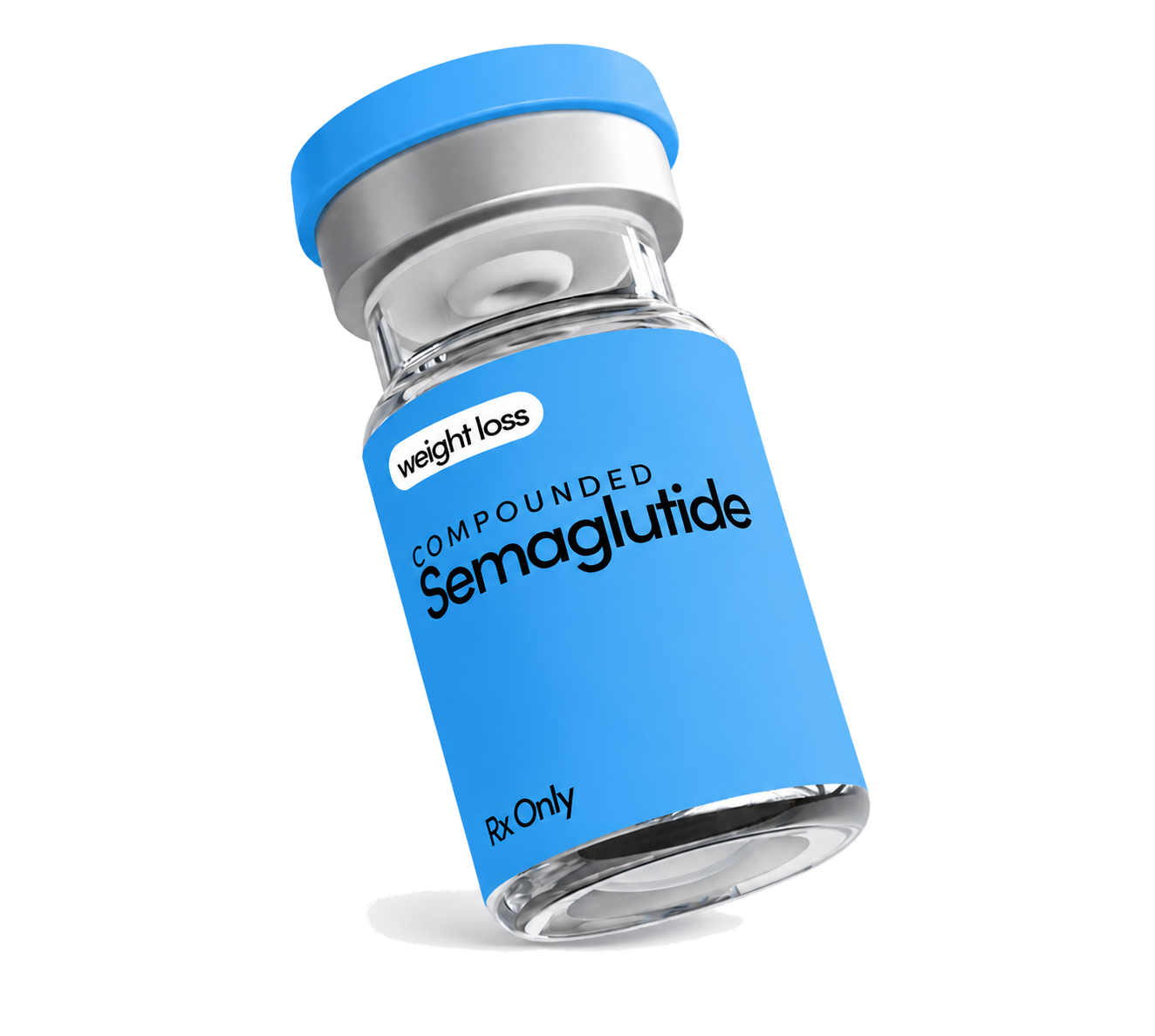
from$99/mo
SemaglutideRx
GLP-1 Receptor Agonist
SemaglutideRx
GLP-1 Receptor Agonist
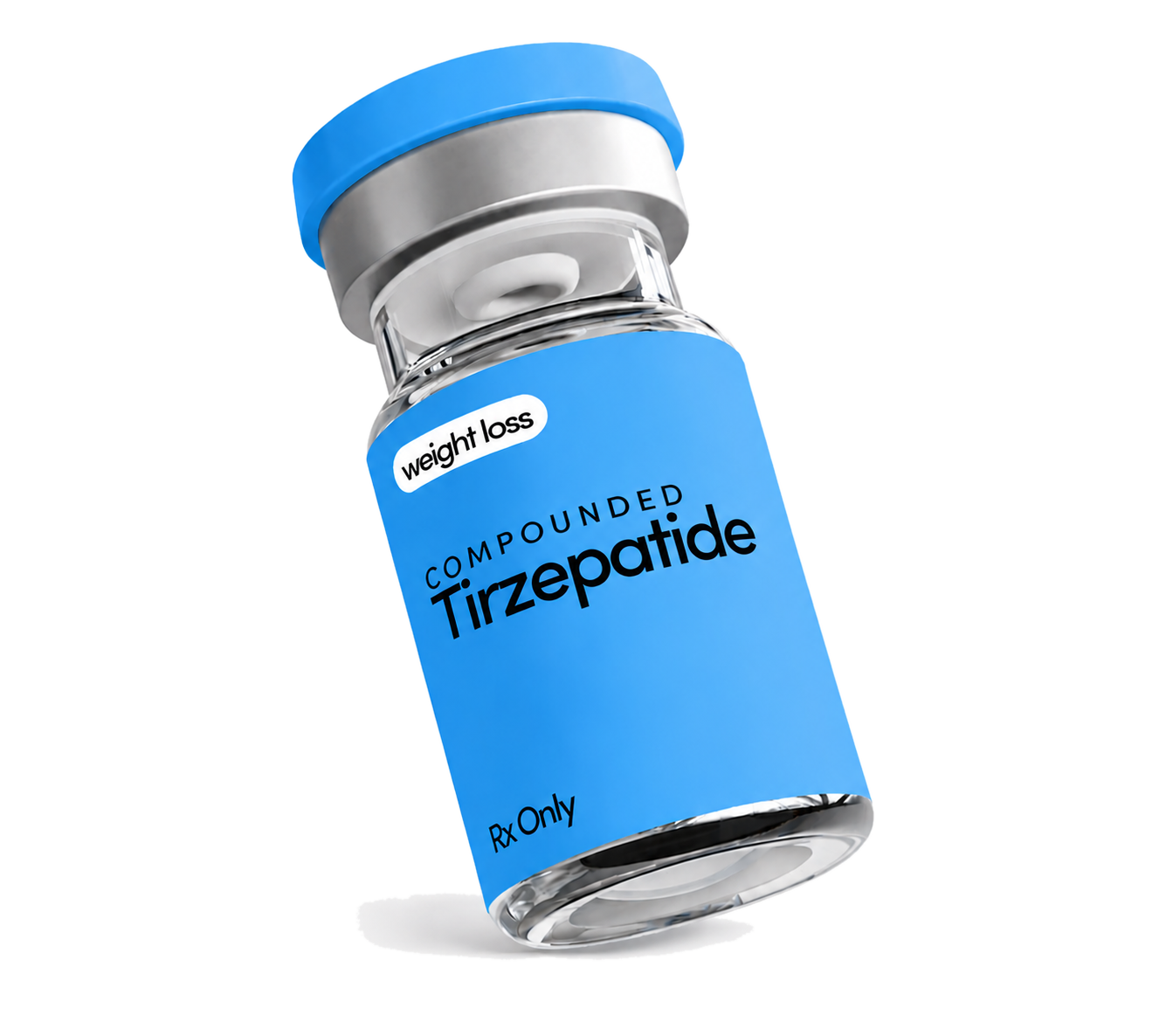
TirzepatideRx
Dual GLP-1 + GIP Receptor Agonist
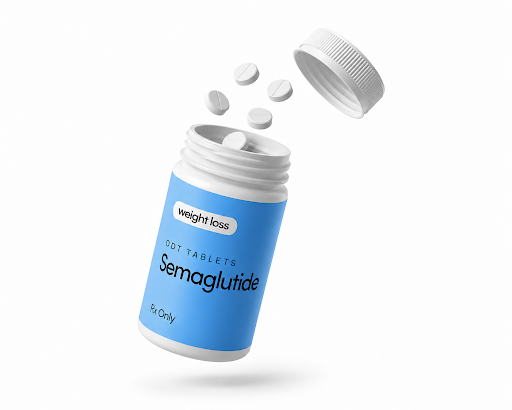
Semaglutide ODT PillsRx
GLP-1 Receptor Agonist - Oral Dissolving Tablet
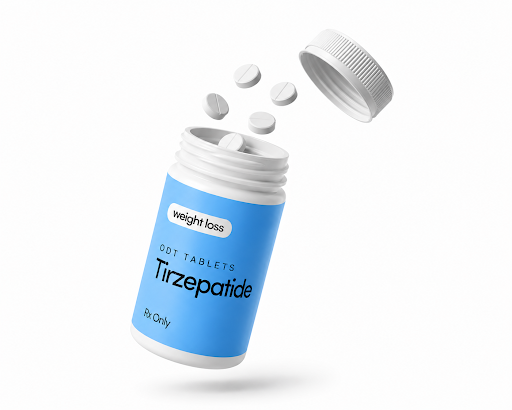
Tirzepatide ODT PillsRx
Dual GLP-1 + GIP Receptor Agonist - Oral Dissolving Tablet
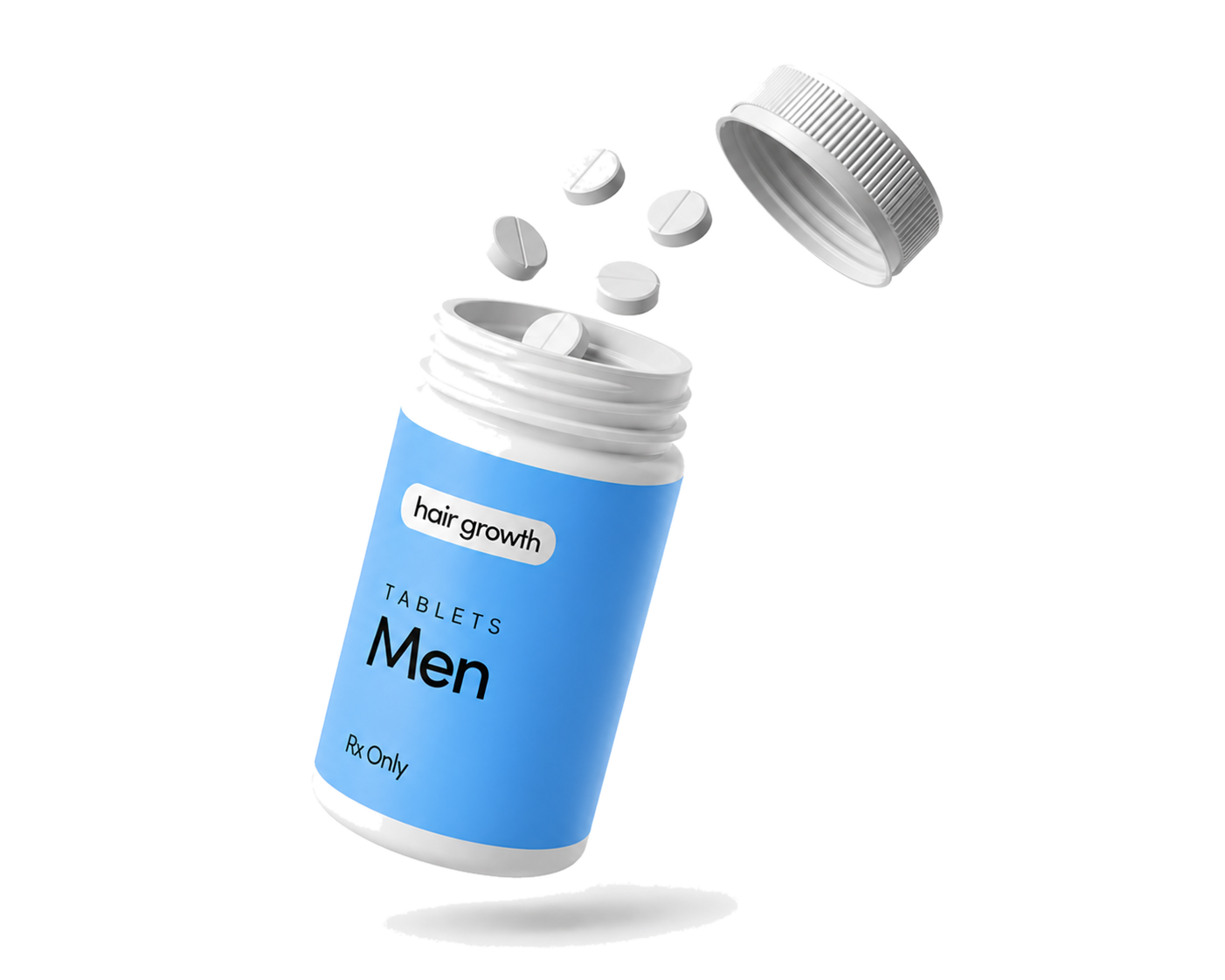
Men's Complete Hair Growth PillRx
Minoxidil, Finasteride, Biotin
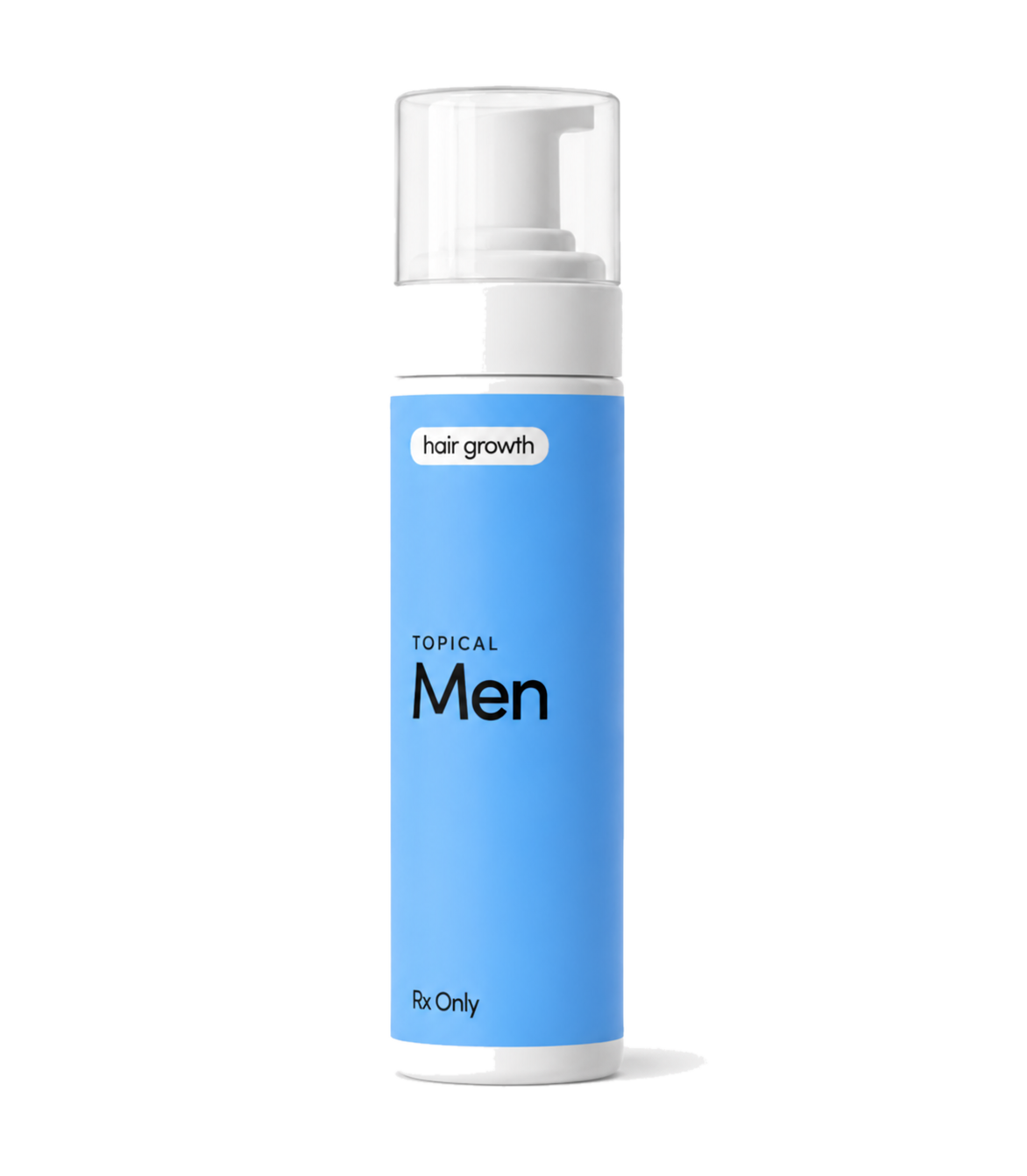
Men's Advanced Hair SprayRx
Minoxidil, Finasteride, Fluocinolone, Tretinoin
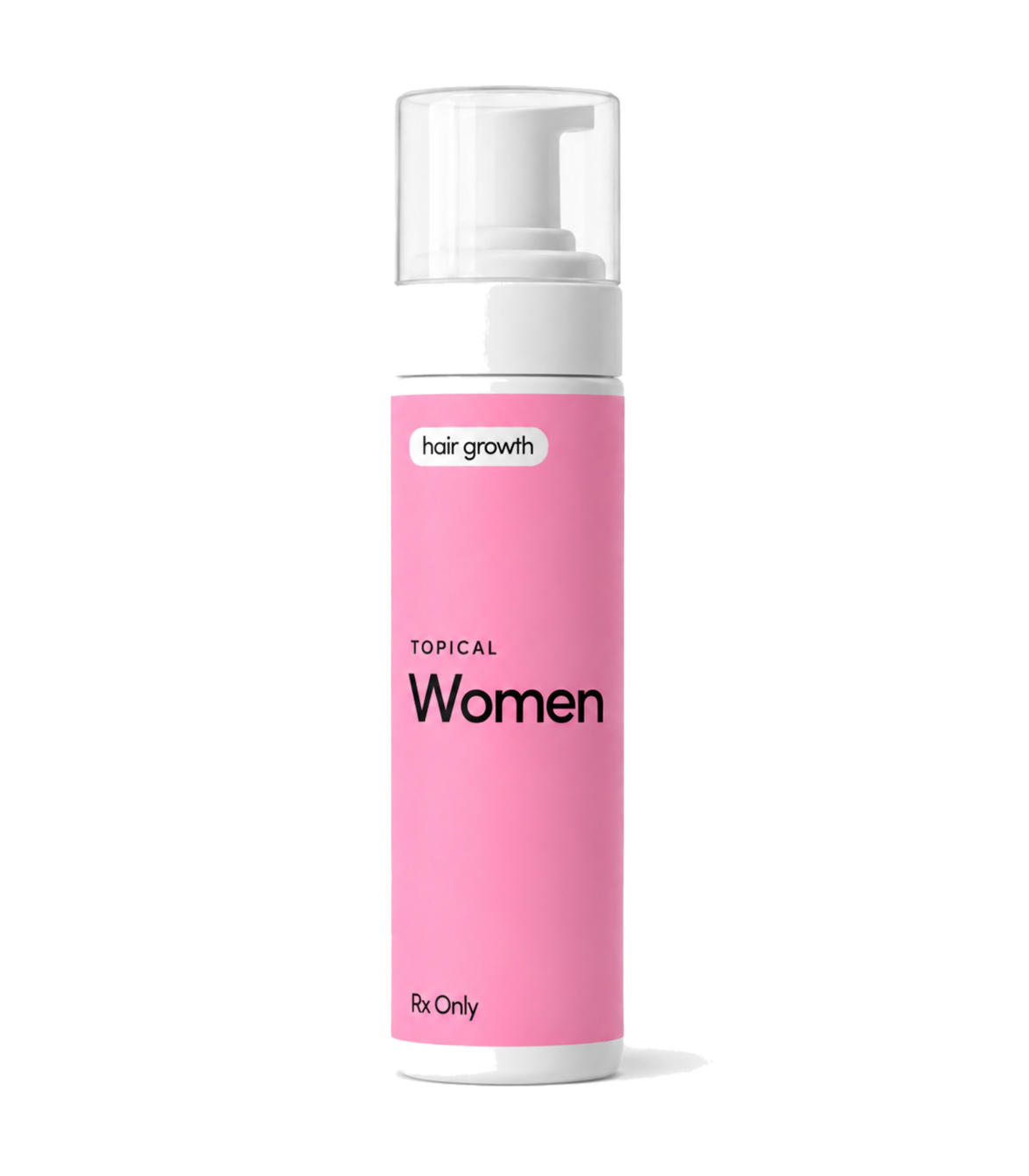
Women's Premium Hair SprayRx
Minoxidil, Tretinoin, Fluocinolone, Biotin, Melatonin
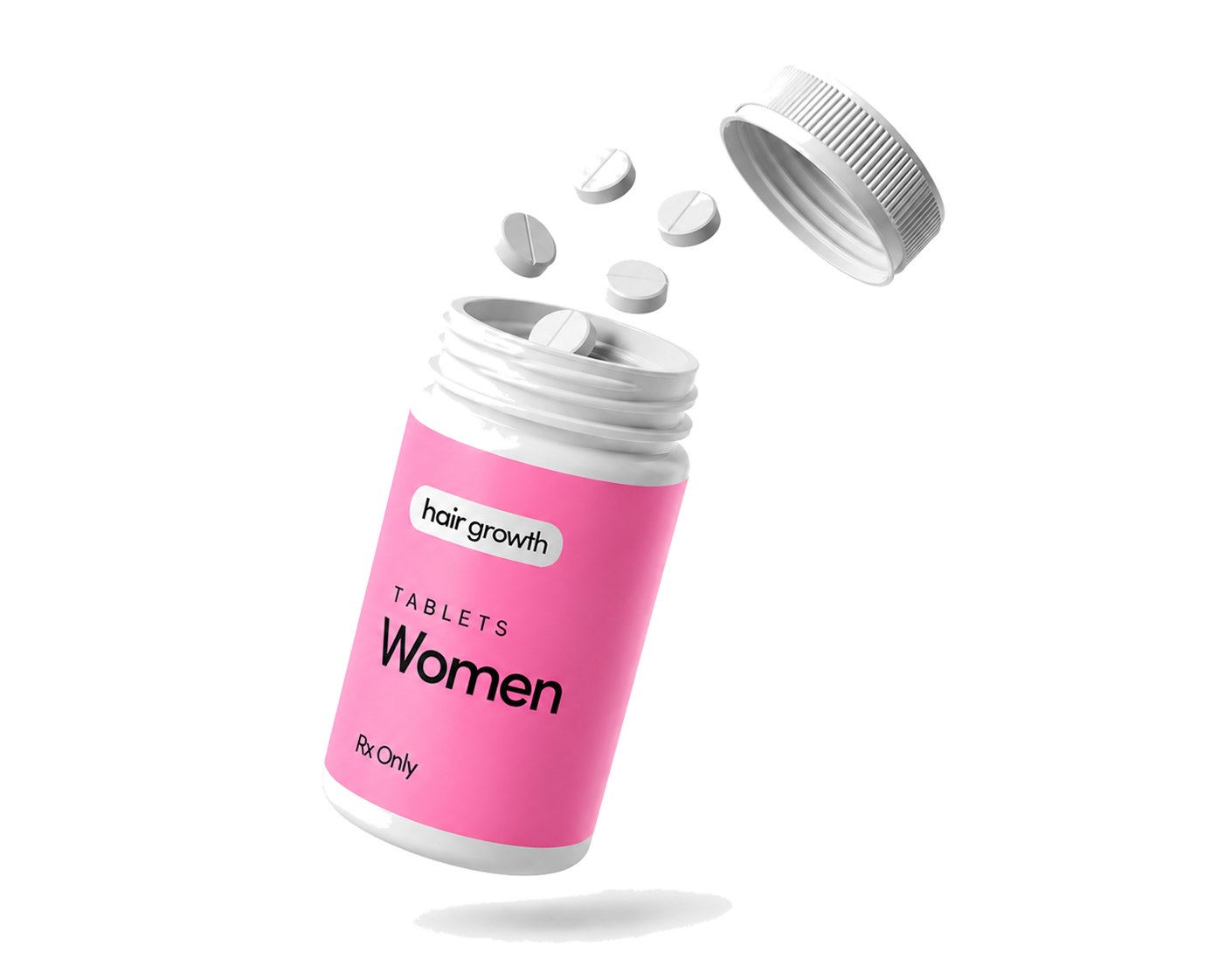
Women's Complete Hair Growth PillRx
Minoxidil, Vitamin E, Biotin
Written by Luma Meds Team
August 6, 2026 · 6 min read

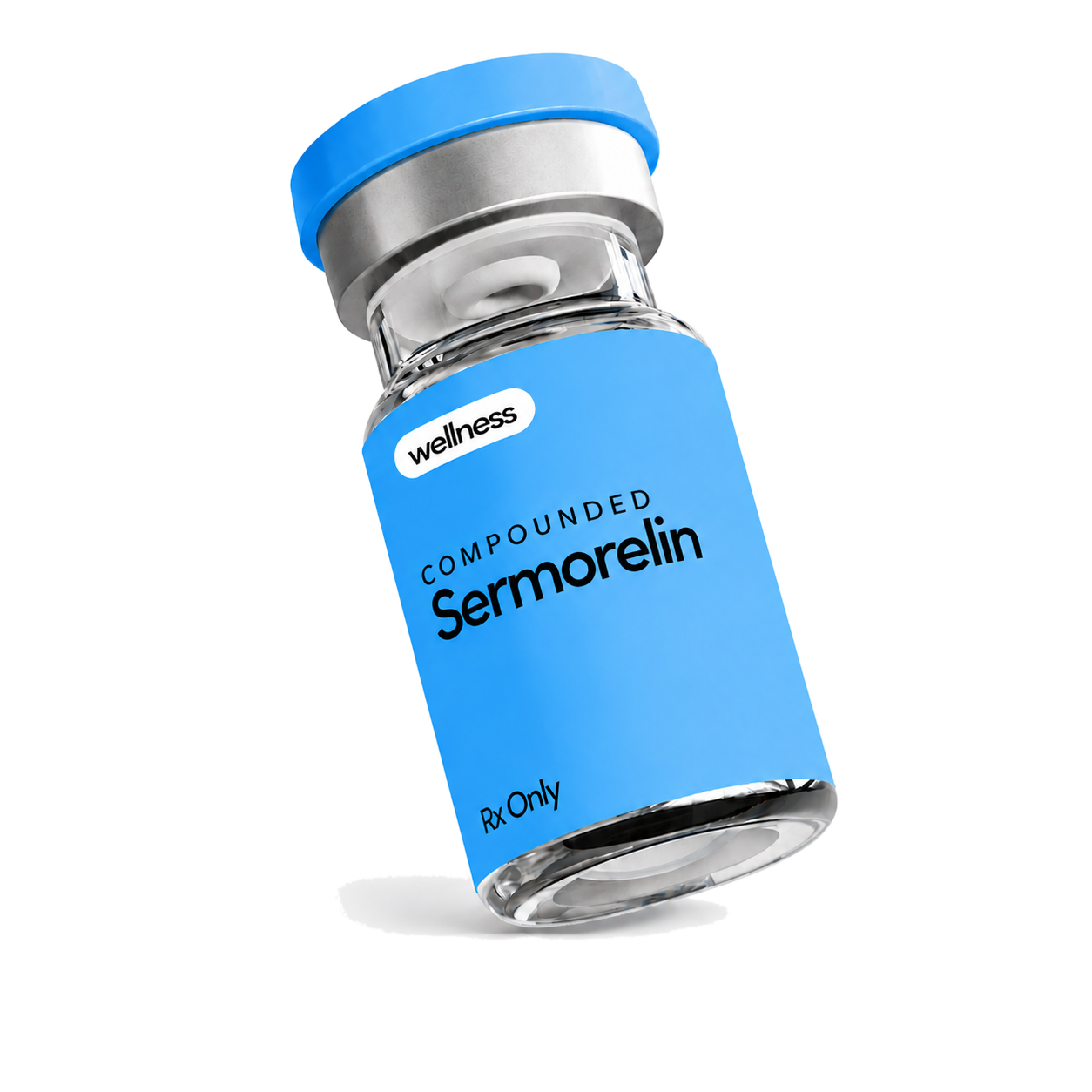
If you've been taking Sermorelin and decide to stop, you may wonder what happens next. Will your growth hormone suddenly crash? Will you lose your progress? Do you need to taper off?
In most cases, stopping Sermorelin means the additional stimulation of your growth hormone system gradually goes away and hormone levels move back toward their natural baseline.
Sermorelin doesn't permanently replace your body's growth hormone production. Instead, it signals your pituitary gland to release more of your own growth hormone. Here's what that means when treatment ends.
Sermorelin is a synthetic version of part of growth hormone-releasing hormone (GHRH) — a natural signal produced by the brain that tells the pituitary gland to release growth hormone. Sermorelin mimics that signal.
The pathway
The pathway
Sermorelin → Growth Hormone → IGF-1
Research has shown that GHRH treatment can increase growth hormone secretion and raise levels of insulin-like growth factor 1 (IGF-1). Once Sermorelin is discontinued, that additional GHRH stimulation is no longer being provided.
Generally, the treatment-related increase should move back toward your natural baseline after treatment is discontinued.
In a controlled study of GHRH treatment in older adults, IGF-1 levels increased substantially during treatment and returned to baseline after treatment ended.
That makes sense based on how Sermorelin works. It doesn't permanently change the pituitary gland to produce more growth hormone — it provides a signal encouraging additional GH release while treatment is being used. Once that signal is removed, your body's natural regulation of growth hormone takes over again.
Sermorelin works differently from taking growth hormone itself. Instead of supplying external growth hormone, Sermorelin stimulates the pituitary gland to release the body's own GH.
Because of this mechanism, stopping Sermorelin isn't generally expected to leave the body permanently unable to produce growth hormone. Rather, GH and IGF-1 activity would be expected to return toward the individual's underlying baseline.
Potentially, but not necessarily immediately.
If someone experienced changes during treatment, those effects may not disappear the moment the medication is stopped. However, without continued stimulation of the GH/IGF-1 pathway, some treatment-related changes may gradually diminish.
How much is maintained can depend on factors such as:
Lifestyle becomes particularly important for maintaining changes in muscle mass and body composition.
Daily Wellness
Complete a quick online visit and a licensed provider can help guide whether continuing, adjusting, or stopping Sermorelin makes sense for you.
Start your Sermorelin visitThere isn't a universal tapering schedule that applies to every patient. Whether Sermorelin should be stopped immediately or adjusted first depends on why it was prescribed, the treatment plan, and the individual patient.
Patients shouldn't create their own taper or change their dosing schedule without speaking with their healthcare provider. Your provider may also decide to reassess symptoms or laboratory values after treatment is discontinued.
Some people may not notice much of a difference. Others may notice that benefits they associated with treatment gradually become less noticeable.
Because symptoms such as energy, sleep quality, recovery, and body composition are influenced by many different factors, a change after stopping Sermorelin doesn't automatically mean growth hormone levels have become abnormally low.
If significant symptoms appear after discontinuation, they should be discussed with a healthcare provider rather than automatically restarting treatment.
Potentially, if a healthcare provider determines that treatment remains appropriate. Stopping Sermorelin doesn't necessarily mean it can never be used again.
However, the decision to restart should involve another evaluation of your health, treatment goals, response to previous therapy, and any relevant laboratory results.
When you stop Sermorelin, the additional stimulation of your growth hormone pathway stops as well. GH and IGF-1 activity would generally be expected to move back toward your natural baseline rather than remaining permanently elevated.
This doesn't mean that every change experienced during treatment disappears immediately. Body composition, strength, and other outcomes are also influenced by exercise, nutrition, sleep, age, and lifestyle.
Sermorelin stimulates your body's own growth hormone release rather than directly replacing growth hormone, so stopping it isn't generally expected to permanently shut down natural GH production.
At Luma Meds, eligible patients are evaluated by a licensed healthcare provider who can determine whether Sermorelin may be appropriate and help guide treatment changes or discontinuation based on individual needs.
This article is for educational purposes only and is not intended to provide medical advice, diagnosis, or treatment. Individual treatment decisions should be made with a licensed healthcare provider.
Share this article