GLP-1 Option
from$99/mo
SemaglutideRx
GLP-1 Receptor Agonist
SemaglutideRx
GLP-1 Receptor Agonist
TirzepatideRx
Dual GLP-1 + GIP Receptor Agonist

Semaglutide ODT PillsRx
GLP-1 Receptor Agonist - Oral Dissolving Tablet
Tirzepatide ODT PillsRx
Dual GLP-1 + GIP Receptor Agonist - Oral Dissolving Tablet

Men's Complete Hair Growth PillRx
Minoxidil, Finasteride, Biotin
Men's Advanced Hair SprayRx
Minoxidil, Finasteride, Fluocinolone, Tretinoin
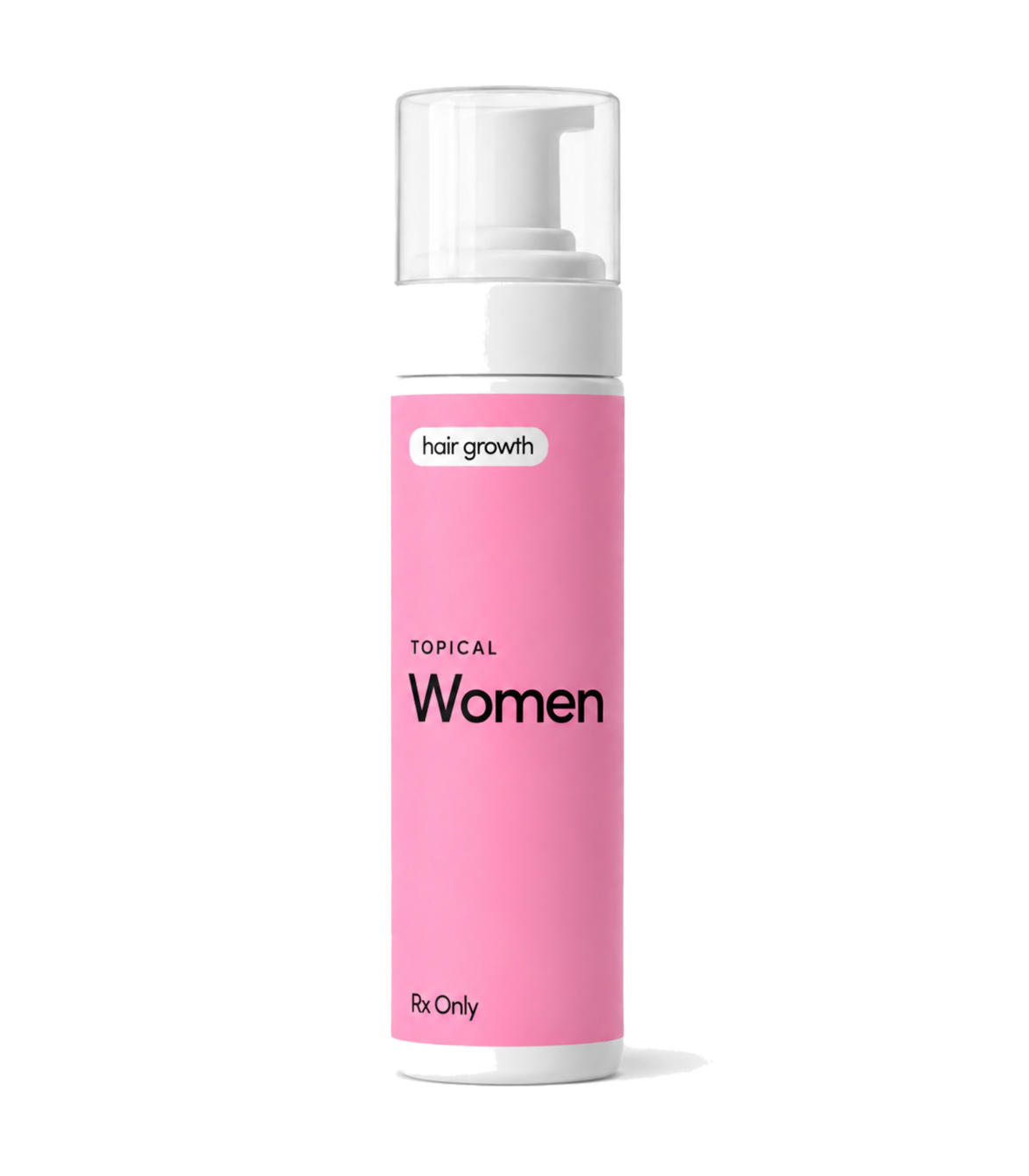
Women's Premium Hair SprayRx
Minoxidil, Tretinoin, Fluocinolone, Biotin, Melatonin
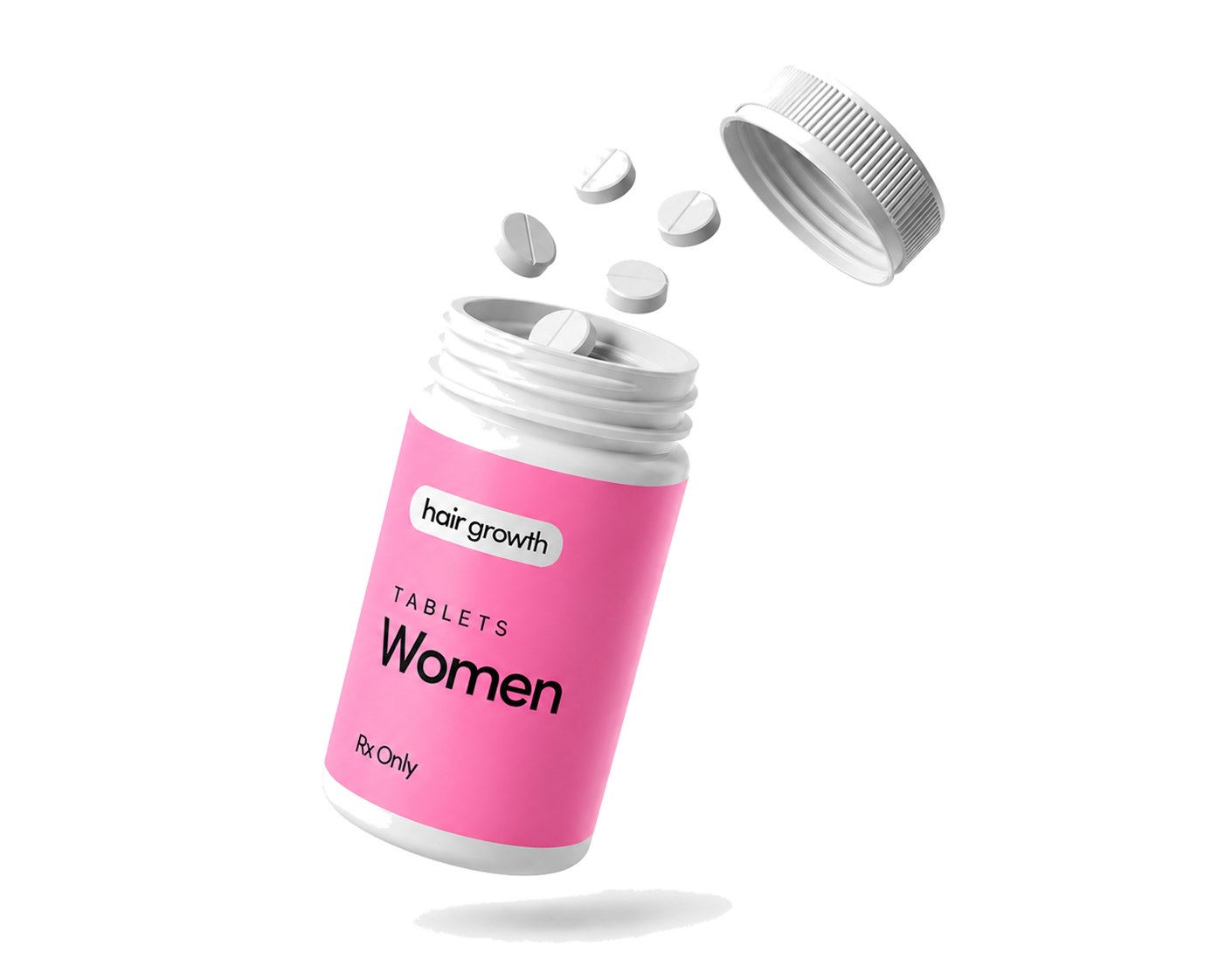
Women's Complete Hair Growth PillRx
Minoxidil, Vitamin E, Biotin
Written by Luma Meds Team
August 22, 2026 · 12 min read

You start a GLP-1 medication, lose weight, and a few months later notice something unexpected: more hair in the shower. Your brush collects more strands, your ponytail feels thinner, or you begin noticing more scalp than before.
Hair shedding has been reported during treatment with GLP-1-based weight-loss medications, including semaglutide and tirzepatide. But that does not necessarily mean the medication is directly damaging your hair follicles.
In many cases, the connection may involve the weight-loss process itself—particularly rapid weight loss, reduced food intake, nutritional changes, and a temporary form of shedding called telogen effluvium. Here is what may be happening.
Hair loss has been reported in clinical trials and real-world use of some GLP-1-based weight-management medications. However, the reason is not completely understood.
Several possible contributors have been proposed:
Important distinction
Important distinction
Telogen effluvium is a common form of temporary, diffuse hair shedding. To understand it, it helps to understand the normal hair-growth cycle.
| Phase | What happens |
|---|---|
| Anagen | Active growth |
| Catagen | A brief transition |
| Telogen | Resting |
| Exogen | Shedding |
Most scalp hairs are normally in the growth phase. After a significant physical or physiological stressor, however, a larger-than-usual number of follicles can shift toward the resting phase. Those hairs are eventually shed, producing a noticeable increase in hair falling out across the scalp.
When someone experiences substantial weight loss—particularly over a relatively short period—the body may interpret that change as a physiological stressor. This phenomenon is not unique to GLP-1 medications.
Telogen effluvium has also been reported after:
Research involving patients with weight-loss-associated telogen effluvium has found that faster and more substantial weight loss can accompany the onset of shedding. The relevant factor may sometimes be how quickly the body is changing, rather than a direct toxic effect of a medication on the hair.
Telogen effluvium usually has a delay between the trigger and visible hair loss. After a follicle shifts out of active growth, the hair does not immediately fall out; it spends time in the resting phase first.
The delayed pattern
The delayed pattern
This delay can make it seem as though hair loss appeared randomly even when the trigger occurred months earlier.
Telogen effluvium usually produces diffuse shedding. Instead of one isolated bald spot, someone may notice increased hair loss throughout the scalp.
This differs from some other types of hair loss that produce distinctive patterns or isolated patches.
Potentially. GLP-1 medications can significantly reduce appetite. That is part of their intended effect for weight management, but it can sometimes lead people to unintentionally eat very little.
Hair is not essential for immediate survival. When energy or nutrient intake becomes inadequate, the body may prioritize more essential biological functions. The goal of treatment is not to stop eating; it is to make appropriate portions and sustainable calorie reduction easier to maintain.
Hair is primarily composed of a protein called keratin. When food intake falls substantially, protein intake may fall too—especially when someone feels full after only a small portion. Adequate protein supports muscle preservation, tissue repair, normal body functions, and hair structure and growth.
More protein does not automatically stop shedding, but adequate nutrition is an important part of evaluating hair loss during significant weight reduction.
Ferritin stores iron and is commonly measured when evaluating iron reserves. Low ferritin has been associated with some forms of diffuse hair shedding, and iron stores can become depleted before obvious anemia develops.
A healthcare provider may consider iron status when clinically appropriate. Iron supplements should not be started automatically just because hair is shedding; too much iron can also be harmful.
Depending on a person's diet, symptoms, and medical history, clinicians may consider protein, iron, vitamin B12, vitamin D, zinc, or folate. The goal is to identify and correct an actual deficiency—not to take high doses of nutrients blindly.
This remains an area of active research. Hair-loss signals have appeared in trials, observational studies, and safety-report analyses involving GLP-1-based medications, but determining cause and effect is complicated.
Medication exposure, substantial weight loss, lower calorie intake, nutritional changes, and physiological stress can all occur at the same time. A 2026 systematic review found emerging associations involving semaglutide and tirzepatide, while emphasizing that stronger prospective studies are still needed to clarify why hair loss occurs and how much is attributable to the medication itself.
It would therefore be too simplistic to say that GLP-1 medications directly kill hair follicles. Current evidence does not establish that claim.
Rapid weight loss may increase the likelihood of telogen effluvium in susceptible individuals. A 2024 retrospective study of patients diagnosed with weight-loss-associated telogen effluvium reported average weight reduction of about 15% and an average loss rate of roughly 3.5 kilograms per month.
Those averages are not thresholds, and losing that amount does not mean someone will develop hair loss. They reinforce the broader association between significant weight reduction and temporary shedding. Faster is not always better; preserving nutrition and lean body mass matters too.
No. Hair shedding is not a treatment goal or a marker of effectiveness. Someone can have excellent weight-loss results without noticeable shedding, just as severe nausea does not mean a medication is working better.
When shedding is caused by telogen effluvium and the underlying trigger resolves, hair growth often resumes. Recovery is slow: even after excessive shedding decreases, follicles need time to return to active growth and produce hairs long enough to improve visible density.
What recovery can look like
What recovery can look like
Not automatically. Stopping treatment without understanding the cause may not address rapid weight loss, inadequate protein intake, low iron stores, thyroid disease, or another hair-loss condition.
Discuss the shedding with your healthcare provider, who may review:
The treatment plan can then be adjusted when appropriate.
Physician-guided weight loss
Eligible patients can discuss treatment progress, side effects, nutrition concerns, and available options with a licensed healthcare provider.
Start your online visitThere is no guaranteed way to prevent weight-loss-related shedding, but several fundamentals deserve attention.
When appetite decreases, prioritize nutrient-dense foods and adequate protein rather than simply trying to eat as little as possible.
A GLP-1 medication may make it possible to tolerate extremely small amounts of food. That does not mean doing so is nutritionally appropriate.
Adequate fluid intake supports overall health and is especially important when gastrointestinal symptoms reduce food or fluid intake.
If testing identifies iron or another deficiency, your healthcare provider can recommend an appropriate plan.
During active shedding, aggressive bleaching, excessive heat, and tight hairstyles may make the cosmetic impact more noticeable.
Minoxidil is an established treatment for several common forms of hair loss, but whether it is appropriate depends on why the hair is thinning. Someone with pure telogen effluvium may have different considerations than someone who also has androgenetic alopecia.
There are not yet controlled treatment trials showing that minoxidil specifically treats GLP-1-associated shedding. A healthcare provider or dermatologist can help determine whether it is appropriate for the underlying diagnosis.
Yes. Not every case of hair loss during GLP-1 treatment is caused by weight loss. Other possibilities include:
Rapid shedding can make existing thinning easier to notice. Diffuse shedding may suggest telogen effluvium, while progressive thinning in characteristic areas may point toward androgenetic alopecia. The two can also occur together.
Consider discussing hair loss with a healthcare provider if:
These findings can suggest that something more than ordinary weight-loss-associated shedding may be happening.
There is no universal timeline. If telogen effluvium is responsible, shedding usually does not stop immediately after the trigger improves. It may continue for several months before slowing, while restoring visible density takes longer because scalp hair grows gradually.
Identifying ongoing triggers matters. If someone continues losing weight extremely rapidly or remains nutritionally deficient, the stress affecting the hair cycle may continue.
A successful weight-management plan should not focus exclusively on how quickly the scale moves. It should also consider protein intake, muscle preservation, hydration, micronutrients, physical activity, and overall health. The goal is sustainable weight reduction—not nutritional deprivation.
Hair loss during GLP-1 treatment can happen, but it does not necessarily mean the medication is directly damaging your hair. For many people, increased shedding may be related to physiological changes accompanying significant weight loss.
One possible pathway
One possible pathway
Reduced protein intake, low iron stores, other deficiencies, thyroid problems, and underlying pattern hair loss can also contribute. If you are experiencing significant shedding, evaluate the whole picture with a healthcare provider—including the speed of weight loss, nutrition, medical history, and pattern of hair loss.
Luma Meds
Complete a short online intake. If eligible, a licensed healthcare provider can evaluate your history and determine whether prescription treatment is appropriate.
See if you qualifyThis article is for educational purposes only and is not intended to provide medical advice, diagnosis, or treatment. Individual treatment decisions should be made with a licensed healthcare provider.
Share this article