Best Value
from$99/mo
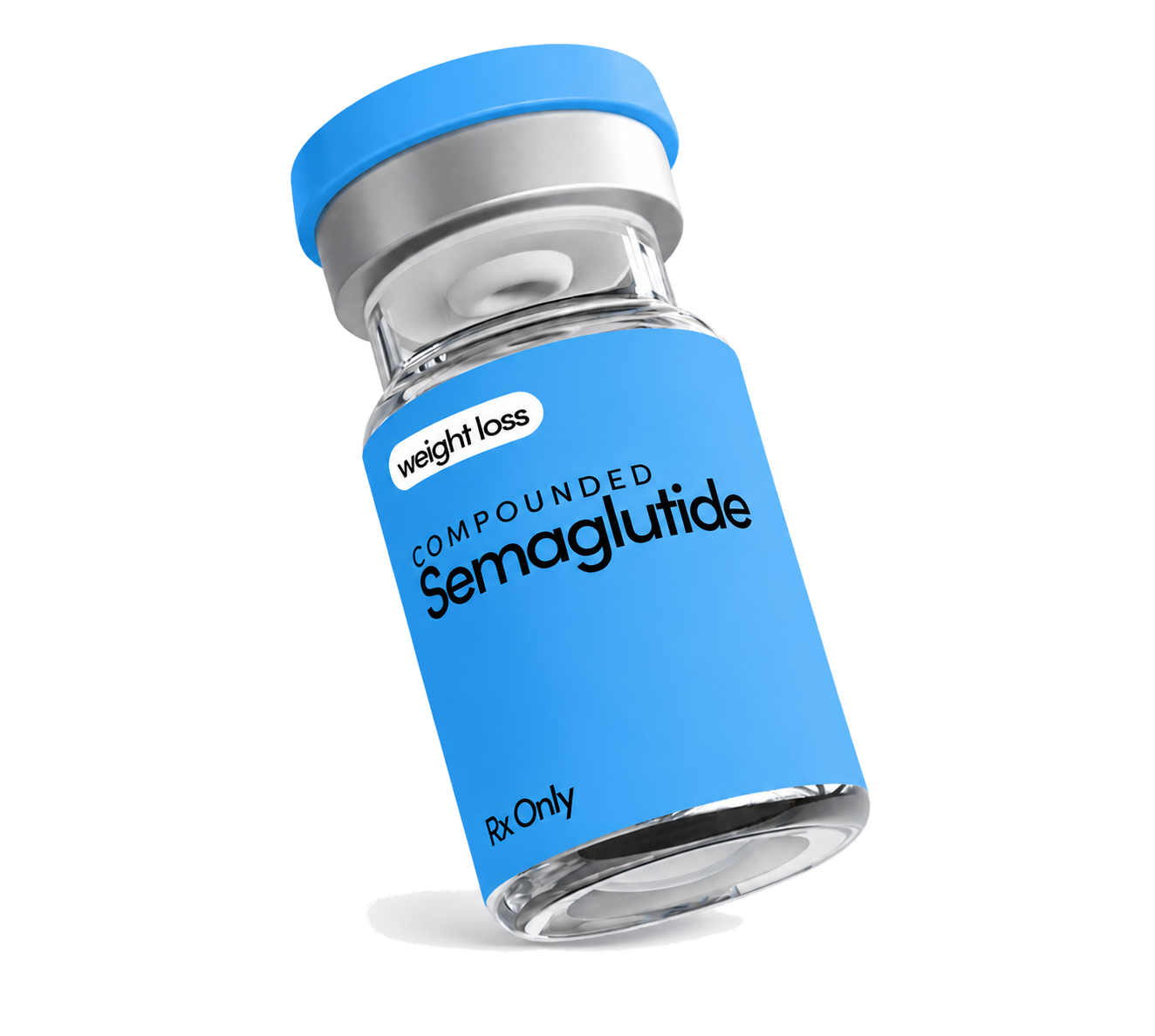
SemaglutideRx
GLP-1 Receptor Agonist
SemaglutideRx
GLP-1 Receptor Agonist
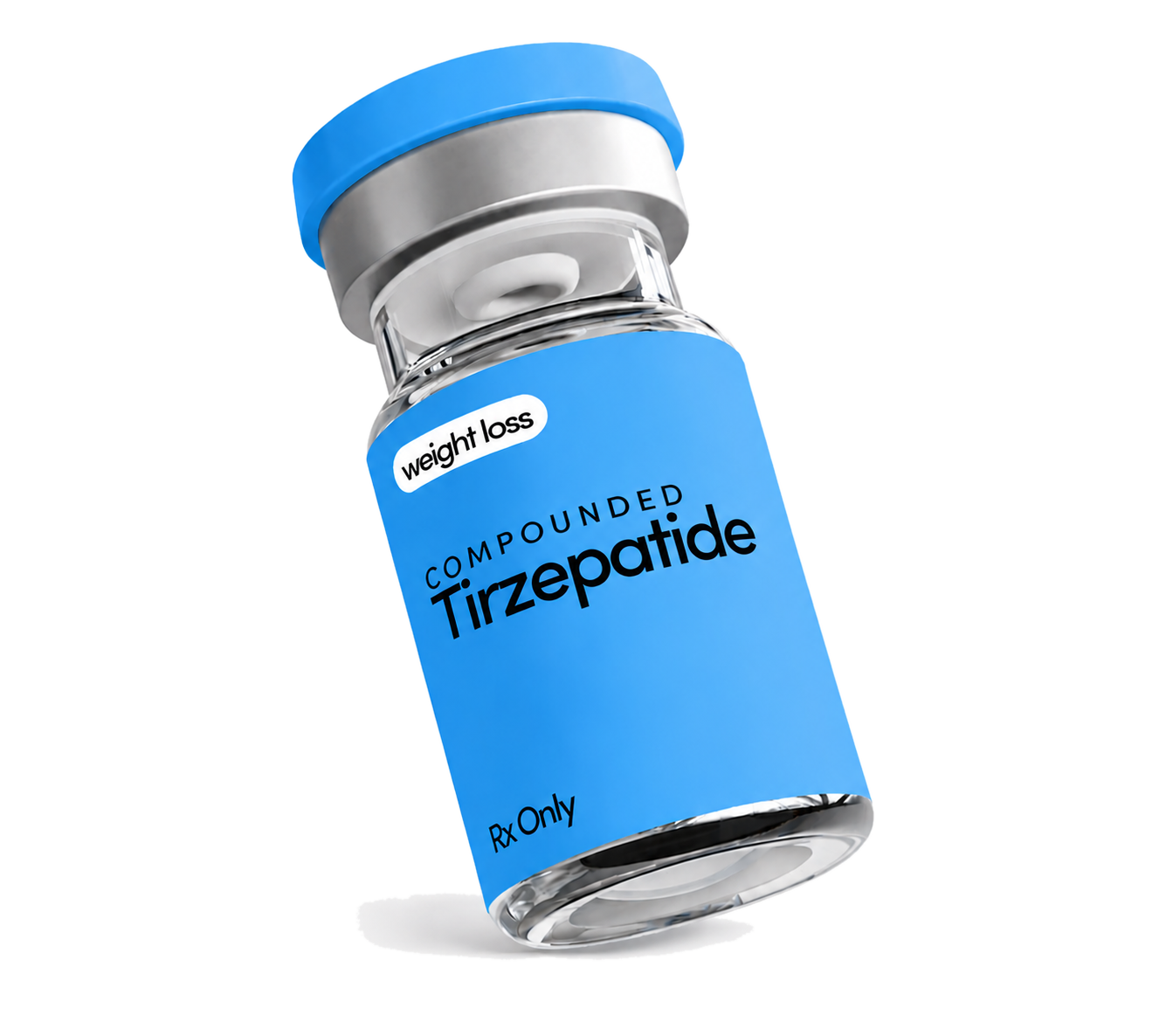
TirzepatideRx
Dual GLP-1 + GIP Receptor Agonist
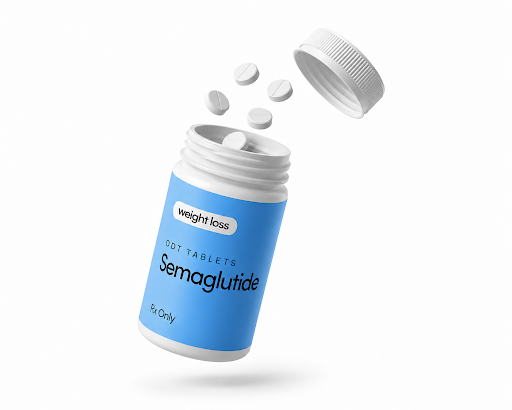
Semaglutide ODT PillsRx
GLP-1 Receptor Agonist - Oral Dissolving Tablet
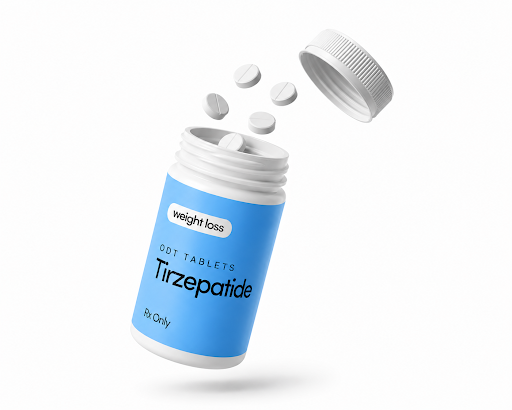
Tirzepatide ODT PillsRx
Dual GLP-1 + GIP Receptor Agonist - Oral Dissolving Tablet
Men's Complete Hair Growth PillRx
Minoxidil, Finasteride, Biotin

Men's Advanced Hair SprayRx
Minoxidil, Finasteride, Fluocinolone, Tretinoin

Women's Premium Hair SprayRx
Minoxidil, Tretinoin, Fluocinolone, Biotin, Melatonin
Women's Complete Hair Growth PillRx
Minoxidil, Vitamin E, Biotin
Written by Luma Meds Team
August 1, 2026 · 9 min read

GLP-1 medications are often associated with weekly injections.
For some people, that's no big deal. For others, the idea of using a needle—even a very small one—can be enough to make them hesitant about starting treatment.
The growing availability of oral GLP-1 options gives some patients another treatment format to discuss with their healthcare provider.
So if you don't like needles, is a GLP-1 pill the better choice?
It can be for some patients. But avoiding injections is only one part of the decision. Convenience, dosing routine, formulation, treatment goals, side effects, and individual response all matter.
Not everyone is comfortable giving themselves an injection.
Some people experience mild hesitation, while others have significant anxiety around needles or simply don't want injections to become part of their routine.
Research suggests that route of administration can meaningfully influence how patients feel about weight-loss medications.
In a 2026 study examining patient preferences for obesity medications, approximately one in four participants said they were unwilling to use a once-weekly injectable treatment.
When researchers presented oral and injectable options with equivalent weight-loss results and side effects, a once-daily pill was significantly preferred over a once-weekly injection.
That doesn't mean everyone prefers pills. It shows that how a medication is taken can matter when choosing a treatment someone feels comfortable continuing.
An oral GLP-1 is a medication taken by mouth rather than administered through an injection.
Semaglutide is one example of a GLP-1 receptor agonist that has been developed in both injectable and oral forms.
GLP-1 medications influence pathways involved in:
The underlying goal of treatment doesn't change simply because the medication is taken orally.
However, oral and injectable formulations can differ substantially in how the medication reaches the bloodstream.
Many GLP-1 medications are peptides.
Peptides can be difficult to deliver orally because the digestive system naturally breaks them down, and relatively little medication may reach the bloodstream.
That's why developing an effective oral GLP-1 involves more than simply putting the same medication from an injection into a tablet.
Formulation and absorption matter.
For example, commercially manufactured oral semaglutide uses an absorption-enhancing ingredient called SNAC to help semaglutide cross the stomach lining.
Compounded oral GLP-1 formulations may use different dosage forms and formulations depending on the prescription and pharmacy.
Patients shouldn't assume that every oral GLP-1 formulation is absorbed or dosed in exactly the same way.
For a needle-averse patient, the most obvious benefit is straightforward.
You don't have to give yourself a shot.
That can remove one of the psychological barriers that prevents some people from considering GLP-1 treatment.
An oral option may be particularly appealing to someone who:
Treatment that someone feels comfortable actually using can be more practical than a treatment they continually avoid.
Not necessarily.
This is where the decision becomes more personal.
Many injectable GLP-1 medications are administered once per week.
An oral medication may need to be taken every day, sometimes with specific instructions regarding food, water, or timing.
Research examining patient preferences illustrates this tradeoff.
In one study, 76.5% of participants initially preferred a once-daily oral medication over a once-weekly injection.
But after participants were shown the actual administration requirements for each treatment, preference became almost evenly divided: 52.5% preferred the oral option and 47.5% preferred the weekly injection.
The administration routine changed how people viewed convenience.
So “pill versus injection” isn't quite the same as “easy versus difficult.”
For some people, taking a pill every morning is effortless. For others, remembering a once-weekly injection may actually be simpler.
Choosing a pill doesn't eliminate the need to follow the treatment instructions carefully.
Depending on the medication or formulation, oral GLP-1 treatment may involve specific directions about:
These instructions can matter because oral semaglutide absorption can be affected by administration conditions.
Research on commercially developed oral semaglutide has found that fasting time and water volume can influence how much semaglutide reaches the bloodstream.
For someone who already has a consistent morning routine, that may not be difficult.
For someone with an unpredictable schedule, a weekly injection could potentially be easier.
This depends on which medications and formulations are being compared.
You shouldn't assume that an oral and injectable GLP-1 will produce identical results simply because they contain the same active medication.
Dose, formulation, absorption, and systemic exposure can differ.
Clinical research has demonstrated that oral semaglutide can produce meaningful metabolic and weight-related effects. In the PIONEER clinical trial program, oral semaglutide improved blood sugar control and reduced body weight in people with type 2 diabetes.
However, those findings apply to the specific oral semaglutide formulation studied.
Individual compounded oral formulations may differ and shouldn't automatically be assumed to have identical absorption or clinical outcomes.
This is why treatment decisions should focus on the specific medication and formulation being prescribed, rather than simply choosing “pill” or “shot.”
Not necessarily.
Taking a GLP-1 by mouth doesn't automatically eliminate the gastrointestinal effects associated with this medication class.
Possible effects can still include:
Side effects often become more noticeable when treatment begins or the dose increases.
Whether someone tolerates a medication well depends on many factors beyond whether it is swallowed or injected.
It's worth distinguishing between disliking needles and being unable or unwilling to use an injectable medication.
Modern GLP-1 injections are generally administered under the skin using a small needle or injection device.
Some patients who initially feel nervous about injections become comfortable with the process once they understand how the medication is administered.
Others still strongly prefer an oral option.
Neither preference is wrong.
If needles are the only reason you're avoiding a treatment that otherwise may be appropriate, discussing both administration methods with a healthcare provider can help you understand what each actually involves before making a decision.
An oral option may be worth discussing if:
The important point is that needle aversion can be a legitimate consideration when choosing treatment, but it shouldn't be the only consideration.
A weekly injectable medication may still be preferable for someone who:
Some people also simply find that one injection per week requires less thought than remembering another daily medication.
If you're deciding between an oral and injectable GLP-1, consider asking your healthcare provider:
The best treatment isn't necessarily the one that looks easiest at first glance.
It's the one that is clinically appropriate and realistic for you to follow consistently.
If needles are preventing you from considering GLP-1 treatment, an oral option may provide another pathway worth discussing with a healthcare provider.
Research suggests that administration method genuinely matters to patients, and some people strongly prefer oral treatment.
But a pill isn't automatically more convenient or more appropriate.
Oral GLP-1 medications may require daily dosing and specific administration routines, while many injectable options require only one dose per week. Formulation and absorption can also differ between oral products.
For needle-averse patients, the decision ultimately comes down to balancing comfort, convenience, clinical evidence, treatment goals, and the ability to follow the prescribed routine consistently.
At Luma Meds, eligible patients can discuss available oral and injectable weight-loss treatment options with a licensed healthcare provider to determine which approach may be appropriate for their individual needs and preferences.
Luma Meds Weight Loss
Prefer to skip injections? Luma Meds offers oral semaglutide and tirzepatide ODT tablets — compounded formulations that dissolve in your mouth and include ondansetron for nausea support. If a licensed provider determines treatment is appropriate, your prescription ships directly to your door.
Explore Oral GLP-1 + OndansetronNeedle-free GLP-1 options
Luma Meds offers provider-reviewed oral semaglutide and tirzepatide ODT programs — including formulations with ondansetron for nausea support. Complete a short online intake to see if oral treatment is right for you.
Start your online visitThis article is for educational purposes only and is not intended to provide medical advice, diagnosis, or treatment. Individual treatment decisions should be made with a licensed healthcare provider.
Share this article