GLP-1 Option
from$99/mo
SemaglutideRx
GLP-1 Receptor Agonist
SemaglutideRx
GLP-1 Receptor Agonist
TirzepatideRx
Dual GLP-1 + GIP Receptor Agonist
Semaglutide ODT PillsRx
GLP-1 Receptor Agonist - Oral Dissolving Tablet
Tirzepatide ODT PillsRx
Dual GLP-1 + GIP Receptor Agonist - Oral Dissolving Tablet
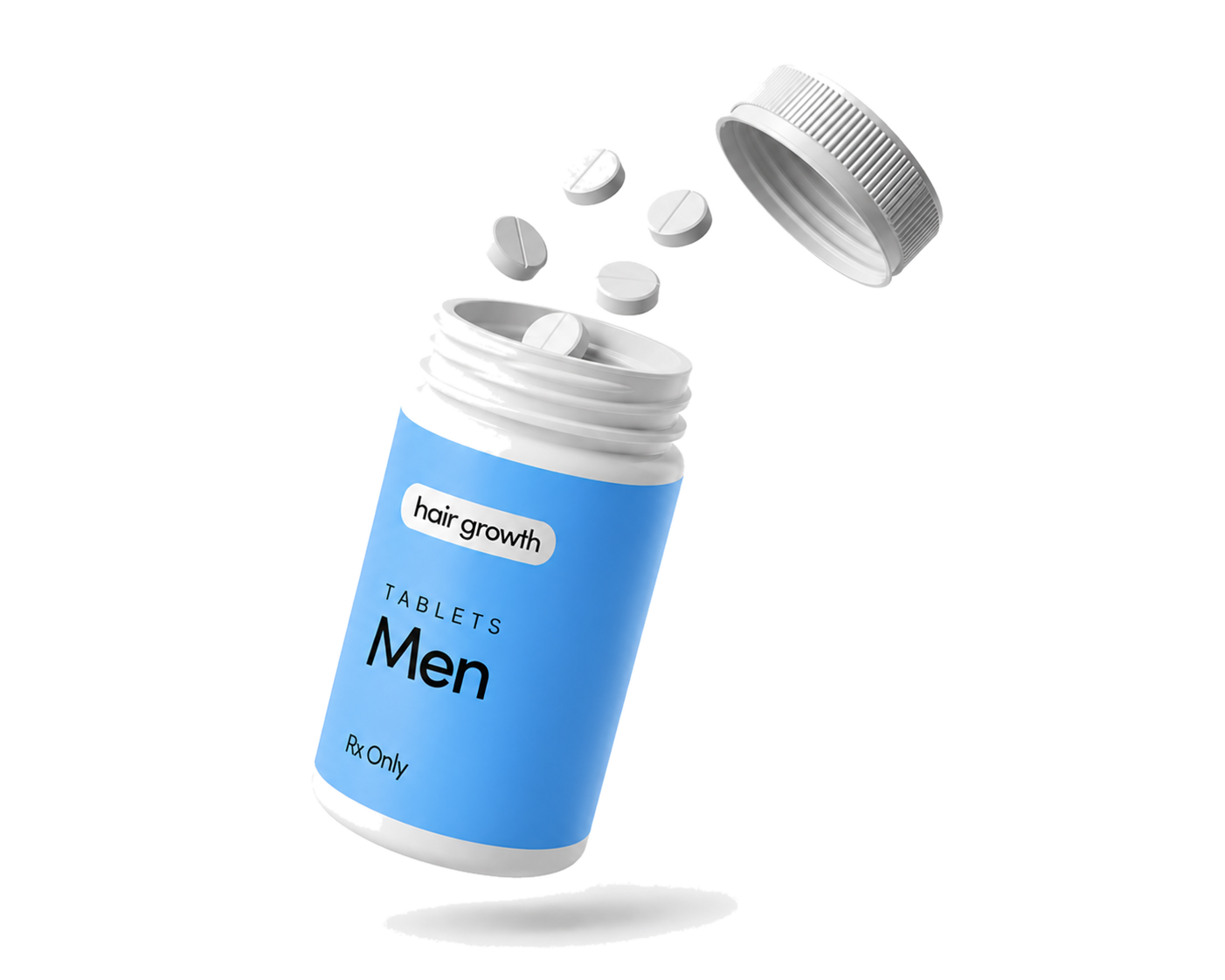
Men's Complete Hair Growth PillRx
Minoxidil, Finasteride, Biotin
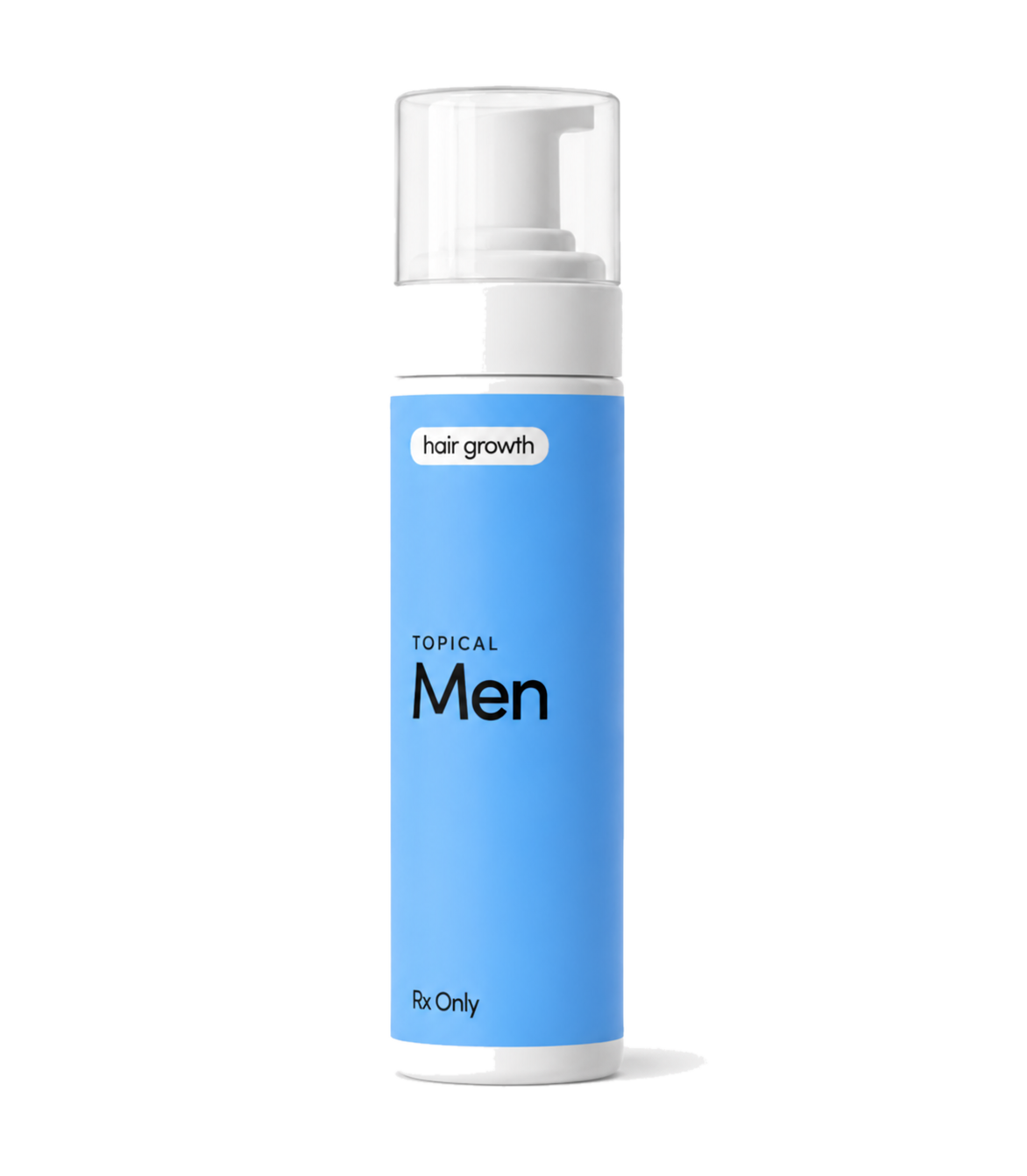
Men's Advanced Hair SprayRx
Minoxidil, Finasteride, Fluocinolone, Tretinoin
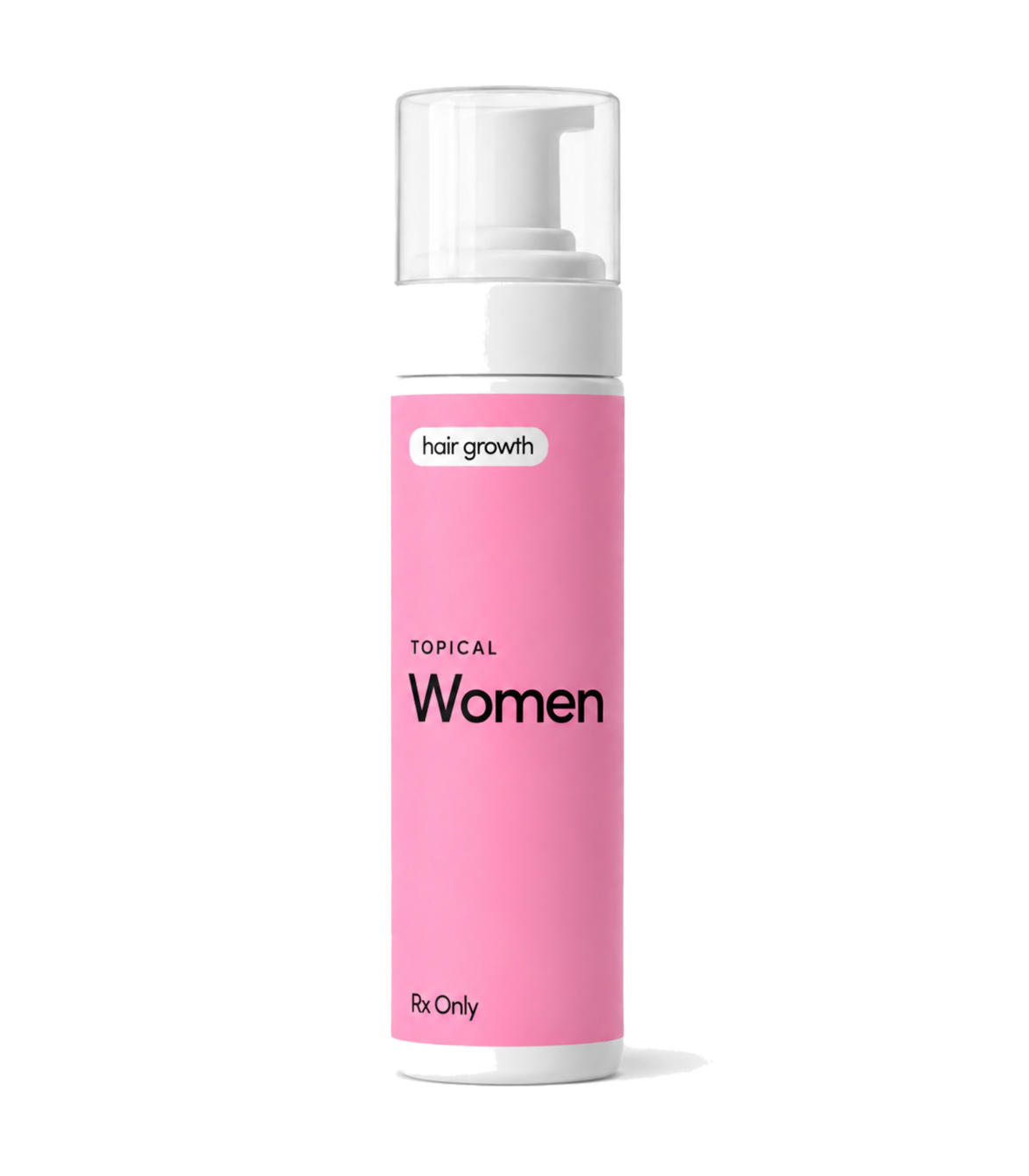
Women's Premium Hair SprayRx
Minoxidil, Tretinoin, Fluocinolone, Biotin, Melatonin
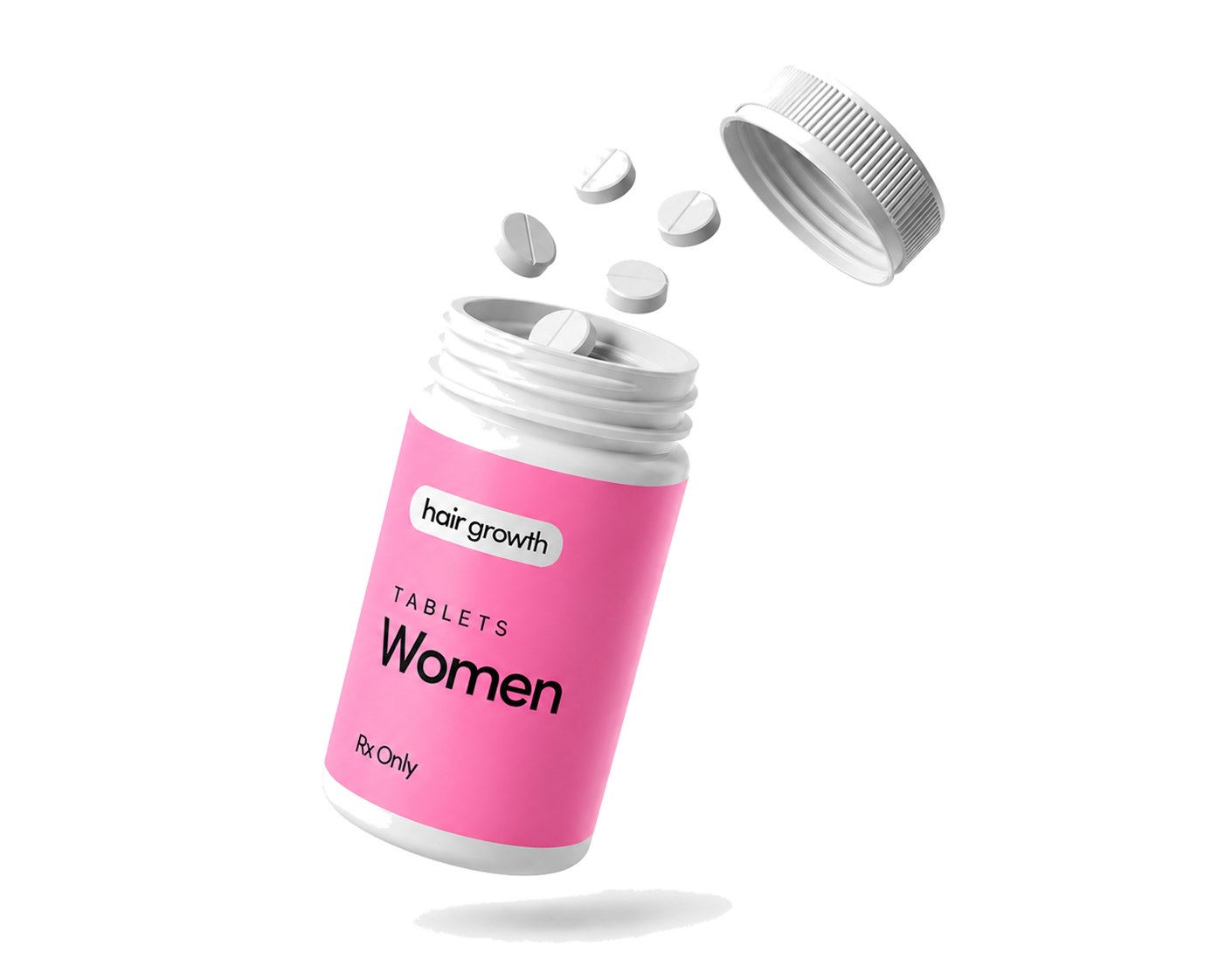
Women's Complete Hair Growth PillRx
Minoxidil, Vitamin E, Biotin
Written by Luma Meds Team
August 21, 2026 · 8 min read

No. Sermorelin is not a steroid.
Sermorelin is a peptide that acts similarly to growth hormone-releasing hormone (GHRH), a hormone your body naturally uses to signal the pituitary gland to release growth hormone. It doesn't belong to the same drug class as anabolic steroids such as testosterone.
The confusion usually comes from the fact that sermorelin, growth hormone, testosterone, and anabolic steroids are sometimes discussed in similar conversations about muscle, recovery, body composition, performance, and healthy aging. But biologically, they're very different. Here's how sermorelin actually works.
Sermorelin is a synthetic peptide consisting of 29 amino acids. It's based on a portion of naturally occurring growth hormone-releasing hormone. GHRH is produced in the hypothalamus and communicates with the pituitary gland. Its job is essentially to tell the pituitary: release growth hormone.
Sermorelin mimics this signaling. The basic pathway looks like this:
So sermorelin doesn't supply testosterone or an anabolic steroid. It stimulates part of the body's existing growth hormone pathway.
The word steroid describes a broad class of molecules with a characteristic chemical structure. Some steroids occur naturally in the body. These include hormones such as:
There are also medications based on steroid hormones. When people casually talk about “steroids” in a fitness or muscle-building context, they're usually referring to anabolic-androgenic steroids. These are testosterone or testosterone-like substances that activate androgen receptors and can increase muscle protein synthesis and muscle growth.
Sermorelin doesn't work that way.
The biggest difference is the biological pathway each one affects.
| Sermorelin | Anabolic steroids | |
|---|---|---|
| Type | Peptide | Steroid hormone or derivative |
| Main pathway | Growth hormone pathway | Androgen pathway |
| Primary target | Pituitary GHRH receptors | Androgen receptors |
| Directly provides testosterone? | No | Some are testosterone or related compounds |
| Stimulates GH release? | Yes | Not their primary mechanism |
| Increases IGF-1 indirectly? | Can | Not their primary mechanism |
They may occasionally be discussed for similar goals, but their mechanisms are fundamentally different.
No.
Sermorelin isn't testosterone and doesn't function as testosterone replacement therapy. Testosterone primarily acts through androgen receptors. Sermorelin primarily acts through GHRH receptors in the pituitary gland to stimulate growth hormone secretion. These are separate hormonal systems.
Someone using sermorelin shouldn't assume that their testosterone levels are increasing simply because they're using a hormone-related treatment.
Sermorelin isn't considered a testosterone-boosting treatment. The growth hormone/IGF-1 system can interact with many other hormonal pathways, but that doesn't mean stimulating growth hormone reliably increases testosterone.
Research examining growth hormone administration in healthy men has demonstrated increases in IGF-1 without necessarily producing significant increases in testosterone, luteinizing hormone, or follicle-stimulating hormone.
If low testosterone is the concern
If low testosterone is the concern
Testosterone should be evaluated directly with a licensed healthcare provider rather than assuming sermorelin will correct it.
No. This is another important distinction.
HGH, or human growth hormone, refers to growth hormone itself. Sermorelin works one step earlier in the pathway. Think of the difference like this:
That distinction is one of the defining characteristics of sermorelin. It relies on the pituitary gland's ability to respond to GHRH signaling.
Peptides are short chains of amino acids. Proteins are also made from amino acids, but peptides are generally smaller. Sermorelin contains a sequence corresponding to the first 29 amino acids of human GHRH, which are sufficient for its growth hormone-releasing activity.
That makes sermorelin a peptide medication, not a steroid. Its molecular structure and biological mechanism are completely different from those of steroid hormones.
Daily Wellness
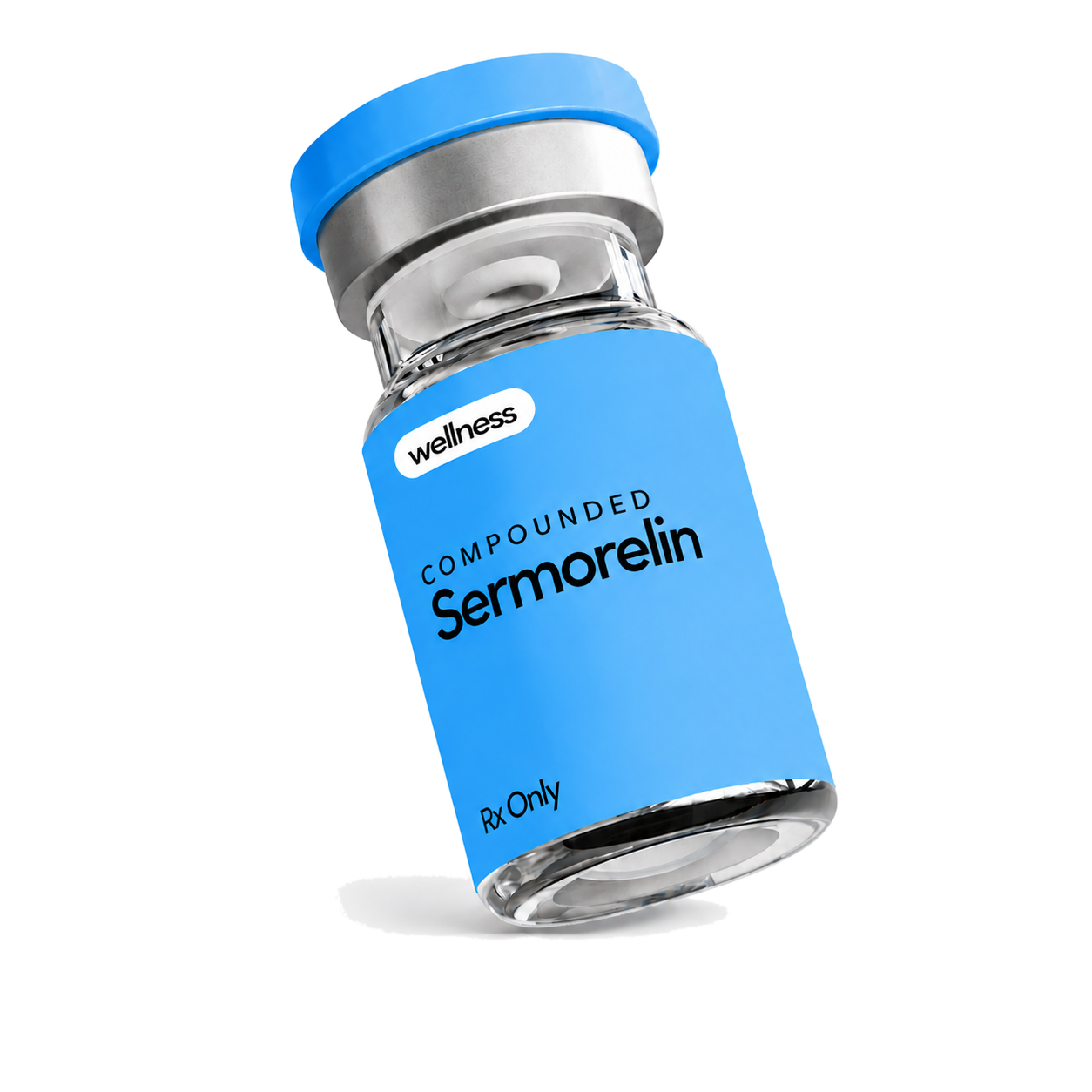
Complete a quick online visit and a licensed provider will review whether Sermorelin therapy is appropriate for you.
Start your Sermorelin visitSermorelin shouldn't be thought of as an anabolic steroid alternative. Growth hormone and IGF-1 are involved in:
Because sermorelin can stimulate growth hormone secretion, it's sometimes marketed around goals such as body composition, recovery, and healthy aging. But that doesn't mean it produces the same muscle-building effects as anabolic steroids.
Anabolic steroids directly activate androgen receptors and can substantially increase muscle protein synthesis. Sermorelin works indirectly through the growth hormone pathway. Those are different biological mechanisms and shouldn't be treated as interchangeable.
Potentially.
Growth hormone influences both fat and lean tissue metabolism. Research involving growth hormone-releasing hormone treatment in older adults has demonstrated increases in growth hormone and IGF-1 and, in some studies, changes in body composition. However, the response can vary considerably.
Sermorelin shouldn't be presented as a medication that automatically builds large amounts of muscle or rapidly burns body fat. Exercise, nutrition, sleep, age, hormone status, and overall health still play major roles in body composition.
There are several reasons. Sermorelin frequently appears in conversations involving:
Those topics overlap heavily with discussions about anabolic steroids. Sermorelin is also an injectable medication that affects a hormonal pathway, which can make it seem similar.
But being injectable or affecting hormones doesn't make something a steroid. Insulin is a hormone. Growth hormone is a hormone. Testosterone is a hormone. They're still very different molecules that act through different biological systems.
Sermorelin doesn't work like external testosterone or anabolic-androgenic steroids. External testosterone can suppress the body's hypothalamic-pituitary-gonadal signaling, which can reduce natural testosterone production and sperm production.
Sermorelin targets a different pathway. Its primary action involves stimulating the pituitary gland through the growth hormone-releasing hormone receptor. It isn't administered as a replacement for testosterone and isn't expected to suppress natural testosterone production through the same mechanism as testosterone therapy.
Sermorelin also differs from directly administering growth hormone. Instead of supplying growth hormone from outside the body, sermorelin stimulates the pituitary to release endogenous growth hormone.
Growth hormone secretion normally occurs in pulses, particularly during sleep. GHRH-based stimulation works through the body's existing regulatory system.
That doesn't mean sermorelin is free from side effects or that hormonal signaling can't change during treatment. It means its mechanism differs fundamentally from simply injecting growth hormone itself.
Sermorelin has been discussed in athletic and performance contexts because of its effects on growth hormone signaling. However, that doesn't make it an anabolic steroid.
For competitive athletes
For competitive athletes
Substances that affect growth hormone pathways may be prohibited by sporting organizations even if they aren't classified as anabolic steroids. Athletes subject to anti-doping rules should verify the rules that apply to their sport before using hormone-related or peptide treatments.
Being a peptide rather than a steroid doesn't mean sermorelin is automatically risk-free. Potential effects can include:
Individual response varies. Because sermorelin affects a hormonal pathway, treatment should be medically evaluated rather than approached like an ordinary fitness supplement.
Whether sermorelin is appropriate depends on the individual's health, treatment goals, medical history, and provider evaluation.
Someone shouldn't choose sermorelin simply because they want the effects associated with testosterone or anabolic steroids. Those treatments act through different pathways. A healthcare provider can help determine what someone is actually trying to address and whether an available treatment is appropriate.
The easiest way to understand the difference is to look at what each treatment actually does.
Stimulates the pituitary gland to release growth hormone.
Provides growth hormone directly.
Provides an androgen hormone that activates androgen receptors throughout the body.
They're all related to hormonal physiology, but they're not interchangeable treatments.
Sermorelin is not a steroid. It's a peptide that mimics part of the body's natural growth hormone-releasing hormone. Its primary pathway is:
Anabolic steroids work through a different system:
That's why sermorelin shouldn't be described as testosterone, an anabolic steroid, or simply another form of HGH. It works by encouraging the body to release its own growth hormone through the pituitary rather than directly supplying testosterone or growth hormone.
At Luma Meds, eligible patients can discuss their goals and available treatment options with a licensed healthcare provider to determine whether an available treatment may be appropriate for their individual needs.
Daily Wellness
A licensed provider reviews your online visit and, if appropriate, prescribes Sermorelin compounded by licensed U.S. pharmacies and shipped to your door.
Start your Sermorelin visitThis article is for educational purposes only and is not intended to provide medical advice, diagnosis, or treatment. Individual treatment decisions should be made with a licensed healthcare provider.
Share this article